

API Intermediates Supplier: Pharmaceutical Building Blocks for Drug Manufacturing.
API Intermediates Supplier .API intermediates are essential chemical compounds used during the multi-step synthesis of Active Pharmaceutical Ingredients (APIs). They serve as key building blocks that help pharmaceutical manufacturers produce medicines with consistent quality, purity, and performance.
The development of an API usually involves several chemical transformation steps. During these processes, intermediate compounds are created, isolated, purified, and converted into the final active ingredient. The quality of these intermediates directly influences the efficiency, reliability, and safety of pharmaceutical manufacturing.
Sophiechems provides information and sourcing support for pharmaceutical intermediates, chemical building blocks, and related laboratory materials used across pharmaceutical research and manufacturing industries.
Pharmaceutical Intermediates
What Are API Intermediates?
API intermediates are chemical substances produced before the final API stage in a pharmaceutical synthesis pathway. Unlike finished drug ingredients, intermediates are not the final therapeutic compounds but are critical steps in creating them. API Intermediates Supplier China
API intermediates can include:
– Organic chemical building blocks
– Heterocyclic compounds
– Aromatic intermediates
– Amino acid derivatives
– Chiral compounds
– Protected functional molecules
– Advanced synthesis intermediates
Pharmaceutical manufacturers select intermediates based on factors such as:
– Chemical structure requirements
– Reaction compatibility
– Purity specifications
– Manufacturing efficiency
– Regulatory expectations
Chemical Testing Methods
Chemical Testing Methods guide.
Importance of API Intermediates in Pharmaceutical Manufacturing
High-quality intermediates help pharmaceutical companies achieve reliable production processes. They support:
1. Efficient API Synthesis
Well-designed intermediates simplify chemical synthesis routes and allow manufacturers to produce complex pharmaceutical molecules through controlled steps. API Intermediates Supplier USA
2. Quality Control
Testing and characterization of intermediates help confirm:
– Chemical identity
– Purity levels
– Structural consistency
– Batch quality
Common analytical techniques include:
Major Types of API Intermediates
1. Antibiotic API Intermediates
Antibiotic intermediates are among the most important pharmaceutical building blocks. They are used in the production of beta-lactam and other antibacterial medicines.
Examples include:
– 6-Aminopenicillanic Acid (6-APA)
– 7-Aminocephalosporanic Acid (7-ACA)
– 7-Aminodeacetoxycephalosporanic Acid (7-ADCA)
– D-Phenylglycine
– D-p-Hydroxyphenylglycine
These intermediates support the manufacture of important antibiotic APIs.
Cephalosporin Intermediate
Cephalosporin intermediate
Cephalosporin intermediate category/page.
2. Heterocyclic API Intermediates
Heterocyclic compounds contain ring structures with elements such as nitrogen, oxygen, or sulfur. They are widely used in modern pharmaceutical chemistry.
Common categories include:
– Pyridine derivatives
– Imidazole derivatives
– Benzimidazole derivatives
– Pyrimidine derivatives
– Thiazole derivatives
– Indazole derivatives
– Triazole derivatives
These structures appear in many pharmaceutical molecules because they provide useful chemical properties and biological activity.
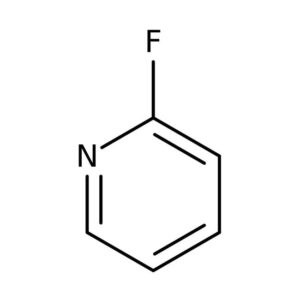
Pyridine Derivatives
Pyridine Derivatives category.
API Intermediate Quality and Testings
Quality assessment is an essential part of pharmaceutical intermediate manufacturing. Reliable analytical testing helps verify that materials meet required specifications. API Intermediates Supplier UK
Common testing methods include:
– HPLC purity testing
– GC analysis
– Mass spectrometry
– Nuclear magnetic resonance
– Water content analysis
– Residual solvent testing
– Elemental analysis
A complete documentation package includes
– Certificate of Analysis (COA)
– Safety Data Sheet (SDS)
– Product specifications
– Analytical reports
COA and SDS Documentation”
Why API Intermediates Matter for Pharmaceutical Supply Chains
A stable supply of pharmaceutical intermediates helps manufacturers maintain continuous production and develop efficient synthesis pathways.
Reliable intermediate sourcing supports:
– Pharmaceutical research
– Process development
– Scale-up manufacturing
– Quality management
– Global pharmaceutical production
As pharmaceutical technologies continue to develop, demand for specialized intermediates and advanced chemical building blocks continues to grow.
API Intermediate Categories, Applications, and Internal Linking Structure
3. Pyridine-Based API Intermediates
Pyridine derivatives are one of the most important classes of heterocyclic intermediates used in pharmaceutical chemistry. The pyridine ring appears in many pharmaceutical molecules because it can improve molecular stability, solubility, and biological activity. API Intermediates Supplier Germany
Common pyridine-based intermediates include:
2-Chloropyridine
3-Chloropyridine
4-Chloropyridine
2-Aminopyridine
3-Aminopyridine
4-Aminopyridine
Bromopyridine derivatives
Cyanopyridine derivatives
These intermediates are widely used in the synthesis of pharmaceutical compounds, agrochemicals, and specialty chemicals.
Pyridine Derivatives category page.
Chemical Testing Methods
HPLC Analysis”
4. Chiral API Intermediates
Chiral intermediates are compounds with specific three-dimensional molecular arrangements. Many pharmaceutical molecules require a particular chiral form because different molecular orientations can have different biological properties.
Chiral intermediates are important in:
Drug discovery
Advanced pharmaceutical synthesis
Specialty medicines
Custom pharmaceutical development
Examples include:
L-Phenylglycine
D-Phenylglycine
Chiral amino alcohols
Optically active alcohol derivatives
Protected amino acid derivatives
The production of chiral intermediates often requires advanced synthesis techniques and strict quality control.
Amino Acid Intermediates” →
Analytical Testing Methods” →
Chemical Testing Methods page.
5. Amino Acid-Based Pharmaceutical Intermediates
Amino acid derivatives are valuable building blocks in pharmaceutical manufacturing because amino acids provide functional groups that can be modified during chemical synthesis.
Common examples include:
L-Phenylglycine
D-Phenylglycine
L-Valine derivatives
Alanine derivatives
Glycine derivatives
Applications include:
Antibiotic synthesis
Peptide chemistry
Pharmaceutical research
Specialty chemical development
Amino acid intermediates are especially important in the production of complex pharmaceutical molecules where precise chemical structures are required.
Peptide Research” →
Pharmaceutical Intermediates” →
Pharmaceutical Intermediates category.
6. Heterocyclic Pharmaceutical Intermediates
Heterocyclic compounds are among the most widely used structures in modern pharmaceutical chemistry. These compounds contain ring systems with atoms such as nitrogen, oxygen, or sulfur.
Major heterocyclic intermediate families include:
Imidazole Intermediates
Used in the development of various pharmaceutical compounds.
Examples:
Imidazole derivatives
Substituted imidazole compounds
Benzimidazole Intermediates
Important structures used in pharmaceutical research.
Examples:
Benzimidazole derivatives
Substituted benzimidazole compounds
Pyrimidine Intermediates
Common in pharmaceutical and biotechnology research.
Examples:
Aminopyrimidine derivatives
Halogenated pyrimidine intermediates
Thiazole Intermediates
Contain sulfur and nitrogen heteroatoms and are found in many biologically active molecules.
Internal Links:
Heterocyclic Intermediates” →
Heterocyclic intermediates category.
Heterocyclic intermediates category.
Chemical Knowledge Center” →
7. Aromatic API Intermediates
Aromatic intermediates contain benzene or related aromatic structures and are widely used in pharmaceutical synthesis.
Common examples include:
4-Aminophenol
Aniline derivatives
Nitrobenzene derivatives
Halogenated aromatic compounds
Phenolic intermediates
Applications include:
Pharmaceutical manufacturing
Fine chemical production
Organic synthesis
Research and development
Aromatic intermediates are valued because they provide versatile chemical structures that can be modified into more complex pharmaceutical molecules.
Laboratory Chemicals” →
Laboratory Chemicals category.
Organic Synthesis” →
Chemical Knowledge Center article.
8. Pharmaceutical Intermediate Applications
API intermediates support many areas of pharmaceutical development and manufacturing.
Antibiotic Production
Intermediates such as beta-lactam building blocks support the synthesis of important antibiotic APIs.
Related topics:
Penicillin intermediates
Cephalosporin intermediates
Cephalosporin Intermediates” →
Cephalosporin Intermediate Supplier
Cardiovascular Drug Development
Many cardiovascular APIs are produced using complex intermediate pathways involving heterocyclic and aromatic building blocks.
Common intermediate classes:
Pyridine derivatives
Piperidine derivatives
Aromatic amines
Central Nervous System Research
CNS-related pharmaceutical research uses various nitrogen-containing intermediates.
Common families:
Piperidine derivatives
Pyrrolidine derivatives
Heterocyclic compounds
Anti-Inflammatory Drug Development
Intermediates support the synthesis of compounds used in anti-inflammatory pharmaceutical research.
Examples:
Aromatic acid derivatives
Substituted benzene intermediates
9. API Intermediate Manufacturing Process Overview
The production of pharmaceutical intermediates generally involves several controlled stages:
Raw Material Selection
High-quality starting materials are selected based on chemical requirements.
Chemical Reaction
Controlled reactions transform starting materials into intermediate compounds.
Purification
Purification steps remove unwanted by-products and impurities.
Analytical Testing
Advanced testing confirms:
Identity
Purity
Chemical structure
Quality specifications
Documentation
Quality records are maintained, including:
COA
SDS
Technical specifications
Chemical Testing Methods” →
Purity Grades Guide” →
API Intermediates Quality, Selection Guide, FAQs, and Internal Linking Structure
Quality Standards for API Intermediates
Quality control is one of the most important aspects of pharmaceutical intermediate production. Consistent quality helps ensure that intermediates can be successfully converted into APIs through reliable manufacturing processes.
Important quality factors include:
Chemical Identity
Chemical identity testing confirms that an intermediate matches the expected molecular structure. Common techniques include:
Nuclear Magnetic Resonance (NMR)
Mass Spectrometry (MS)
Infrared Spectroscopy (FTIR)
Chromatography analysis
Chemical Testing Methods” →
Chemical Testing Methods Guide
Purity Analysis
Purity testing determines the percentage of the desired compound and identifies potential impurities.
Common analytical methods include:
HPLC purity analysis
GC analysis
LC-MS testing
Residual solvent testing
High-purity intermediates support more consistent pharmaceutical manufacturing.
HPLC Analysis Guide
GC-MS Analysis Guide
Documentation and Traceability
Professional pharmaceutical supply chains depend on detailed documentation.
Common quality documents include:
Certificate of Analysis (COA)
Safety Data Sheet (SDS)
Technical Data Sheet (TDS)
Product specifications
Batch information
These documents help customers evaluate material quality and maintain internal quality systems.
COA Guide” → .Certificate of Analysis page.
SDS Guide” → Safety Data Sheet page.
How to Select an API Intermediate Supplier
Choosing a reliable API intermediate supplier requires evaluating several important factors.
1. Product Quality
A supplier should provide consistent materials supported by appropriate testing documentation.
Important considerations:
Analytical testing availability
Batch consistency
Quality specifications
Technical support
2. Manufacturing Capability
Reliable suppliers should have experience with:
Chemical synthesis
Process optimization
Quality control systems
Large-scale production support
3. Documentation Support
Good documentation helps pharmaceutical companies manage quality requirements.
Important documents include:
COA
SDS
Specifications
Analytical reports
4. Supply Chain Reliability
A stable supply chain helps manufacturers maintain production schedules and reduce interruptions.
Factors include:
Production capacity
Packaging options
Logistics support
Communication efficiency
API Intermediates and Pharmaceutical Innovation
API intermediates play an important role in pharmaceutical innovation by enabling researchers and manufacturers to create complex molecules through controlled synthesis pathways.
They support:
New drug development
Generic medicine production
Process improvement
Pharmaceutical research
Advanced chemical synthesis
As pharmaceutical technologies continue to evolve, demand for specialized intermediates, custom synthesis, and advanced analytical methods continues to expand.
Frequently Asked Questions About API Intermediates
What are API intermediates?
API intermediates are chemical compounds produced during the synthesis of active pharmaceutical ingredients. They are converted through additional chemical steps into the final API.
What is the difference between an API and an API intermediate?
An API is the final active ingredient responsible for therapeutic activity. An API intermediate is an earlier-stage compound used to manufacture the API.
What are common API intermediate types?
Common categories include:
Antibiotic intermediates
Pyridine derivatives
Heterocyclic intermediates
Chiral intermediates
Amino acid derivatives
Aromatic intermediates
Why is intermediate quality important?
High-quality intermediates help improve manufacturing consistency, reduce impurities, and support reliable API production.
How are API intermediates tested?
Common testing methods include:
HPLC
GC
GC-MS
LC-MS
NMR
FTIR
Water content analysis
What documents are available for pharmaceutical intermediates?
Typical documentation includes:
Certificate of Analysis (COA)
Safety Data Sheet (SDS)
Product specifications
Quality documentation
Are API intermediates used in generic drug manufacturing?
Yes. API intermediates are widely used in the production of generic medicines and pharmaceutical manufacturing processes.
Related Pharmaceutical and Chemical Resources
Pharmaceutical Resources
Pharmaceutical Intermediates Guide
Pharmaceutical Intermediates Guide
API vs Pharmaceutical Intermediates
API vs Pharmaceutical Intermediates
Pharmaceutical Manufacturing Process
Pharmaceutical Manufacturing Process
Pharmaceutical Quality Control
Analytical Resources
Chemical Testing Methods
HPLC Analysis Guide
GC-MS Analysis Guide
LC-MS Analysis Guide
NMR Spectroscopy Guide
FTIR Spectroscopy Guide
Chemical Resources
Chemical Knowledge Center
Laboratory Chemicals Guide
Industrial Solvents Guide
Purity Grades Guide
Conclusion
API intermediates are essential components of modern pharmaceutical manufacturing. From antibiotic building blocks and heterocyclic compounds to chiral molecules and amino acid derivatives, these materials enable the production of complex active pharmaceutical ingredients.
Understanding intermediate types, quality testing methods, documentation requirements, and manufacturing processes helps pharmaceutical researchers and manufacturers make informed decisions throughout the drug development and production lifecycle.
Showing all 5 results