



Solvents for Pharmaceutical Manufacturing
Solvents play an essential role in pharmaceutical manufacturing by supporting many stages of research, development, and production. They are used in processes such as material preparation, extraction, purification, formulation, cleaning, and chemical processing.
The selection of an appropriate solvent is a critical decision because pharmaceutical manufacturing requires careful consideration of quality, compatibility, safety, and process performance. Different solvents have different characteristics, and manufacturers evaluate factors such as solubility, stability, purity requirements, and regulatory considerations when selecting materials for their processes.
This guide explains the importance of solvents in pharmaceutical manufacturing, common solvent categories, selection considerations, and the role of solvents in modern pharmaceutical production.
For a broader overview of industrial solvent categories, explore our guide: [Industrial Solvents Supplier].
What Are Pharmaceutical Manufacturing Solvents?
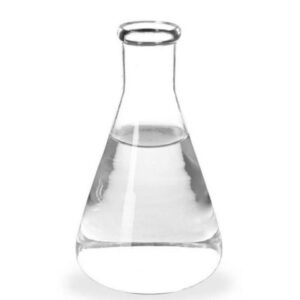
Pharmaceutical manufacturing solvents are chemical liquids used during various stages of pharmaceutical and chemical production. Their primary purpose is to help dissolve, separate, process, or prepare materials during manufacturing operations.
Solvents may be used in:
– Chemical synthesis processes
– Extraction and purification steps
– Cleaning operations
– Research and development activities
– Formulation processes
Because pharmaceutical manufacturing requires high-quality processes, solvents are selected according to technical requirements, documentation standards, and applicable industry guidelines.
Why Are Solvents Important in Pharmaceutical Manufacturing?
Solvents are important because many chemical processes require a medium that allows materials to interact effectively.
Key roles of solvents include:
Supporting Chemical Processing
Many pharmaceutical processes involve chemical transformations where solvents provide a suitable environment for reactions and processing.
Improving Material Handling
Some substances require solvents to achieve proper mixing, dissolution, or processing characteristics.
Supporting Purification
Solvents can assist in separation and purification procedures used during chemical manufacturing.
Maintaining Process Consistency
Reliable solvent selection helps manufacturers maintain consistent production conditions.
Types of Solvents Used in Pharmaceutical Manufacturing
Pharmaceutical manufacturing uses different categories of solvents depending on the application.
Alcohol-Based Solvents
Alcohol solvents are commonly used in many industries because of their versatility and compatibility with various processes.
Examples include:
– Ethanol
– Methanol
– Isopropyl alcohol
Learn more about solvent applications in our
Industrial Solvents Guide
Polar Aprotic Solvents
Polar aprotic solvents are known for their unique chemical characteristics and ability to dissolve a wide range of materials.
Examples include:
– Dimethyl Sulfoxide (DMSO)
– N-Methyl-2-Pyrrolidone (NMP)
– Acetonitrile
– Tetrahydrofuran (THF)
The selection of a polar solvent depends on the specific technical requirements of the process.
Common Solvents Used in Pharmaceutical Applications
Acetonitrile
Acetonitrile is a polar solvent recognized for its use in analytical and laboratory applications. Its chemical properties make it valuable in processes where specific solvent performance is required.
Related resource:
Acetonitrile Supplier
Methanol
Methanol is a commonly used industrial and laboratory solvent. It is evaluated based on purity, application requirements, and handling considerations.
Related resource:
[Methanol Supplier
Ethanol
Ethanol is widely recognized for its versatility and is used across multiple industries, including pharmaceutical-related applications where appropriate.
Related resource:
[Ethanol Supplier]
Isopropyl Alcohol (IPA)
Isopropyl alcohol is commonly associated with cleaning and processing applications due to its solvent properties.
Related resource:
[Isopropyl Alcohol Supplier
How to Select the Right Solvent for Pharmaceutical Manufacturing
Selecting the appropriate solvent is an important part of pharmaceutical process development. Different manufacturing processes require different solvent characteristics, and the right choice depends on technical requirements, quality standards, and operational considerations.
Key factors considered during solvent selection include:
1. Solubility and Compatibility
A solvent must be compatible with the materials involved in the process. Solubility affects how effectively a substance can be dissolved, processed, or separated.
Manufacturers evaluate:
– Compatibility with raw materials
– Interaction with other components
– Process requirements
– Desired product quality
Understanding solvent properties is essential when comparing different options. See our [Solvent Selection Guide] for more information.
2. Purity and Quality Requirements
Pharmaceutical-related processes often require careful control of material quality. Solvent selection may involve evaluating:
– Purity specifications
– Quality documentation
– Consistency between batches
– Storage conditions
Reliable documentation helps companies maintain proper chemical management practices.
3. Physical and Chemical Properties
Important solvent properties include:
– Polarity
– Boiling point
– Evaporation rate
– Chemical stability
– Compatibility with equipment and materials
These characteristics influence how a solvent performs during different manufacturing stages.
Pharmaceutical Solvents and API Manufacturing
Active Pharmaceutical Ingredient (API) manufacturing often involves multiple processing steps where solvents may be used as part of the overall production workflow.
Solvents can support processes such as:
– Chemical processing
– Material preparation
– Extraction steps
– Purification procedures
For information about pharmaceutical chemical building blocks, explore our [Pharmaceutical Intermediates Supplier] resource.
Solvents Used in Research and Development
Research and development laboratories evaluate solvents during early-stage chemical studies and process optimization.
Laboratories consider:
– Chemical compatibility
– Reproducibility
– Analytical requirements
– Process efficiency
Specialized solvents may be selected depending on the objectives of the research.
Comparing Pharmaceutical Manufacturing Solvents
Different solvents have different characteristics, making comparison an important part of process planning.
Acetonitrile vs Methanol
Both are commonly discussed solvents, but they have different physical and chemical properties.
Factors considered include:
– Polarity
– Compatibility
– Application requirements
– Process conditions
Related guides:
– [Acetonitrile Solvent Guide
– Methanol Solvent Guide🦮
Ethanol vs Isopropyl Alcohol
Ethanol and isopropyl alcohol are both alcohol-based solvents with different characteristics.
Selection depends on:
– Intended application
– Material compatibility
– Process requirements
– Quality considerations
Related guides:
– [Ethanol Supplier]
– [Isopropyl Alcohol Supplier
NMP vs DMSO
NMP and DMSO are examples of polar solvents with different chemical properties.
When comparing these solvents, manufacturers may evaluate:
– Solvent performance
– Material compatibility
– Processing conditions
– Safety considerations
Related guides:
– [NMP Solvent Guide
– [DMSO Solvent Guide]
Safety Considerations for Pharmaceutical Solvents
Proper solvent management is an important part of responsible chemical handling.
General safety practices include:
– Reviewing Safety Data Sheets (SDS)
– Providing appropriate worker training
– Using suitable protective equipment
– Maintaining proper ventilation
– Following workplace procedures
For additional information, see our [Chemical Safety Guide
Storage and Handling Considerations
Proper storage helps maintain solvent quality and supports workplace safety.
Important considerations include:
– Appropriate storage areas
– Correct labeling
– Compatible containers
– Inventory management
– Spill response procedures
Organizations should always follow manufacturer guidance and applicable regulations.
Pharmaceutical Solvent Applications by Industry
Solvents are used across different areas of pharmaceutical and chemical manufacturing. Their role depends on the requirements of each process, including material compatibility, quality standards, and production goals.
Different industries evaluate solvents based on technical performance, documentation, and safe chemical management practices.
Solvents in Pharmaceutical Research and Development
Research and development laboratories use solvents during various stages of scientific investigation and process development.
Common considerations when selecting solvents include:
– Chemical compatibility
– Consistent performance
– Appropriate quality standards
– Laboratory requirements
– Proper documentation
Solvents help researchers prepare materials, perform analytical work, and evaluate chemical processes.
For more information about laboratory chemical applications, see our [Laboratory Chemicals Supplier Guide Laboratory Chemicals Supplier
—
Solvents in Chemical Synthesis
Chemical synthesis processes often require solvents that provide suitable conditions for processing and material interaction.
The selection of a solvent may depend on:
– Reaction requirements
– Temperature conditions
– Material solubility
– Process efficiency
– Quality specifications
Specialty solvents are often evaluated based on their physical and chemical characteristics.
Solvents in Pharmaceutical Cleaning Applications
Cleaning processes are an important part of pharmaceutical manufacturing operations. Solvents may be considered for cleaning and maintenance procedures where appropriate.
Important factors include:
– Compatibility with equipment surfaces
– Cleaning performance
– Safety requirements
– Waste management considerations
Proper procedures and approved methods should always be followed.
Pharmaceutical Solvent Quality Documentation
Professional chemical supply chains often rely on detailed documentation to support quality management.
Common documents may include:
Safety Data Sheet (SDS)
An SDS provides important information about chemical properties, hazards, handling, storage, and emergency procedures.
Certificate of Analysis (COA)
A COA provides analytical information about a specific batch and helps customers evaluate material specifications.
Technical Specifications
Technical documents describe important characteristics and quality parameters.
For more information, explore our [Chemical Documentation Guide
Chemical Documentation Guide].
Building a Reliable Pharmaceutical Solvent Supply Chain
A reliable solvent supply chain requires attention to several factors:
Consistent Quality
Customers need confidence that materials meet expected specifications.
Reliable Availability
Manufacturing operations often depend on consistent supply planning.
Technical Support
Clear documentation and product information help customers make informed decisions.
Responsible Chemical Management
Professional suppliers should support safe handling and appropriate chemical practices.
Future Trends in Pharmaceutical Solvents
The pharmaceutical industry continues to focus on improving efficiency, sustainability, and responsible manufacturing.
Future considerations include:
– Solvent recovery and recycling
– Process optimization
– Improved manufacturing efficiency
– Evaluation of alternative solvent technologies
– Greater focus on environmental responsibility
The role of solvents continues to evolve as industries balance technical performance with safety and sustainability goals.
Frequently Asked Questions About Pharmaceutical Manufacturing Solvents
What are solvents used for in pharmaceutical manufacturing?
Solvents are used in various manufacturing and research processes, including material preparation, processing, purification, and laboratory applications.
Why is solvent selection important?
The right solvent can influence process performance, material compatibility, quality requirements, and operational efficiency.
What factors should be considered when selecting pharmaceutical solvents?
Important factors include chemical properties, compatibility, quality requirements, safety considerations, and applicable regulations.
Are all industrial solvents suitable for pharmaceutical applications?
No. Solvent selection depends on the specific application, required quality standards, and manufacturing requirements.
Why are solvent guides useful?
Educational solvent guides help professionals understand chemical properties, applications, and selection considerations.
Related Resources
Continue learning with these resources:
– [Industrial Solvents Supplier] – Overview of industrial solvent categories and applications
Overview of industrial solvent categories and applications.
– [What Are Industrial Solvents
What Are Industrial Solvents?] – Learn the fundamentals of industrial solvents.
– [Solvent Selection Guide] – Understand how industries compare and select solvents.
– Chemical Safety Guide
Chemical Safety Guide] – General principles for safe chemical management.
– [Pharmaceutical Intermediates Supplier] – Learn about materials used in pharmaceutical production.
– Laboratory Chemicals Supplier
Laboratory Chemicals Supplier] – Explore laboratory chemical resources.
Conclusion
Solvents are an important part of pharmaceutical manufacturing, supporting many technical processes from research and development to industrial production. Selecting the appropriate solvent requires careful evaluation of chemical properties, quality requirements, compatibility, safety practices, and regulatory considerations.
A well-managed solvent supply chain helps organizations maintain consistent processes while supporting responsible chemical use.
By understanding solvent characteristics and applications, pharmaceutical and chemical professionals can make better-informed decisions when evaluating materials for their specific needs.
Trusted Chemical & Pharmaceutical Resources
Explore reliable scientific and regulatory resources for chemical information, pharmaceutical guidance, and safety standards.
– FDA – Pharmaceutical regulations, safety information, and industry guidance.
– EMA – European pharmaceutical standards and regulatory resources.
– PubChem – Chemical properties, identifiers, and scientific data.
– PubMed – Scientific research publications and pharmaceutical studies.
Dimethylformamide (DMF) Supplier
Dimethylformamide (DMF) Supplier]
– [Dimethyl Sulfoxide (DMSO) Supplier
Dimethyl Sulfoxide (DMSO) Supplier]
– [N-Methyl-2-Pyrrolidone (NMP) Supplier
N-Methyl-2-Pyrrolidone (NMP) Supplier]
– [Methyl Ethyl Ketone (MEK) Supplier
Methyl Ethyl Ketone (MEK) Supplier]
– [Methyl Isobutyl Ketone (MIBK) Supplier]
– [Acetonitrile Supplier
– Acetone solvents supplier