Home
Shop
Wishlist0
SENIOR’S MEMBER  DISCOUNT DAYS! SAVE 25% EACH TUESDAY


Synthetic Cannabinoids: Chemical Research & Industry Overview


Synthetic cannabinoids are a class of laboratory-created compounds studied in the field of chemical research and molecular science. This knowledge hub provides educational information about synthetic cannabinoid chemistry, compound development, research history, and regulatory considerations.
Explore chemical concepts, industry information, and related research topics through the Sophie Chems

Chemical Knowledge Center

Chemical Knowledge Center

Research Chemicals Overview
Pharmaceutical Chemistry Guides
Regulatory & Safety Information

Order Protonitazene

Explore our Chemical Knowledge Center for analytical chemistry guides, chemical profiles, solvent resources, laboratory information, and scientific research articles.

Explore Chemical Knowledge Center

Chemical Knowledge Center

Cannabinoids Medicinal Use History

Cannabinoids for sale ,Synthetic Cannabinoids online USA ,The use of cannabis for medicinal purposes dates back to 2900 BC. The Chinese use of cannabis predates written books. At this time, it was considered to have healing powers and would be used to treat various ailments.Cannabis: History & Types of Cannabinoids

Cannabinoids for sale ,Around 1000 BC, the Egyptians used cannabis to treat issues with the eyes and to treat inflammation. Interestingly, it was also used as an anesthetic when mixed with other liquids. It was highly regarded in respected written works of the time, including the Bible.

In the 1600s, the settlers brought the cannabis plant to North America. At the time, it was being used to treat depression and other mental health issues in England. It was considered widespread, mainstream medicine in the West to use cannabis to treat inflammation, headaches, insomnia, and menstrual cramps.

In the early 1900s, the era of Prohibition, or the period of time when alcoholic beverage sale was illegal in the United States, began. This era brought about changes in the mentality about the regulation of alcohol as well as drugs. Ten states created marijuana prohibition laws in this time period .JWH-018  Precusors high quality

Over the next few decades, cannabis was still cultivated for medicinal use in other regions of the United States. It was included in pharmaceutical publications and manuals as a treatment option.

It wasn’t until the mid-1950s that cannabis medicinal use began to be generally considered illegal. Finally, in 1970, the Controlled Substances Act criminalized marijuana use and classified it as having no accepted medical purpose.

Toward the end of the 1970s, several medical organizations began experimental use of cannabis to treat patients who were experiencing nausea as a side effect of chemotherapy.  This experimental treatment was generally regarded as successful and by the early 1990s, the first states began approving cannabis for medical uses. The first state to legalize medical marijuana was California in 1996.

Cannabinoids for sale

Synthetic cannabinoids in Europe ,USA, UK

Cannabinoids for sale

History of Recreational Use of Cannabinoids

Cannabis, when used recreationally, has psychoactive effects, or large effects on mental processes of the brain. The effects on the brain after recreational use include a sense of relaxation and a high. It also creates a physical reaction of the eyes becoming reddened, impaired motor skills, and lowered blood pressure. Buy Protonitazene online

The physical and mental effects of the drug begin within thirty minutes if ingested by smoking or eating and will last up to 6 hours. Buy 5CLABA Synthetic Cannabinoids Precursors from Premium Chemical Intermediates precusors Suppliers.


Chemical Supplier | Pharmaceutical Intermediates & Industrial Chemicals | Sophie Chems


Choosing the right chemical supplier is an important decision for companies involved in pharmaceutical development, research, manufacturing, and industrial applications.

A reliable chemical supplier provides more than chemical materials. Professional chemical sourcing requires product knowledge, technical information, consistent supply, and an understanding of industry requirements.

Sophie Chems provides chemical information and sourcing solutions across areas including pharmaceutical intermediates, industrial chemicals, specialty chemicals, and chemical building blocks.

Through a combination of commercial product resources and educational content, Sophie Chems helps customers understand chemical applications and the role of different compounds in modern industries.

What Is a Chemical Supplier?

A chemical supplier is a company that provides chemical materials used by industries such as:

Pharmaceutical manufacturing

Chemical research

Specialty chemical production

Industrial processing

Laboratory applications

Chemical suppliers connect manufacturers, researchers, and organizations with the materials needed for their processes.

A professional chemical supplier focuses on:

Product information

Chemical documentation

Supply reliability

Industry knowledge

Pharmaceutical Intermediates Supplier

Pharmaceutical intermediates are important materials used during the development and production of active pharmaceutical ingredients (APIs).

They act as chemical building blocks that support complex synthesis pathways.

Pharmaceutical intermediate suppliers support industries by providing access to:

Organic intermediates

Heterocyclic compounds

Specialty chemical materials

Research chemicals

Pharmaceutical Intermediates Supplier

Industrial Chemicals and Solvents

Industrial chemicals play an essential role across many manufacturing sectors.

Solvents are among the most widely used chemical categories because they support processes such as:

Dissolution

Processing

Cleaning

Chemical reactions

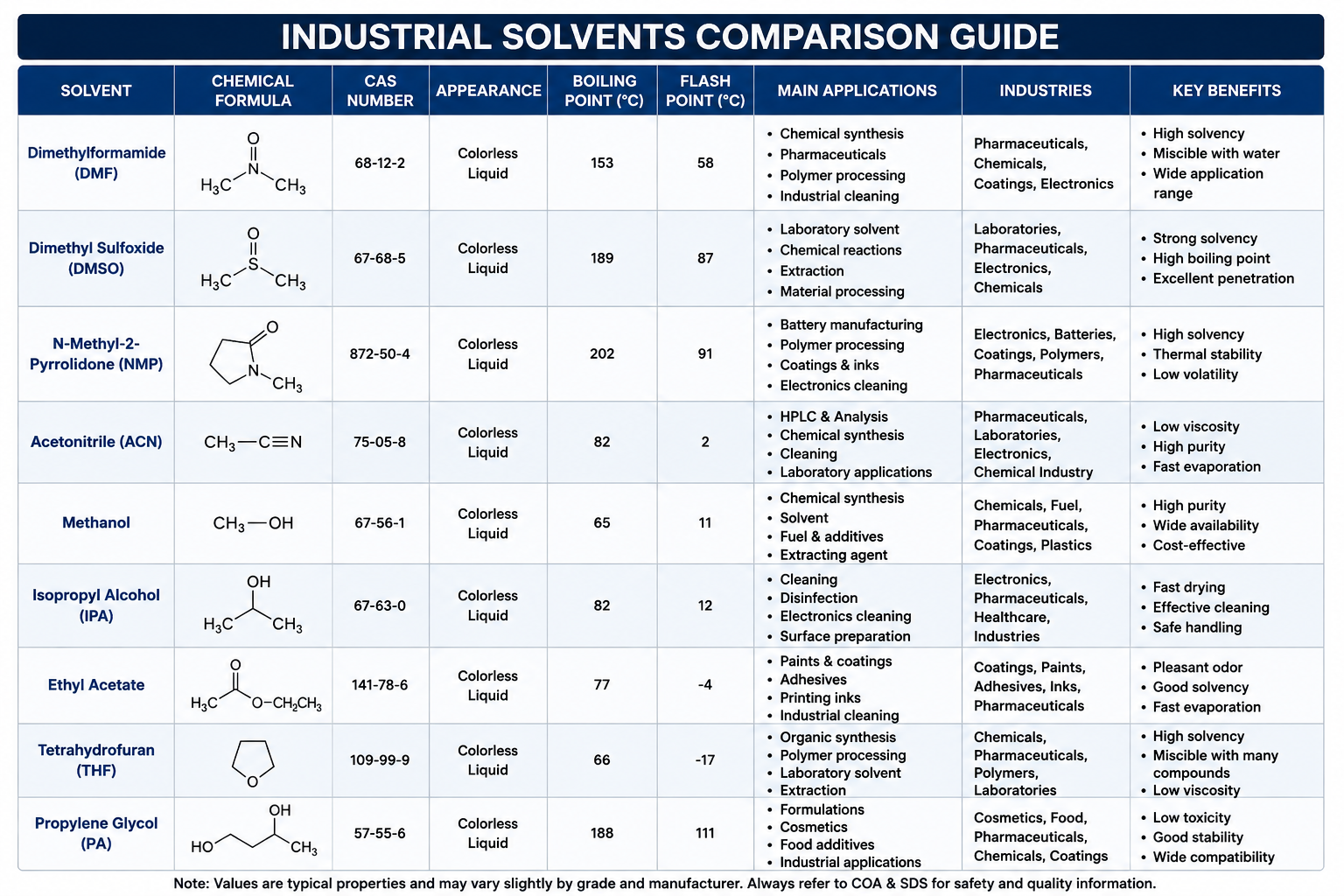
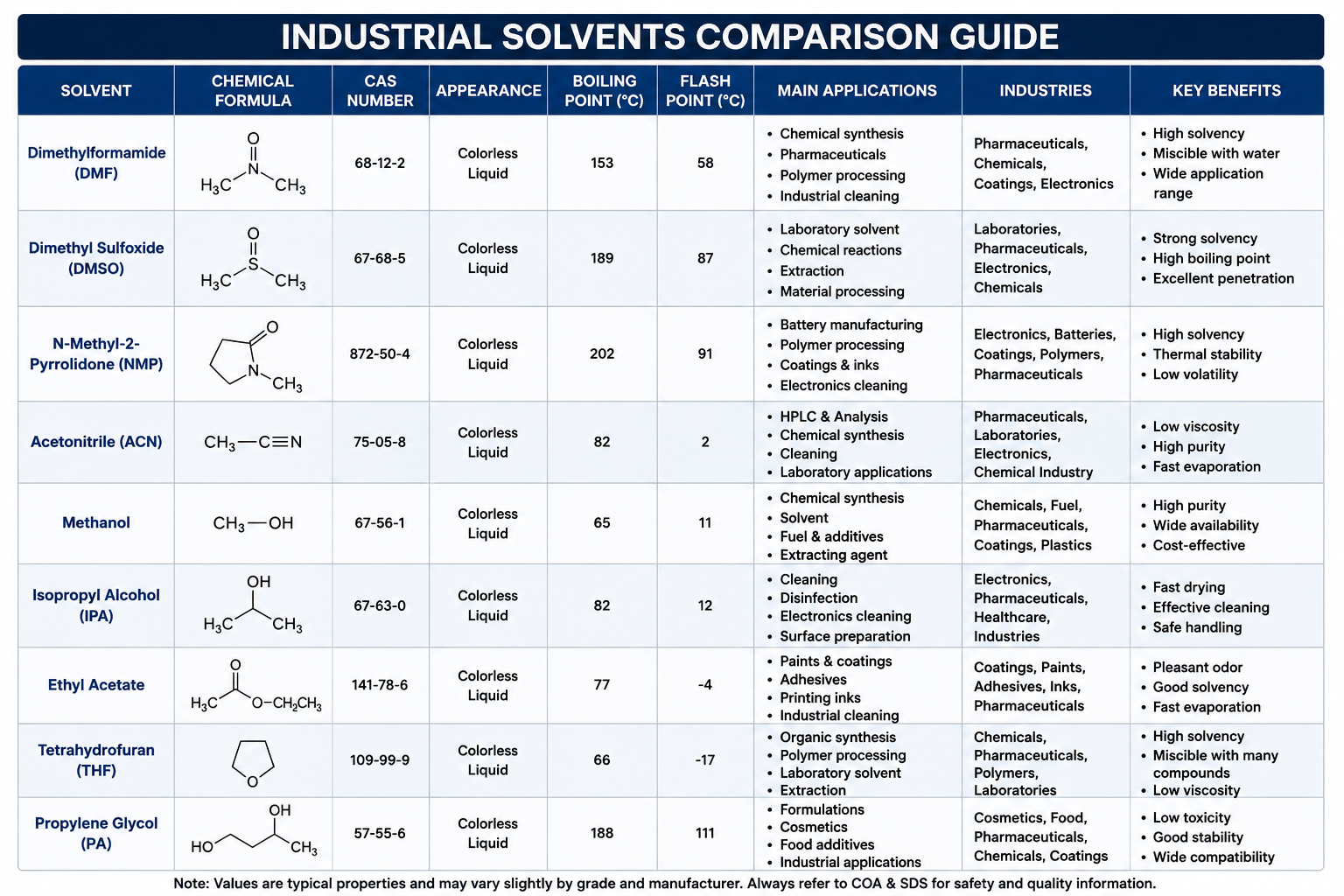
Common industrial solvent categories include:

Acetonitrile

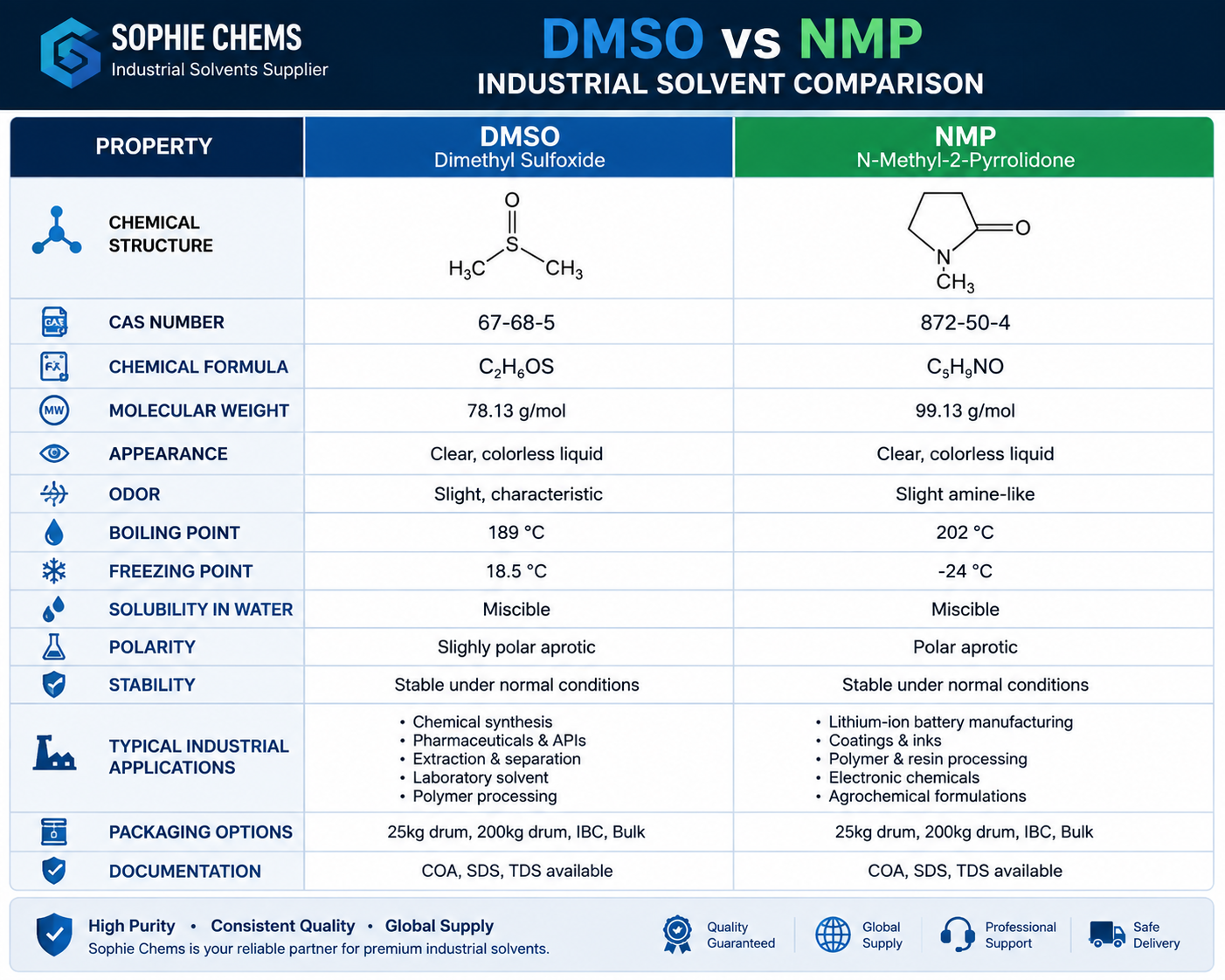
DMSO

DMF

Methanol

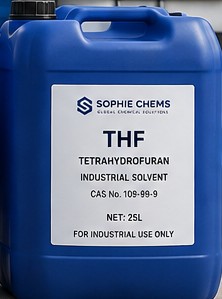
THF

Isopropyl Alcohol

Ethyl Acetate


Industrial Solvents Supplier

Industrial Solvents Supplier

Specialty Chemicals and Chemical Building Blocks

Specialty chemicals are developed for specific applications where performance and chemical properties are important.

Chemical building blocks help researchers and manufacturers create more complex molecules.

Examples of important chemical categories include:

Heterocyclic Intermediates

Heterocyclic compounds are widely studied in pharmaceutical chemistry because of their unique molecular structures.

Heterocyclic Intermediates Supplier

Heterocyclic Intermediates Supplier

Pyridine Derivatives

Pyridine-based compounds are important nitrogen-containing intermediates used in chemical research and synthesis.

Pyridine Derivatives Supplier

Pyridine Derivatives Supplier

Piperidine Derivatives

Piperidine compounds are another important group of nitrogen-containing chemical intermediates.

Piperidine Derivatives Supplier

Piperidine Derivatives Supplier

Why Chemical Knowledge Matters

Modern chemical industries require more than access to products.

Understanding chemical properties, applications, and industry concepts helps companies make better sourcing decisions.

A strong chemical knowledge resource explains:

Chemical applications

Industry terminology

Manufacturing concepts

Differences between chemical materials

The Sophie Chems Chemical Knowledge Center provides educational guides that connect chemical information with relevant supplier resources.

Chemical Knowledge Center

Chemical Knowledge Center

How to Choose a Chemical Supplier

When selecting a chemical supplier, companies often consider:

Product Information

Clear chemical information helps customers understand materials and applications.

Supply Reliability

Consistent availability supports research and production planning.

Technical Understanding

A knowledgeable supplier understands chemical industry requirements.

Professional Communication

Good communication helps ensure smoother chemical sourcing.

Chemical Supplier Supporting Research and Manufacturing

Chemical suppliers support a wide range of industries by providing materials used in:

Research and development

Manufacturing processes

Chemical synthesis

Industrial applications

The relationship between supplier and customer is built on information, reliability, and professional service.

Sophie Chems Chemical Categories

Sophie Chems focuses on chemical categories including:

Pharmaceutical intermediates

Industrial solvents

Specialty chemicals

Chemical building blocks

Research-related chemical information

The goal is to provide a structured chemical resource where customers can explore products and learn about chemical applications.

Conclusion

A reliable chemical supplier helps industries access important materials while providing the knowledge needed to understand chemical applications.

Sophie Chems combines commercial chemical resources with educational content to support customers looking for pharmaceutical intermediates, industrial chemicals, and specialty chemical information.

Through organized categories, supplier pages, and Chemical Knowledge Center articles, Sophie Chems continues building a structured chemical resource for modern industries.

Submit your review
1
2
3
4
5
Submit
     
Cancel

Create your own review

SophieChems
Average rating:  
 0 reviews

What are Cannabinoids- Their Benefits, Side Effects, & Risk

Cannabinoids Benefits side effects, We know of many cannabinoids in the marijuana plant. Tetrahydrocannabinol (THC) and cannabidiol (CBD) are the best known. Even when you focus on these two only, you see the significant differences between them. The primary reason we know more about them than the others is because they are the most abundant cannabinoids in weed.

What are the 10 Cannabinoids: What Are They and What Do They Do

For Many years, we assumed that THC and CBD were the leading players in cannabis’ potential medicinal benefits. The lack of research into the plant, due to its prohibition, hasn’t helped matters. As more scientists gain access to weed for research purposes, they have discovered that other, less prevalent cannabinoids are at least partially responsible for marijuana’s medicinal properties.

Synthetic Cannabinoids Suppliers

While we won’t discuss all cannabinoids, we will focus on 10 of the most important, including the big two. Read to learn more about these compounds and their possible effects on your health.

What Is a Cannabinoid?
It is one of a class of chemical compounds that act on the CB (cannabinoid) receptors in our endocannabinoid system (ECS). Around 50 years ago, scientists speculated that cannabinoids produced behavioral and physiological effects through an interaction with cell membranes. Cannabinoids Benefits side effects

Industrial Applications of GBL (Gamma-Butyrolactone): Chemical Uses, Properties & Industry Overview

Industrial Applications of GBL (Gamma-Butyrolactone): Chemical Uses, Properties & Industry Overview.

Gamma-Butyrolactone (GBL) is an organic chemical compound recognized in industrial chemistry for its unique chemical properties and role in specialized applications.

As a cyclic ester compound, GBL has characteristics that make it relevant in areas where chemical performance, solvent properties, and compatibility are important considerations.
Industrial chemicals are selected based on their molecular structure, physical properties, and suitability for specific manufacturing processes. GBL is one example of a specialty chemical that has attracted attention because of its role within broader chemical industries.
Understanding the industrial applications of GBL requires looking at its chemical characteristics, relationship with related compounds, and position within modern chemical manufacturing.:
What Is GBL (Gamma-Butyrolactone

What Is GBL (Gamma-Butyrolactone))?

Chemical Properties, Industrial Applications & Regulatory Overview

What Is GBL? -Gamma-Butyrolactone

GBL, also known as Gamma-Butyrolactone, is a five-membered cyclic ester belonging to the lactone family.
Its molecular structure gives it several useful chemical characteristics, including:
Organic solvent properties

Chemical stability
Ability to interact with different chemical materials
Role as a chemical intermediate
Because of these properties, GBL is studied within industrial chemistry and specialty chemical applications.
Chemical Properties That Influence Industrial Use
The industrial relevance of GBL comes from its chemical structure and physical behavior.

Solvent Characteristics
One important feature of GBL is its ability to function as a high-performance organic solvent in suitable industrial contexts.

Solvents are important because they help:
Dissolve chemical substances
Support processing operations
Improve material compatibility
Assist chemical manufacturing procedures

Different industries select solvents depending on technical requirements.

Industrial Solvents Supplier

Industrial Solvents Supplier

Role of GBL in Chemical Manufacturing
Chemical manufacturing uses many different categories of materials, including:
Solvents
Intermediates
Building blocks
Specialty chemicals

GBL belongs to the group of organic chemicals considered in specialized industrial processes.
Manufacturers evaluate chemical materials based on:
Performance
Compatibility
Processing requirements

Safety considerations
The choice of a chemical depends on the specific industrial application.
Industrial Application Areas of GBL

1. Specialty Chemical Processing
GBL is discussed within specialty chemical industries where specific chemical properties are required.
Specialty chemicals are different from general commodity chemicals because they are selected for particular functions and performance characteristics.
Applications may depend on:
Chemical formulation needs
Production requirements
Material compatibility

2. Chemical Research and Development
Research laboratories and chemical organizations study many organic compounds, including GBL, to understand:
Chemical behavior
Reaction pathways
Material interactions
Industrial possibilities
Chemical research helps improve understanding of how compounds can be used in different industrial environments.

3. Manufacturing Support Applications
Industrial manufacturing often requires carefully selected chemical materials to support production processes.
The suitability of a chemical depends on:
Process conditions
Equipment compatibility
Industry standards
Required performance

GBL is one example of a chemical compound considered in specialized manufacturing discussions.
GBL and Related Chemical Materials
GBL is chemically related to other industrial compounds, including 1,4-Butanediol.

Understanding related chemicals helps explain how different compounds can have different industrial roles.

GBL vs 1,4-Butanediol

GBL vs 1,4-Butanediol:

Chemical Properties, Industrial Applications & Key Differences

Related chemical topics:
Industrial solvents
Chemical intermediates
Specialty chemicals
Organic compounds

GBL in Industrial Chemistry and Manufacturing Processes

Industrial chemistry relies on a wide range of chemical materials selected for their specific properties and performance.

GBL is studied as part of organic chemistry because its molecular structure provides characteristics that may be useful in specialized chemical environments.

The selection of a chemical material depends on factors such as:

Required chemical properties

Manufacturing process

Compatibility with other materials

Industry standards

A chemical supplier’s role is to provide accurate information and reliable sourcing support for industrial applications.

GBL Compared With Other Industrial Solvents

Different industrial solvents have different chemical characteristics. Companies select solvents based on the needs of each process.

GBL vs DMSO

DMSO is a polar organic solvent widely discussed in chemical and industrial applications.

GBL and DMSO differ in:

Molecular structure

Physical properties

Industrial applications

The appropriate solvent depends on the specific manufacturing requirement.

DMSO Supplier

DMSO Supplier

GBL vs DMF

DMF is another industrial solvent used in chemical processing.

Like other solvents, DMF selection depends on:

Chemical compatibility

Process requirements

Technical specifications

DMF Supplier

DMF Supplier

GBL vs THF

THF is an organic solvent commonly associated with chemical synthesis and industrial chemistry.

GBL and THF have different structures and characteristics, making them suitable for different applications.

THF Supplier 

THF Supplier 

Importance of Industrial Solvent Selection

Choosing the right solvent is an important part of chemical manufacturing.

Industries consider:

Solubility

The ability of a solvent to dissolve specific materials.

Chemical Compatibility

How the solvent interacts with other substances involved in a process.

Process Efficiency

The role of the solvent in supporting manufacturing operations.

Quality Requirements

Industrial applications often require consistent chemical information and documentation.

GBL and the Specialty Chemical Industry

Specialty chemicals support many advanced industrial processes.

Unlike basic commodity chemicals, specialty chemicals are often selected because of specific performance characteristics.

GBL is part of a wider chemical industry that includes:

Organic solvents

Chemical intermediates

Fine chemicals

Research materials

The specialty chemical sector depends on understanding chemical properties and selecting appropriate materials for each application.

GBL and Pharmaceutical Chemical Research

The pharmaceutical industry uses many types of chemical materials during research and manufacturing.

These materials may include:

Solvents

Intermediates

Starting materials

Building blocks

Chemical selection depends on the requirements of each process.:

Pharmaceutical Intermediates Supplier

Pharmaceutical Intermediates Supplier

GBL and Chemical Supply Chains

Modern chemical supply chains connect manufacturers, researchers, and industrial users with chemical materials needed for production.

A reliable chemical supply structure depends on:

Product information

Quality standards

Technical support

Responsible chemical management

Educational content about chemicals helps customers better understand the role of different materials within industrial chemistry.

Understanding GBL as Part of a Chemical Knowledge Network.

Chemical Knowledge Center

Chemical Knowledge center


Regulatory Considerations for GBL

Like many industrial chemicals, GBL is subject to different regulatory requirements depending on the country, industry, and intended application.

Companies working with chemical materials should consider:

Applicable chemical regulations

Documentation requirements

Safety procedures

Responsible handling practices

Regulatory frameworks may vary internationally, so chemical users and suppliers must follow the requirements relevant to their location and industry.

A professional chemical approach includes proper documentation, transparency, and compliance awareness.

Importance of Responsible Chemical Management

Industrial chemical management involves more than selecting a chemical based on performance.

Companies also consider:

Storage Requirements

Chemical storage practices help maintain product quality and workplace safety.

Technical Documentation

Accurate chemical information supports informed decision-making.

Workplace Procedures

Industrial users follow appropriate safety and operational standards.

Responsible chemical management supports reliable industrial operations.


Frequently Asked Questions About Industrial Applications of GBL

What are the industrial applications of GBL?

GBL is discussed in industrial chemistry because of its solvent properties and chemical characteristics. Its applications depend on industry requirements, process needs, and applicable regulations.

Why is GBL considered a specialty chemical?

GBL is considered a specialty chemical because it has specific chemical properties that make it relevant for specialized industrial applications.

Is GBL an industrial solvent?

GBL is recognized for solvent-related characteristics and is studied within the broader category of organic solvents used in chemical industries.

How does GBL compare with other solvents?

GBL differs from solvents such as DMSO, DMF, THF, and acetonitrile because each chemical has different molecular structures and performance characteristics.

What factors determine solvent selection?

Industries evaluate solvents based on:

Chemical compatibility

Required performance

Manufacturing conditions

Technical requirements

Why are chemical knowledge articles important for suppliers?

Educational chemical content helps customers understand products, applications, and industry concepts while building trust and expertise.

Related Sophie Chems Resources

Explore related chemical information:

What Is GBL (Gamma-Butyrolactone)? Chemical Properties, Industrial Applications & Regulatory Overview

Learn about GBL chemical properties and industrial relevance.

GBL vs 1,4-Butanediol: Chemical Properties, Industrial Applications & Key Differences

Compare related chemical compounds and their industrial roles.

1,4-Butanediol Supplier

Explore information about an important industrial chemical material.

Industrial Solvents Supplier

Discover solvent categories used in chemical processing and manufacturing.

Pharmaceutical Intermediates Supplier

Learn about chemical intermediates used in pharmaceutical development.

Chemical Knowledge Center

Chemical Knowledge Center

Explore chemical guides and industry information.


Conclusion

GBL (Gamma-Butyrolactone) is an important organic chemical compound studied within industrial chemistry because of its chemical properties and solvent characteristics.

Understanding the industrial applications of GBL requires looking at its structure, chemical behavior, relationship with other compounds, and its role within broader chemical industries.

For chemical professionals and industrial users, knowledge of chemical properties and applications helps support better decision-making and understanding of modern chemical manufacturing.

A strong chemical knowledge base connects educational information with commercial supplier resources, creating a clearer path between industry research and chemical sourcing.


GBL Chemical Applications, Gamma-Butyrolactone Uses, Industrial Solvents, Chemical Intermediates, Specialty Chemicals, Organic Solvents


GBL, Gamma-Butyrolactone, Industrial Solvents Supplier, Chemical Supplier, Specialty Chemical Supplier, Chemical Intermediates Supplier, Organic Solvents, Industrial Chemicals, Fine Chemicals


What Is GBL (Gamma-Butyrolactone)? Chemical Properties, Industrial Applications & Regulatory Overview

What Is GBL (Gamma-Butyrolactone)? Chemical Properties, Industrial Applications & Regulatory Overview.


Gamma-Butyrolactone (GBL) is an organic chemical compound widely recognized for its unique solvent properties and applications in industrial chemistry, manufacturing, and chemical research.

As a cyclic ester compound, GBL has characteristics that make it useful in various chemical processes where a high-performance solvent or chemical intermediate is required.

Understanding GBL requires looking at its chemical structure, physical properties, industrial relevance, and the regulatory considerations that apply in different regions.

Like many industrial chemicals, the importance of GBL comes from its technical properties and its role in specialized chemical applications.

What Is GBL (Gamma-Butyrolactone)?

GBL, also known as Gamma-Butyrolactone, is a five-membered cyclic ester belonging to the lactone family of organic compounds.

Its chemical structure gives it useful characteristics, including:

Good solvent ability

Chemical stability

Compatibility with many organic materials

Ability to participate in chemical reactions

GBL is studied and used within industrial chemistry because of its performance as a solvent and chemical building block.

It belongs to a broader category of oxygen-containing organic compounds used in chemical manufacturing.

Chemical Structure and Properties of GBL

GBL has the molecular formula C₄H₆O₂ and contains a cyclic ester functional group.

Important chemical characteristics include:

Polar Solvent Properties

GBL has polarity that allows it to dissolve many organic compounds, making it useful in certain industrial processes.

Chemical Stability

Its structure provides stability under appropriate industrial conditions.

Compatibility

GBL can interact with different chemical systems, which contributes to its usefulness in specialized applications.

Industrial Applications of GBL

GBL has been used in different industrial and chemical fields because of its solvent characteristics.

General application areas include:

Chemical Manufacturing

GBL may be involved in chemical processes where specific solvent properties are required.

Industrial chemistry often depends on solvents that provide:

Effective dissolution

Reaction support

Process flexibility

Research and Development

Chemical laboratories may study compounds like GBL as part of broader research into:

Organic chemistry

Chemical reactions

Material science

Industrial processes

Manufacturing Processes

Certain manufacturing environments use specialized solvents to support controlled production processes.

The choice of solvent depends on factors such as:

Chemical compatibility

Process requirements

Safety considerations

GBL as an Industrial Solvent

Solvents are essential materials in many industries because they help dissolve, separate, or process other substances.

Industrial solvents are selected based on:

Chemical properties

Application requirements

Compatibility with materials

Safety considerations

GBL is one example of a specialized solvent used in chemical applications.

Other common industrial solvents include:

Methanol

Acetonitrile

DMSO

DMF

THF

Ethyl Acetate

Isopropyl Alcohol

Industrial Solvents Supplier

Industrial Solvents Supplier

Explore common industrial solvents used in chemical processing and manufacturing applications.

GBL in Chemical Industry and Manufacturing

GBL is recognized in chemical industries because of its physical and chemical properties that make it suitable for specialized applications.

Industrial chemicals are selected based on performance, compatibility, and processing requirements. GBL’s characteristics allow it to be considered in areas where a polar organic solvent or chemical intermediate is needed.

The use of any industrial chemical depends on:

Industry requirements

Local regulations

Safety procedures

Approved applications


GBL as a Chemical Intermediate

In addition to solvent applications, GBL is also known as a chemical intermediate.

Chemical intermediates are substances used during the production pathway of other chemical compounds.

A chemical intermediate may help manufacturers create:

Advanced chemical materials

Specialty compounds

Industrial products

The importance of intermediates comes from their ability to support efficient chemical synthesis.


Chemical Knowledge Center

Chemical Knowledge Center

Explore educational guides about chemical compounds, intermediates, and industrial applications.

Comparing GBL With Other Industrial Solvents

Different solvents have different properties, and industries select them based on specific requirements.

GBL vs DMSO

Both are polar organic solvents used in chemical applications, but their chemical structures and performance characteristics differ.

DMSO is commonly recognized for its strong solvent capability and broad industrial use.


DMSO Supplier

DMSO Supplier

Description: Learn about an important industrial solvent used in chemical and pharmaceutical applications.

GBL vs DMF

DMF is another polar solvent widely used in industrial chemistry.

Solvent selection depends on factors such as:

Reaction conditions

Material compatibility

Manufacturing requirements

DMF Supplier

DMF Supplier

Explore information about DMF applications in chemical processing.

GBL vs THF

THF is a commonly used ether solvent in organic chemistry and industrial applications.

Different solvents provide different advantages depending on the chemical process.

THF Supplier

THF Supplier

Discover a commonly used solvent for chemical synthesis and industrial applications.


GBL is part of a group of related chemical compounds used in industrial chemistry. Related chemical materials such as 1,4-Butanediol Supplier are also important in chemical manufacturing and synthesis applications.”

1,4-Butanediol Supplier page Guide

1,4-Butanediol Supplier page Guide 🦮


Importance of Solvent Selection in Chemical Manufacturing

Choosing the correct solvent is an important part of chemical process development.

Factors considered include:

Solubility

The solvent should effectively dissolve the required materials.

Chemical Compatibility

The solvent should work safely with the chemicals involved in the process.

Process Requirements

Manufacturers consider temperature, reaction conditions, and production goals.

Safety and Compliance

Industrial solvent use requires appropriate handling and regulatory awareness.

Regulatory Considerations for GBL

GBL is subject to different regulations depending on the country and intended use.

Regulatory requirements may involve:

Chemical classification

Documentation

Import and export controls

Industrial compliance requirements

Companies working with regulated chemicals should understand applicable laws and maintain proper compliance procedures.

The regulatory status of chemicals can change depending on:

Location

Quantity

Purpose of use

Industry sector

Safe Handling and Chemical Responsibility

Like many industrial chemicals, GBL requires responsible handling practices.

Professional chemical operations generally consider:

Proper storage

Appropriate safety procedures

Workplace regulations

Chemical documentation

Chemical suppliers and users should follow applicable safety guidelines and legal requirements.

Role of Industrial Solvents in Pharmaceutical Manufacturing

Solvents play an important role in pharmaceutical and chemical industries.

They may be used during processes such as:

Chemical reactions

Extraction processes

Purification steps

Manufacturing operations

Common pharmaceutical and industrial solvents include:

Acetonitrile

Methanol

Isopropyl Alcohol

DMSO

DMF

THF

Pharmaceutical Intermediates Supplier

Pharmaceutical Intermediates Supplier

Explore chemical intermediates used in pharmaceutical synthesis and manufacturing.


Frequently Asked Questions About GBL (Gamma-Butyrolactone)

What is GBL (Gamma-Butyrolactone)?

GBL (Gamma-Butyrolactone) is an organic chemical compound belonging to the lactone family. It is recognized for its solvent properties and its role in certain industrial chemical applications.

What are the industrial uses of GBL?

GBL has been associated with specialized industrial and chemical applications where solvent performance and chemical properties are important.

Industrial chemical use depends on:

Application requirements

Local regulations

Safety procedures

Industry standards

Is GBL an industrial solvent?

GBL is considered a solvent used in certain chemical contexts because of its ability to dissolve various organic materials. Solvent selection depends on the specific manufacturing process and technical requirements.

How does GBL compare with other solvents?

Different solvents have different chemical properties. GBL, DMSO, DMF, THF, methanol, and acetonitrile each have different characteristics that make them suitable for different industrial applications.

Why are solvents important in chemical manufacturing?

Solvents help support many chemical processes by enabling dissolution, reaction control, processing, and separation steps.

The choice of solvent depends on:

Chemical compatibility

Process conditions

Performance requirements

What industries use industrial solvents?

Industrial solvents are used across industries such as:

Chemical manufacturing

Pharmaceutical production

Research and development

Specialty chemical industries

Where can I learn more about industrial solvents?

Explore the Sophie Chems Chemical Knowledge Center Chemical Knowledge Center

for educational information about solvents, intermediates, and chemical applications.


Industrial Solvents Supplier

Industrial Solvents Supplier

Description: Discover common solvents used in industrial and chemical manufacturing applications.

Related Chemical Knowledge Center Topics

Explore related guides:

Industrial Solvents Supplier

Learn about important solvents used in chemical processing.

What Are Pharmaceutical Intermediates?

Understand the role of chemical intermediates in pharmaceutical manufacturing.

KSM Supplier | Key Starting Materials for Pharmaceutical Manufacturing

Learn how starting materials support API development.

What Are Heterocyclic Compounds?

Discover important chemical structures used in pharmaceutical chemistry.

Conclusion

GBL (Gamma-Butyrolactone) is an important chemical compound studied within industrial chemistry because of its solvent characteristics and role in specialized chemical applications.

Understanding GBL requires knowledge of its chemical properties, industrial relevance, and regulatory considerations.

Like other industrial chemicals, responsible use depends on proper handling, compliance with applicable regulations, and understanding the requirements of each application.

For companies interested in industrial chemistry, solvent applications, and chemical manufacturing information, learning about compounds such as GBL provides valuable insight into the broader chemical industry.

GBL, Gamma Butyrolactone, Industrial Solvents, Chemical Knowledge Center, Chemical Intermediates, Pharmaceutical Chemicals, Organic Solvents


What Is N-Methylpiperidine? Applications & Uses

What Is N-Methylpiperidine? Applications & Uses in Pharmaceutical and Chemical Synthesis.

N-Methylpiperidine is an important nitrogen-containing heterocyclic compound widely recognized as a valuable chemical intermediate in pharmaceutical research, organic synthesis, and specialty chemical applications.

As a member of the piperidine family, N-Methylpiperidine contains a six-membered saturated ring with one nitrogen atom and a methyl group attached to the nitrogen. This unique structure gives it useful chemical properties that make it an important building block in modern chemical synthesis.

Piperidine derivatives are widely studied and used in pharmaceutical chemistry because they can be modified to create complex molecular structures. N-Methylpiperidine is one example of a versatile intermediate used by researchers and chemical manufacturers.

This article explains what N-Methylpiperidine is, its properties, applications, industrial importance, and its role within the broader category of piperidine derivatives.

What Is N-Methylpiperidine?

N-Methylpiperidine is a methyl-substituted piperidine compound belonging to the class of heterocyclic amines.

The compound consists of:

A six-membered saturated nitrogen-containing ring

A methyl group attached to the nitrogen atom

This modification changes the chemical behavior of the parent piperidine structure and provides additional flexibility for chemical reactions.

N-Methylpiperidine is mainly used as:

A pharmaceutical intermediate

A chemical building block

A synthesis reagent

A research compound

A specialty chemical intermediate

Piperidine Derivatives Supplier

Piperidine Derivatives Supplier

Explore piperidine-based chemical intermediates used in pharmaceutical and chemical synthesis.

Chemical Structure and Properties of N-Methylpiperidine

N-Methylpiperidine belongs to the group of aliphatic heterocyclic compounds.

Important characteristics include:

Nitrogen-Containing Ring Structure

The nitrogen atom within the ring influences:

Chemical reactivity

Molecular interactions

Synthetic possibilities

Nitrogen-containing heterocycles are commonly found in pharmaceutical molecules because they can provide valuable structural features.

Chemical Versatility

The N-methyl group attached to the nitrogen atom provides different properties compared with unsubstituted piperidine.

This allows N-Methylpiperidine to participate in various chemical transformations during synthesis.

N-Methylpiperidine as a Heterocyclic Intermediate

Heterocyclic compounds are among the most important structures in pharmaceutical chemistry.

They contain rings with atoms such as:

Nitrogen

Oxygen

Sulfur

Piperidine derivatives are a major category of nitrogen-containing heterocycles.

N-Methylpiperidine contributes to this field because it can serve as a useful starting point for creating more complex molecules.

Heterocyclic Intermediates Supplier

Heterocyclic Intermediates Supplier

Description: Learn about important heterocyclic building blocks used in pharmaceutical chemistry.

Relationship Between Piperidine and N-Methylpiperidine

Piperidine is a basic six-membered nitrogen heterocycle. By modifying the nitrogen position with a methyl group, N-Methylpiperidine is created.

This type of modification is common in chemical synthesis because small structural changes can influence:

Molecular properties

Reactivity

Compatibility in synthesis pathways

Piperidine derivatives are frequently explored in medicinal chemistry due to their structural flexibility.


Pharmaceutical Applications of N-Methylpiperidine

N-Methylpiperidine is an important compound in pharmaceutical chemistry because piperidine structures are commonly found in many areas of medicinal chemistry and drug development research.

The piperidine ring is valued by chemists because it can provide useful structural characteristics when designing complex molecules.

N-Methylpiperidine may be used as a chemical building block during the development of advanced pharmaceutical intermediates.

Common application areas include:

Pharmaceutical research

Organic synthesis

Medicinal chemistry

Intermediate development

Specialty chemical manufacturing

Pharmaceutical Intermediates Supplier

Pharmaceutical Intermediates Supplier

Description: Explore chemical intermediates used in pharmaceutical synthesis and API development.

Role of N-Methylpiperidine in Chemical Synthesis

Chemical synthesis involves transforming simple molecules into more complex compounds through controlled reactions.

N-Methylpiperidine is useful because its nitrogen-containing structure provides opportunities for chemical modification.

It can be incorporated into synthetic pathways involving:

Organic transformations

Molecular structure development

Intermediate preparation

Research chemistry

The flexibility of piperidine-based compounds makes them valuable tools for chemists working on advanced chemical structures.

N-Methylpiperidine in Medicinal Chemistry

Medicinal chemistry focuses on designing and studying molecules with potential pharmaceutical applications.

Nitrogen-containing heterocycles such as piperidine derivatives are frequently studied because they can influence molecular characteristics.

Piperidine structures appear in many pharmaceutical research programs due to their:

Structural flexibility

Chemical stability

Ability to interact with biological molecules

N-Methylpiperidine represents one example of how chemists modify heterocyclic structures to create useful intermediates.

Industrial Uses of N-Methylpiperidine

Beyond pharmaceutical research, N-Methylpiperidine has importance in specialty chemical applications.

Industrial uses may include:

Chemical Manufacturing

Used as an intermediate for producing more complex chemical compounds.

Research and Development

Used in laboratory and industrial research environments focused on chemical synthesis.

Specialty Chemicals

Supports the development of advanced chemical materials and intermediate products.

N-Methylpiperidine and API Development

Active Pharmaceutical Ingredient (API) development requires multiple stages of chemical synthesis.

During this process, manufacturers use various intermediates and building blocks to construct complex molecular structures.

N-Methylpiperidine can support this process by acting as a useful chemical component within synthetic routes.

The relationship can be summarized:

Chemical Building Blocks

Piperidine Intermediates

Advanced Pharmaceutical Intermediates

API Development


API vs Pharmaceutical Intermediates

API vs Pharmaceutical Intermediates

Description: Understand the difference between APIs and chemical intermediates used in pharmaceutical manufacturing.

Advantages of Piperidine-Based Intermediates

Piperidine derivatives are widely used because they offer several advantages in chemical synthesis.

Structural Flexibility

Piperidine compounds can be modified in different ways to create diverse chemical structures.

Wide Research Applications

They are used across:

Pharmaceutical chemistry

Organic synthesis

Chemical research

Valuable Building Blocks

They help researchers develop complex molecules from simpler chemical materials.

Importance of Nitrogen-Containing Heterocycles

Nitrogen-containing heterocycles represent one of the largest groups of structures used in pharmaceutical chemistry.

Examples include:

Piperidine derivatives

Pyridine derivatives

Other nitrogen heterocyclic compounds

These structures are important because nitrogen atoms can influence:

Molecular properties

Chemical interactions

Synthetic pathways


What Are Pyridine Derivatives

What Are Pyridine Derivatives?

Description: Learn about another important nitrogen-containing heterocyclic compound family used in pharmaceutical chemistry.

N-Methylpiperidine Compared With Other Piperidine Derivatives

The piperidine family includes many related compounds with different substitutions and applications.

Examples include:

Piperidine

N-Methylpiperidine

Substituted piperidine derivatives

Each derivative may have different chemical is characteristics depending on the attached functional groups.

This diversity makes piperidine derivatives valuable for pharmaceutical and chemical research.

Growing Importance of Piperidine Derivatives

Demand for piperidine-based intermediates continues to grow due to their importance in:

Pharmaceutical innovation

Advanced chemical synthesis

Research and development

As pharmaceutical companies continue exploring new molecular structures, versatile heterocyclic intermediates remain important components of modern chemistry Flexibility


Market Importance of N-Methylpiperidine

The demand for nitrogen-containing heterocyclic intermediates continues to grow because of their importance in pharmaceutical research, chemical development, and specialty chemical manufacturing.

N-Methylpiperidine represents one of many piperidine-based building blocks used in modern chemical synthesis.

Factors supporting interest in piperidine derivatives include:

Growth of pharmaceutical research

Development of advanced chemical intermediates

Expansion of fine chemical manufacturing

Increased demand for specialized building blocks

As chemical industries continue to develop new molecules, versatile intermediates such as N-Methylpiperidine remain important components of chemical supply chains.

Future Role of Piperidine-Based Intermediates

Piperidine derivatives continue to attract attention in pharmaceutical and chemical research because of their structural flexibility.

Future applications are supported by:

Continued innovation in medicinal chemistry

Increasing demand for complex molecules

Expansion of chemical research activities

Development of new synthesis methods

Understanding the role of compounds like N-Methylpiperidine helps researchers and manufacturers select suitable building blocks for different chemical pathways.


Frequently Asked Questions

What is N-Methylpiperidine?

N-Methylpiperidine is a nitrogen-containing heterocyclic compound derived from the piperidine structure. It is used as a chemical intermediate and building block in organic synthesis and pharmaceutical research.

What is N-Methylpiperidine used for?

N-Methylpiperidine is used in chemical synthesis, pharmaceutical intermediate development, medicinal chemistry research, and specialty chemical applications.

Is N-Methylpiperidine a piperidine derivative?

Yes. N-Methylpiperidine is a member of the piperidine derivative family because it contains a modified piperidine ring structure.

Why are piperidine derivatives important?

Piperidine derivatives are important because they provide versatile nitrogen-containing structures used in pharmaceutical chemistry and advanced chemical synthesis.

What industries use N-Methylpiperidine?

Industries involved in pharmaceutical research, chemical manufacturing, fine chemicals, and specialty chemical development may use piperidine-based intermediates.

What is the role of N-Methylpiperidine in chemical synthesis?

N-Methylpiperidine can serve as a building block that helps chemists create more complex molecules through controlled synthetic processes.

How do companies select an N-Methylpiperidine supplier?

Companies usually consider product quality, supply capability, technical information, and reliable sourcing when selecting a chemical supplier.

Where can I learn more about piperidine and chemical intermediates?

Visit the Sophie Chems

Chemical Knowledge Center

Chemical Knowledge Center

for educational resources covering pharmaceutical intermediates, heterocyclic compounds, and chemical applications.

Related Sophie Chems Resources

Piperidine Derivatives Supplier

Piperidine Derivatives Supplier

Explore piperidine-based chemical intermediates and building blocks.

Heterocyclic Intermediates Supplier

Heterocyclic Intermediates Supplier

Learn about nitrogen-containing compounds used in pharmaceutical chemistry.

Pharmaceutical Intermediates Supplier

Pharmaceutical Intermediates Supplier

Discover chemical intermediates used in API development and synthesis.

KSM Supplier | Key Starting Materials

Understand the role of starting materials in pharmaceutical manufacturing.


Chemical Knowledge Center

Chemical Knowledge Center

Explore chemical guides, industry information, and educational resources.

Conclusion

N-Methylpiperidine is an important piperidine derivative and heterocyclic chemical intermediate with applications in pharmaceutical research, organic synthesis, and specialty chemical development.

Its nitrogen-containing ring structure provides useful chemical properties that make it a valuable building block for creating advanced compounds.

As demand for pharmaceutical intermediates and chemical building blocks continues to grow, N-Methylpiperidine remains part of the broader chemical landscape supporting modern synthesis and research.


N-Methylpiperidine Supplier, Piperidine Derivatives Supplier, Pharmaceutical Intermediate Supplier, Heterocyclic Intermediates, Chemical Building Blocks, API Intermediates, Fine Chemical Supplier


N-Methylpiperidine, Piperidine Derivatives, Heterocyclic Compounds, Pharmaceutical Intermediates, Chemical Synthesis, API Intermediates, Fine Chemicals


What Is Acetone Used for in Industry? Applications, Benefits & Industrial Uses

What Is Acetone Used for in Industry? Applications, Benefits & Industrial Uses.


What Is Acetone Used for in Industry

Acetone is one of the most widely used industrial solvents in the world. Known for its excellent solvency, rapid evaporation rate, and versatility, acetone plays a critical role in numerous industries, including pharmaceuticals, chemical manufacturing, coatings, plastics, electronics, laboratories, and industrial cleaning.


As a colorless, highly volatile organic compound, acetone is valued for its ability to dissolve a wide range of substances while leaving minimal residue after evaporation. These properties make it an essential material in manufacturing processes, research laboratories, and industrial production facilities worldwide.


Industrial acetone is commonly used as a solvent, cleaning agent, extraction medium, and chemical intermediate. Its broad range of applications continues to make it one of the most important chemicals in modern industrial operations.

Learn about

industrial grade acetone specifications,

Industrial Grade Acetone Supplier

supply options, and bulk sourcing solutions.


This guide explores what acetone is used for in industry, its key benefits, major applications, handling considerations, and importance in chemical manufacturing and research.


What Is Acetone?

Acetone, also known as propanone, is a simple organic solvent with the molecular formula C3H6O. It belongs to the ketone family of compounds and is characterized by its strong solvency and rapid evaporation.

Acetone occurs naturally in small amounts in the environment and can also be produced through industrial manufacturing processes. Due to its effectiveness as a solvent, it is widely used in industrial applications that require cleaning, extraction, formulation, or chemical synthesis.


Key characteristics include:

– Colorless liquid

– High volatility

– Excellent solvent properties

– Rapid evaporation rate

– Miscibility with water and many organic solvents

– Broad industrial applicability

These characteristics contribute to its popularity across multiple sectors.

View detailed acetone specifications, applications, packaging options, and product information.

Acetone Product Specifications

Acetone Product Specifications


Why Acetone Is Important in Industry

Acetone remains one of the most important industrial chemicals because it offers a combination of performance, availability, and versatility.


Excellent Solvent Properties

Acetone can dissolve many organic compounds, making it useful in manufacturing, cleaning, and formulation processes.

Fast Evaporation

Its rapid evaporation rate helps reduce drying times in coatings, cleaning operations, and industrial production.

High Compatibility

Acetone is compatible with numerous chemicals, polymers, and manufacturing systems.

Cost Efficiency

Large-scale production and widespread availability make acetone a cost-effective solvent for many industrial operations.

Multi-Industry Applications

Its use spans pharmaceuticals, laboratories, electronics, coatings, plastics, and chemical processing.


Acetone in Pharmaceutical Manufacturing

One of the most important industrial applications of acetone is within the pharmaceutical industry.

Acetone is frequently used during:

– Pharmaceutical synthesis

– Intermediate production

– API manufacturing

– Purification processes

– Crystallization procedures

– Equipment cleaning

Its ability to dissolve a wide range of organic compounds makes it valuable in pharmaceutical research and production.

For additional information, explore our Industrial Acetone pillar page and related pharmaceutical manufacturing resources.

Acetone Industrial Grade  Supplier page

Acetone Industrial Supplier page 


Discover chemical intermediates used in pharmaceutical synthesis and manufacturing processes.

Pharmaceutical Intermediates

Pharmaceutical Intermediates


Acetone in Chemical Manufacturing

Chemical manufacturers rely heavily on acetone as both a solvent and a raw material.

Applications include:

Chemical Synthesis

Acetone supports numerous synthesis reactions used in industrial chemistry.


Intermediate Production

Many specialty chemicals and intermediates are manufactured using acetone during processing stages.

Extraction Processes

Acetone helps separate desired compounds from complex mixtures.

Product Formulation

Manufacturers use acetone to formulate coatings, adhesives, and specialty chemical products.

Its versatility makes it an important component of modern chemical production


Acetone as a Laboratory Solvent

Research laboratories use acetone extensively for analytical, educational, and industrial research applications.


Common laboratory uses include:

– Sample preparation

– Equipment cleaning

– Solvent extraction

– Chromatography procedures

– Research synthesis

Laboratory personnel value acetone because it evaporates quickly and leaves minimal residue.


Learn more in our guide on Acetone as a Laboratory Solvent.

Acetone in Industrial Cleaning

Industrial cleaning represents one of the most common uses of acetone.

Equipment Cleaning

Manufacturing equipment often accumulates oils, greases, residues, and contaminants during production.

Acetone effectively removes many of these substances.

Surface Preparation

Before coating, painting, or bonding, surfaces frequently require cleaning.

Acetone helps eliminate contaminants that could interfere with adhesion.

Precision Cleaning

Industries requiring high levels of cleanliness often use acetone for precision cleaning applications.

Examples include electronics manufacturing and laboratory operations.


Acetone in Paints and Coatings

The coatings industry uses acetone extensively because of its excellent solvency and fast drying properties.

Applications include:

– Paint formulations

– Protective coatings

– Industrial finishes

– Surface treatments

– Coating adjustments

Acetone contributes to efficient application and rapid drying performance.


Acetone in Adhesive Manufacturing

Adhesive manufacturers use acetone to support product formulation and processing.

Benefits include:

– Improved viscosity control

– Enhanced application properties

– Efficient drying characteristics

– Better manufacturing consistency

These advantages make acetone an important component in many adhesive systems.


Acetone in Plastic Manufacturing

Plastic production relies on acetone for various applications.

Polymer Processing

Acetone assists in polymer manufacturing and processing operations.

Resin Production

Numerous resins and specialty materials involve acetone during production.

Product Development

Manufacturers use acetone during research and development activities focused on plastics and advanced materials.

Acetone in Electronics Manufacturing

The electronics industry demands high-purity cleaning solutions capable of removing contaminants without damaging sensitive components.

Explore industrial solvents used in chemical processing, cleaning, coatings, and production operations.

Industrial Solvents 

Industrial Solvents 


Acetone supports:

– Component cleaning

– Surface preparation

– Manufacturing maintenance

– Precision processing

Its rapid evaporation characteristics help minimize residue formation.


Acetone in Printing Applications

Printing operations use acetone in several areas, including:

– Ink formulation

– Equipment cleaning

– Solvent blending

– Production maintenance

The ability to dissolve many printing materials contributes to its usefulness in this sector.


Acetone in Textile Manufacturing

Textile manufacturers use acetone during certain processing and finishing operations.

Applications may include:

– Cleaning

– Chemical treatment

– Manufacturing support processes

– Quality control procedures

Its effectiveness as a solvent supports efficient textile production.


Acetone in Research and Development

Research facilities rely on acetone because of its versatility and compatibility with many experimental systems.


Acetone supports:

– Synthetic chemistry

– Pharmaceutical development

– Material science research

– Analytical testing

– Process development

Its widespread use in laboratories reflects its importance to scientific innovation.

Access technical articles, chemical guides, and educational industry resources in our

Chemical knowledge center

Chemical knowledge center


Benefits of Using Acetone in Industry

Rapid Drying

Fast evaporation helps improve production efficiency.

Strong Solvency

Acetone dissolves many organic substances effectively.

Versatility

One chemical can support numerous industrial applications.

Easy Availability

Global production helps maintain consistent supply.

Process Efficiency

Acetone contributes to streamlined manufacturing operations.

Research Support

Its compatibility with many laboratory techniques makes it valuable in scientific research.


Acetone Purity Grades

Industrial acetone is available in multiple purity grades depending on the intended application.

Industrial Grade

Suitable for general manufacturing and cleaning operations.

Laboratory Grade

Used in research and testing applications.

High-Purity Grade

Preferred when strict quality requirements exist.

Specialty Grades

Designed for specific industries or manufacturing processes.

Understanding purity requirements helps ensure optimal performance and product quality.

For more information, see our guide on Acetone Purity Grades Explained.

Learn about laboratory testing procedures and analytical techniques used in chemical industries.

Chemical Analysis Guides.

Chemical Analysis Guide


Storage and Handling Considerations

Proper storage and handling are essential for maintaining product quality and workplace safety.

Recommended practices include:

– Store in approved containers

– Keep away from ignition sources

– Maintain adequate ventilation

– Follow established handling procedures

– Prevent contamination during storage


Industrial users should always follow applicable regulations and safety guidelines.

Learn more in our Acetone Storage and Handling Guidelines resource.


Environmental and Safety Considerations

Industrial facilities should implement appropriate procedures when using acetone.

Important considerations include:

– Proper ventilation

– Employee training

– Storage management

– Spill response planning

– Regulatory compliance

Following established safety practices helps support responsible industrial use.


Future Industrial Demand for Acetone

The demand for acetone continues to grow due to expanding industrial activity and ongoing innovation.


Key drivers include:

– Pharmaceutical manufacturing growth

– Increased research activity

– Advanced materials development

– Chemical industry expansion

– Electronics manufacturing growth

These trends support continued demand for high-quality industrial acetone products.


Request product information, availability, pricing, and bulk supply assistance.

What Is Acetone Used for in Industry? ⬇

Industrial Grade Acetone Supplier ⬇

Acetone Product Page ⬇

Contact US


Conclusions:

Acetone remains one of the most versatile and widely used industrial chemicals available today. Its excellent solvency, rapid evaporation rate, and broad compatibility make it an essential material across numerous industries.

From pharmaceutical manufacturing and chemical synthesis to laboratory research, coatings, electronics, adhesives, and industrial cleaning, acetone supports a wide range of critical processes. Its versatility, efficiency, and availability ensure that it continues to play a significant role in modern industrial operations.

Understanding what acetone is used for in industry helps manufacturers, researchers, and procurement professionals select appropriate materials and optimize production processes.

To learn more about specifications, properties, and applications, visit our Industrial Acetone guide.


Industrial grade acetone is a versatile solvent widely used in chemical manufacturing, pharmaceutical processing, coatings, adhesives, laboratory applications, and industrial cleaning. A reliable acetone supplier provides consistent quality, proper documentation, and dependable supply solutions for commercial and industrial needs.

API vs Pharmaceutical Intermediates: Key Differences & Roles in Drug Manufacturing

API vs Pharmaceutical Intermediates: Key Differences, Roles & Importance in Drug Manufacturing

API vs Pharmaceutical Intermediates.Understand the difference between APIs and pharmaceutical intermediates, including their roles in drug manufacturing, synthesis processes, quality control, and pharmaceutical development.


The pharmaceutical manufacturing process involves multiple stages, from initial chemical synthesis to the production of finished medicines. Two important terms often used in this industry are Active Pharmaceutical Ingredients (APIs) and pharmaceutical intermediates.


Although these terms are closely related, they represent different stages of the pharmaceutical production process. Pharmaceutical intermediates are chemical compounds used during the synthesis of APIs, while APIs are the final active substances responsible for producing therapeutic effects in medicines.


Understanding the difference between APIs and pharmaceutical intermediates is essential for researchers, manufacturers, suppliers, and professionals involved in pharmaceutical development.


This guide explains the definitions, roles, manufacturing processes, quality requirements, and relationship between APIs and pharmaceutical intermediates.


What Are Pharmaceutical Intermediates?

API vs Pharmaceutical Intermediates

Pharmaceutical intermediates are chemical compounds produced during the multi-step synthesis of an active pharmaceutical ingredient.


They act as important building blocks in the pharmaceutical manufacturing pathway. After an intermediate is produced, it typically undergoes additional chemical reactions, purification steps, and quality testing before becoming the final API. API vs Pharmaceutical Intermediates


For a complete overview of pharmaceutical intermediates, including their definition, types, uses, and role in drug manufacturing, explore our guide:

What Are Pharmaceutical Intermediates?

What Are Pharmaceutical Intermediates?


The general manufacturing pathway is:

Raw Materials → Pharmaceutical Intermediates → Active Pharmaceutical Ingredients (APIs) → Finished Drug Products

Pharmaceutical intermediates are not usually the final medicinal compounds. Instead, they provide the chemical structure needed to create the API.

They are commonly used in:

– Drug discovery research

– Process development

– API synthesis

– Pharmaceutical manufacturing

– Chemical optimization studies


What Are Active Pharmaceutical Ingredients (APIs)?

Active Pharmaceutical Ingredients, commonly called APIs, are the biologically active components of a medicine.


The API is the substance responsible for the intended therapeutic effect of a pharmaceutical product. It is the part of the medicine that interacts with the body to produce a desired biological response.


Examples of API applications include:

– Reducing symptoms of disease

– Treating medical conditions

– Preventing health problems

– Supporting therapeutic treatments


A finished pharmaceutical product usually contains:

API + Excipients = Finished Medicine

Excipients are inactive ingredients that help with formulation, stability, taste, appearance, or delivery.


Key Difference Between APIs and Pharmaceutical Intermediates

The main difference is their position in the manufacturing process.


Pharmaceutical Intermediates

– Used to produce APIs

– Require further chemical transformation

– Are earlier-stage compounds

– Serve as synthesis building blocks

– Usually do not provide the final therapeutic effect


APIs

– Are the final active compounds

– Produce the intended biological activity

– Are incorporated into finished medicines

– Require extensive regulatory evaluation


In simple terms:

A pharmaceutical intermediate becomes an API after completing the required synthesis and purification stages.


Role of Pharmaceutical Intermediates in Drug Manufacturing

Pharmaceutical intermediates are essential because they allow manufacturers to build complex drug molecules through controlled chemical steps.


Supporting Complex Chemical Synthesis

Many pharmaceutical molecules have complicated structures that cannot be produced in one reaction. Intermediates allow manufacturers to create these molecules through multiple controlled stages.API vs Pharmaceutical Intermediates


Improving Manufacturing Efficiency

Well-designed intermediates can simplify production processes and improve chemical yields.

Supporting Research and Development

During drug discovery, scientists evaluate different intermediates to identify effective synthetic pathways.


Maintaining Product Consistency

High-quality intermediates contribute to reliable API production and consistent pharmaceutical quality.


Role of APIs in Pharmaceutical Products

APIs represent the final stage of active chemical development.

Their main role is to provide the therapeutic action of the medicine.

Examples include APIs used in:

– Cardiovascular medicines

– Antibiotics

– Neurological treatments

– Oncology therapies

– Anti-inflammatory drugs

Before an API reaches patients, it must meet strict requirements for identity, purity, stability, and safety.


Manufacturing Process Comparison

Pharmaceutical Intermediate Production

The process usually involves:

1. Selecting starting materials

2. Performing chemical reactions

3. Isolating intermediate compounds

4. Purification

5. Analytical testing

6. Further processing toward API production


API Manufacturing

API production involves:

1. Final chemical transformations

2. Advanced purification

3. Quality testing

4. Validation

5. Regulatory documentation

6. Release for pharmaceutical formulation

The API manufacturing stage requires a higher level of regulatory control because it directly affects the final medicine.


Quality Control: Intermediates vs APIs

Quality control is critical at both stages.

Pharmaceutical Intermediate Testing


Common tests include:

– HPLC analysis

Learn more about HPLC Testing Methods

HPLC Testing Methods

and how this technique is used for purity analysis, impurity profiling, and quality control of pharmaceutical materials.


– GC-MS analysis

Our GC-MS Analysis Explained guide

GC-MS Analysis Explained guide

covers compound identification, impurity detection, and advanced analytical testing methods used in research laboratories.

– NMR spectroscopy

Read our NMR Spectroscopy Guide

NMR Spectroscopy Guide

to understand how researchers confirm molecular structure and verify chemical identity.

– FTIR testing

– Purity analysis

– Impurity profiling


These tests confirm that intermediates meet required specifications before moving forward.

API Testing

API testing involves more extensive evaluation, including:

– Chemical identity confirmation

– Purity measurement

– Stability testing

– Residual solvent analysis

– Regulatory compliance testing

Because APIs are active pharmaceutical substances, their quality directly impacts medicine safety and effectiveness.


Importance of Analytical Testing

Analytical chemistry plays a major role in both intermediate and API manufacturing.

Explore our

Chemical Analysis Methods

Chemical Analysis Methods

in Research Laboratories guide for an overview of modern analytical techniques used in pharmaceutical and chemical researc

Techniques such as HPLC, GC-MS, and NMR help manufacturers:

– Confirm chemical identity

– Detect impurities

– Measure purity

– Verify molecular structure

– Maintain batch consistency


For a deeper understanding of pharmaceutical testing methods, explore our Chemical Analysis Methods in Research Laboratories guide.


Relationship Between Pharmaceutical Intermediates and APIs

Pharmaceutical intermediates and APIs are connected through the drug synthesis pathway.

A manufacturer does not choose between intermediates and APIs; instead, intermediates are necessary steps toward producing APIs.


The relationship can be summarized as:

Intermediate = Building Block

API = Final Active Pharmaceutical Compound

Both are essential parts of pharmaceutical innovation and manufacturing.


Examples of Pharmaceutical Intermediate Categories

Pharmaceutical intermediates can belong to many chemical classes.


Heterocyclic Intermediates

Heterocyclic compounds containing nitrogen, oxygen, or sulfur atoms are widely used in medicinal chemistry.

Common examples include:

– Pyridine derivatives

– Imidazole compounds

– Quinoline derivatives

– Pyrimidine intermediates

Learn more in our What Are Heterocyclic Compounds Guides  What Are Heterocyclic Compounds?


Chiral Intermediates

Chiral intermediates are important when a specific molecular arrangement is required for biological activity.


Fine Chemical Intermediates

These highly purified compounds support pharmaceutical research and specialty chemical manufacturing.


Why Pharmaceutical Intermediate Quality Matters

The quality of pharmaceutical intermediates directly influences the final API.

Poor-quality intermediates may result in:

– Increased impurities

– Lower production efficiency

– Manufacturing delays

– Additional purification requirements


Reliable intermediate quality supports:

– Better API consistency

– Improved manufacturing control

– Reduced production risks


Supplier Selection Considerations

Choosing a reliable pharmaceutical intermediate supplier is important for successful manufacturing.


Important factors include:

Product Quality

Suppliers should provide consistent materials that meet specifications.

Documentation

Important documents include:

– Certificate of Analysis (COA)

– Technical information

– Product specifications

Analytical Support

Access to testing information helps manufacturers evaluate product suitability.

Supply Reliability

Stable supply chains help avoid production interruptions.


Future Trends in Pharmaceutical Manufacturing

The pharmaceutical industry continues to advance through new technologies and improved processes.


Important trends include:

Green Chemistry

Manufacturers are developing cleaner and more sustainable synthesis methods.

Advanced Analytical Methods

Improved testing technologies provide better quality control.

Process Optimization

Companies continue to improve efficiency, reduce waste, and increase production reliability.


Continuous Manufacturing

Modern production approaches aim to improve consistency and scalability.


FAQ:

API vs Pharmaceutical Intermediates

1. What is the difference between an API and a pharmaceutical intermediate?

An API (Active Pharmaceutical Ingredient) is the final active substance responsible for the therapeutic effect of a medicine. A pharmaceutical intermediate is a chemical compound produced during synthesis that is further processed to create the API.

2. Are pharmaceutical intermediates used to make APIs?

Yes. Pharmaceutical intermediates are important building blocks used in multi-step chemical synthesis processes to produce active pharmaceutical ingredients.

3. Are APIs and pharmaceutical intermediates the same?

No. They are related but different. Intermediates require further chemical transformation, while APIs are the final active compounds used in pharmaceutical products.

4. Why are pharmaceutical intermediates important in drug manufacturing?

Pharmaceutical intermediates help manufacturers create complex drug molecules efficiently, improve production processes, and maintain consistent API quality.

5. How are pharmaceutical intermediates tested?

Intermediates are commonly tested using analytical methods such as HPLC, GC-MS, NMR spectroscopy, and other quality control techniques to verify identity and purity.

6. What is the role of quality control in API and intermediate production?

Quality control ensures that materials meet required specifications, maintain purity, and support the production of safe and effective pharmaceutical products.

7. Where can I learn more about pharmaceutical intermediates?

Read our guide “What Are Pharmaceutical Intermediates?” for a detailed explanation of definitions, types, uses, and their role in drug manufacturing.

Use this FAQ at the bottom of the post, then add FAQ Schema through your SEO plugin (Yoast/Rank Math/Schema plugin).


Conclusion

Pharmaceutical intermediates and APIs are both essential components of modern drug manufacturing, but they serve different purposes.


Pharmaceutical intermediates are chemical building blocks used during API synthesis, while APIs are the final active substances responsible for therapeutic effects.


Understanding the difference between APIs and pharmaceutical intermediates helps explain the complexity of pharmaceutical development and the importance of quality control throughout the manufacturing process.


High-quality intermediates, advanced analytical testing, and reliable manufacturing practices together support the production of safe and effective medicines.


For more information, explore our main guide:

What Are Pharmaceutical Intermediates?

What Are Pharmaceutical Intermediates?

Definition, Types, Uses & Importance in Drug Manufacturing.

Isopropyl Alcohol vs Ethanol: Differences, Chemical Properties, Uses & Industrial Applications

Isopropyl Alcohol vs Ethanol: Differences, Chemical Properties, Uses & Industrial Applications.

Isopropyl Alcohol vs Ethanol,Isopropyl Alcohol (IPA) and Ethanol are two of the most widely used alcohol-based solvents in industrial, laboratory, pharmaceutical, and manufacturing applications. Both chemicals share similar characteristics because they belong to the alcohol family, but their molecular structures, performance, applications, and handling requirements are different.

Understanding the difference between Isopropyl Alcohol vs Ethanol is important for industries that rely on chemical solvents for cleaning, production processes, surface treatment, laboratory work, and formulation applications.

Isopropyl Alcohol, commonly known as IPA or isopropanol, is recognized for its strong cleaning ability, fast evaporation, and effectiveness in removing oils, grease, and residues. Ethanol, also known as ethyl alcohol, is widely used in pharmaceutical, laboratory, and industrial applications due to its versatility and solvent properties.

This guide explains the chemical characteristics, differences, advantages, and applications of IPA and ethanol to help businesses, researchers, and industrial users understand their roles in modern chemical applications.

Related resource: Isopropyl Alcohol Suppliers

What Is Isopropyl Alcohol (IPA) Isopropyl Alcohol vs Ethanol

Isopropyl Alcohol is a clear, colorless alcohol solvent also known as isopropanol or 2-propanol. It is one of the most commonly used industrial solvents because of its excellent cleaning performance and ability to dissolve many organic materials.

Chemical Information

Chemical Name: Isopropyl Alcohol

Common Name: IPA

Formula: C₃H₈O

CAS Number: 67-63-0

Appearance: Clear, colorless liquid

IPA has several important characteristics:

Rapid evaporation

Good solvent strength

Low residue after evaporation

Effective degreasing ability

Compatibility with many materials

Because of these properties, IPA is widely used in industrial cleaning, laboratory environments, manufacturing processes, and chemical applications.

Related resource: IPA Solvent Supplier

What Is Ethanol?

Ethanol, also known as ethyl alcohol, is another important alcohol solvent used globally across multiple industries. It is commonly recognized for its versatility and broad application range.

Chemical Information

Chemical Name: Ethanol

Common Name: Ethyl Alcohol

Formula: C₂H₆O

CAS Number: 64-17-5

Appearance: Clear, colorless liquid

Ethanol is commonly used in:

Laboratory applications

Pharmaceutical industries

Chemical manufacturing

Formulation processes

Industrial cleaning

The properties of ethanol make it suitable for applications requiring a reliable and widely compatible solvent.

Chemical Structure Difference Between IPA and Ethanol

The main difference between Isopropyl Alcohol and Ethanol is their molecular structure.

Ethanol contains two carbon atoms, while Isopropyl Alcohol contains three carbon atoms.

This structural difference affects:

Solvent behavior

Evaporation characteristics

Cleaning performance

Chemical compatibility

Although both are alcohol solvents, they are not interchangeable in every application.

Isopropyl Alcohol vs Ethanol: Physical Properties

Evaporation Rate

Both IPA and ethanol evaporate quickly compared with many other solvents.

IPA is commonly selected for applications where:

Quick drying is required

Minimal residue is preferred

Surface cleaning is important

Ethanol also evaporates rapidly but may perform differently depending on purity and formulation.

Solvent Strength

Both solvents dissolve many organic compounds, but their effectiveness can vary.

IPA is often preferred for removing:

Oils

Grease

Industrial residues

Surface contaminants

Ethanol is often preferred for:

General solvent applications

Laboratory formulations

Pharmaceutical processes

Isopropyl Alcohol vs Ethanol for Cleaning Applications

Cleaning is one of the largest applications for alcohol solvents.

IPA Cleaning Applications

Isopropyl Alcohol is widely used for:

Industrial equipment cleaning

Electronics cleaning

Surface preparation

Removing fingerprints and oils

General solvent cleaning

IPA is popular because it evaporates quickly and leaves minimal residue.

Related resource: Industrial Solvents Supplier China

Ethanol Cleaning Applications

Ethanol is also used for cleaning applications, especially where compatibility with specific formulations is required.

Common areas include:

Laboratory environments

Manufacturing facilities

Surface cleaning applications

The choice depends on the material being cleaned and the required performance.


Industrial Applications of Isopropyl Alcohol

IPA is an important solvent used across many industries.

Manufacturing

Industrial manufacturers use IPA for:

Cleaning processes

Surface preparation

Equipment maintenance

Electronics Industry

High-purity IPA is used where low residue and fast evaporation are important.

Chemical Industry

IPA is used as a solvent and processing material in various applications.

Related resource: Laboratory Solvents Guide

Industrial Applications of Ethanol

Ethanol has a wide range of industrial uses.

Pharmaceutical Industry

Ethanol is commonly used in pharmaceutical manufacturing and formulation processes.

Laboratory Applications

Laboratories use ethanol for:

Sample preparation

Cleaning

Chemical procedures

Manufacturing

Ethanol is used in different industrial formulations and production processes.

IPA vs Ethanol: Which Is Better for Industrial Cleaning?

The best option depends on the cleaning requirement.

IPA advantages:

Strong degreasing ability

Fast evaporation

Effective removal of oils

Widely available

Ethanol advantages:

Broad compatibility

Common industrial solvent

Useful in many formulations

For heavy industrial cleaning, IPA is often selected because of its solvent performance and evaporation characteristics.

Purity Grades of IPA and Ethanol

Both IPA and ethanol are available in different grades depending on application.

High Purity IPA

Used for:

Precision cleaning

Laboratory applications

Electronics-related uses

Industrial Grade IPA

Used for:

Manufacturing

General cleaning

Industrial processes

Laboratory Grade Ethanol

Used for:

Research applications

Analytical work

Laboratory procedures

IPA and Ethanol in Analytical Chemistry

Analytical laboratories use solvents with controlled quality and performance.

Related resources:

Chemical Analysis Guides

Chemical Analysis Guides

HPLC Analysis Guide

LC-MS and GC-MS Analysis Methods

Solvent selection is important because purity and chemical properties can affect analytical results.

Safety and Storage Considerations

Both IPA and ethanol are flammable solvents and should be handled according to proper chemical safety practices.

Important considerations include:

Proper storage

Ventilation

Appropriate handling procedures

Safety documentation

Industrial users should follow supplier recommendations and applicable regulations.

How to Choose Between Isopropyl Alcohol and Ethanol

Selecting the correct solvent depends on:

Application

Cleaning, laboratory work, manufacturing, or formulation may require different solvent properties.

Purity Requirements

Higher purity grades may be needed for sensitive applications.

Material Compatibility

Different surfaces and materials may respond differently to solvents.

Related Chemical Resources

Explore more solvent and chemical information:

Isopropyl Alcohol Suppliers

Isopropyl Alcohol Suppliers

Industrial Solvents Supplier China

Industrial Solvents Supplier China

Chemical Analysis Guides

Acetonitrile Supplier

Acetonitrile Supplier

Laboratory Solvents

Laboratory Solvents

DMSO Guide

DMSO Guide

NMP Supplier

NMP Supplier

DMF Supplier

DMF Supplier


Frequently Asked Questions

Is Isopropyl Alcohol the same as ethanol?

No. They are different alcohol compounds with different molecular structures and properties.

Which is stronger, IPA or ethanol?

The better choice depends on the application. IPA is often preferred for industrial cleaning because of its degreasing performance.

Is IPA used as an industrial solvent?

Yes. IPA is widely used in industrial cleaning, manufacturing, and laboratory applications.

What is another name for Isopropyl Alcohol?

Isopropyl Alcohol is also called isopropanol or IPA.


Conclusion

Isopropyl Alcohol and Ethanol are both valuable chemical solvents with important roles in industry, laboratories, and manufacturing. While they share similarities, their differences in chemical structure and performance make them suitable for different applications.

For industries requiring fast evaporation, effective cleaning, and strong solvent performance, Isopropyl Alcohol remains a widely selected option. Ethanol continues to be an important solvent for pharmaceutical, laboratory, and industrial uses.

Understanding Isopropyl Alcohol vs Ethanol helps businesses choose the right solvent solution for their specific needs.


Explore related resources:

Isopropyl Alcohol Suppliers |Chemical Analysis Guides | Industrial Solvents Supplier China |Laboratory Solvents Acetonitrile Supplier |DMSO Guide | NMP Supplier | DMF Supplier


Buy Bulk AB-CHMINACA, Eutylone & 4F-ADB Chemical Profiles: Structure, Analytical Methods & Research Overview

AB-CHMINACA, Eutylone & 4F-ADB Chemical Profiles: Structure, Analytical Methods & Research Overview


AB-CHMINACA Eutylone 4F-ADB Chemical Profiles,The study of emerging synthetic c inompounds has become an important area within analytical chemistry, forensic science, toxicology, and regulatory research. Among the compounds that have attracted significant scientific attention are AB-CHMINACA, Eutylone, and 4F-ADB. These substances belong to different chemical classes and have been the subject of extensive laboratory investigation due to their unique molecular structures and analytical characteristics.

Researchers and analytical laboratories frequently examine these compounds to develop identification methods, validate testing procedures, improve reference databases, and better understand the chemical properties of emerging substances. Advanced analytical technologies such as liquid chromatography-mass spectrometry (LC-MS), gas chromatography-mass spectrometry (GC-MS), high-performance liquid chromatography (HPLC), and nuclear magnetic resonance (NMR) spectroscopy play critical roles in the characterization of these compounds.

This guide provides an educational overview of AB-CHMINACA, Eutylone, and 4F-ADB, focusing on their chemical background, structural characteristics, analytical methods, laboratory considerations, and significance in scientific research.

Understanding Emerging Synthetic Compounds-AB-CHMINACA Eutylone 4F-ADB Chemical Profiles

The emergence of novel synthetic compounds presents ongoing challenges for forensic scientists, toxicologists, and analytical chemists. New compounds often require the development of updated analytical methods and reference materials to ensure accurate identification and characterization.

Several factors contribute to scientific interest in these compounds:

Unique molecular structures

Complex analytical behavior

Need for reliable detection methods

Expansion of forensic reference databases

Development of laboratory testing standards

AB-CHMINACA, Eutylone, and 4F-ADB each represent examples of compounds that have become important subjects within modern analytical chemistry.

AB-CHMINACA Chemical Profile

Overview

AB-CHMINACA is a synthetic cannabinoid belonging to the indazole-carboxamide class of compounds. It is frequently referenced in forensic chemistry literature and analytical investigations involving synthetic cannabinoid identification.

Researchers study AB-CHMINACA primarily because of its structural features and its importance in developing analytical methods capable of distinguishing closely related synthetic compounds.

AB-CHMINACA Chemical Profile

AB-CHMINACA Chemical Profile – Detailed overview of AB-CHMINACA structure, properties, and analytical methods.

Chemical Classification

AB-CHMINACA is generally classified as:

Synthetic cannabinoid

Indazole-carboxamide derivative

Laboratory-characterized research compound

Its structure differs significantly from naturally occurring cannabinoids while maintaining distinctive analytical signatures useful for identification.

Molecular Characteristics

Molecular Formula

C20H28N4O2

Molecular Weight

Approximately 356.47 g/mol

Structural Features

Key structural components include:

Indazole ring system

Carboxamide group

Cyclohexylmethyl substituent

Amino acid-derived side chain

These structural elements contribute to characteristic fragmentation patterns observed during mass spectrometric analysis.

Analytical Identification

AB-CHMINACA can be characterized using:

GC-MS

Gas chromatography-mass spectrometry provides fragmentation data useful for forensic confirmation.

LC-MS

Liquid chromatography-mass spectrometry offers high sensitivity and excellent compound separation.

HPLC

High-performance liquid chromatography assists with purity assessments and analytical investigations.

NMR Spectroscopy

NMR provides detailed structural information and molecular confirmation.


LC-MS and GC-MS Drug Analysis Methods Guide

LC-MS and GC-MS Drug Analysis Methods Guide – Learn how liquid chromatography and gas chromatography techniques are used in compound identification and characterization

Research Significance

Scientific interest in AB-CHMINACA includes:

Forensic identification

Analytical method development

Spectral database expansion

Reference material characterization

Eutylone Chemical Profile

Overview

Eutylone is a synthetic cathinone that has become a subject of investigation within analytical chemistry and forensic toxicology. The compound belongs to a class of substances characterized by modifications of the cathinone molecular framework.

Its appearance in analytical investigations has led researchers to develop increasingly sophisticated detection and characterization methods.

Eutylone Chemical Profile

Eutylone Chemical Profile – Comprehensive guide to Eutylone chemical characteristics and analytical identification.

Chemical Classification

Eutylone is commonly classified as:

Synthetic cathinone

β-keto substituted compound

Laboratory research analyte

The compound possesses structural characteristics that distinguish it from both traditional cathinones and other emerging synthetic substances.

Molecular Characteristics

Molecular Formula

C13H17NO3

Molecular Weight

Approximately 235.28 g/mol

Structural Features

Important features include:

Aromatic ring system

Ketone functionality

Amino side chain

Methylenedioxy substitution

These elements influence chromatographic behavior and analytical detection.

Analytical Identification

LC-MS Analysis

LC-MS Analysis

LC-MS is commonly used due to excellent sensitivity and selectivity.

GC-MS Analysis

GC-MS Analysis

GC-MS provides characteristic fragmentation patterns useful for identification.

FTIR Spectroscopy

Infrared spectroscopy helps identify functional groups and structural characteristics.

NMR Spectroscopy

NMR assists in structural confirmation and molecular characterization.

Scientific Importance

Eutylone has contributed to:

Method validation studies

Toxicological investigations

Forensic laboratory research

Analytical reference database development

4F-ADB Chemical Profile

Overview

4F-ADB is another synthetic cannabinoid that has received substantial attention within forensic and analytical chemistry communities. Researchers investigate the compound to improve detection methodologies and expand scientific understanding of synthetic cannabinoid structures.

Its fluorinated molecular architecture contributes to distinctive analytical characteristics.

4F-ADB Chemical Profile

4F-ADB Chemical Profile – Research guide covering the structure and analytical chemistry of 4F-ADB.


Chemical Classification

4F-ADB is classified as:

Synthetic cannabinoid

Fluorinated cannabinoid derivative

Research and forensic reference compound

The fluorine-containing structure provides analytical markers that aid laboratory identification.

Molecular Characteristics

Molecular Formula

C19H26FN3O3

Molecular Weight

Approximately 363.43 g/mol

Structural Features

Notable features include:

Fluorobutyl side chain

Indazole core

Carboxamide linkage

Amino acid-derived moiety

These structural characteristics influence chromatographic retention and mass spectral fragmentation.

Analytical Identification

LC-MS

LC-MS

One of the most widely used methods for 4F-ADB characterization.

GC-MSGC-MS

Provides reproducible fragmentation profiles.

HPLC

HPLC

Useful for separation and quality assessments.

NMR

Offers comprehensive structural confirmation.

HPLC Analysis Guide

HPLC Analysis Guide – Explore high-performance liquid chromatography methods used for purity testing and chemical separation.


Research Applications

Researchers frequently use analytical data relating to 4F-ADB for:

Forensic investigations

Laboratory validation

Database development

Spectral reference creation

Comparative Analysis of the Three Compounds

Characteristic

AB-CHMINACA

Eutylone

4F-ADB

Chemical Class

Synthetic Cannabinoid

Synthetic Cathinone

Synthetic Cannabinoid

Main Analytical Techniques

LC-MS, GC-MS, HPLC

LC-MS, GC-MS, FTIR

LC-MS, GC-MS, HPLC

Structural Core

Indazole

Cathinone Framework

Indazole

Research Areas

Forensic Chemistry

Toxicology & Analysis

Forensic Chemistry

Although AB-CHMINACA and 4F-ADB belong to the synthetic cannabinoid category, Eutylone belongs to a different chemical family and therefore exhibits distinct analytical properties.

Common Analytical Methods Used in Research

Liquid Chromatography-Mass Spectrometry (LC-MS)

LC-MS is among the most important analytical techniques used in modern chemical laboratories.

Advantages include:

High sensitivity

Excellent selectivity

Broad compound compatibility

Reliable identification capabilities

Researchers frequently rely on LC-MS when characterizing emerging compounds.

Gas Chromatography-Mass Spectrometry (GC-MS)

GC-MS remains one of the most widely accepted analytical techniques in forensic science.

Benefits include:

Established methodology

Reproducible results

Extensive spectral libraries

Strong analytical reliability

GC-MS data often complement LC-MS findings.

High-Performance Liquid Chromatography (HPLC)

HPLC is valuable for:

Separation studies

Purity evaluations

Stability investigations

Method development

The technique continues to play an important role in analytical chemistry laboratories worldwide.

Nuclear Magnetic Resonance (NMR) Spectroscopy

NMR provides:

Structural confirmation

Functional group analysis

Molecular framework information

Detailed compound characterization

Researchers frequently use NMR alongside chromatographic techniques.

Fourier Transform Infrared Spectroscopy (FTIR)

FTIR assists in identifying:

Functional groups

Chemical bonding patterns

Structural features

Sample composition

It serves as a useful complementary analytical technique.

Laboratory Quality Control

Reliable analytical results depend upon rigorous quality-control procedures.

Common quality-control measures include:

Calibration verification

Reference standard analysis

Instrument performance checks

Replicate testing

Blank sample evaluation

These practices help ensure data reliability and reproducibility.

Sample Preparation Considerations

Proper sample preparation is essential for successful analysis.

Researchers commonly employ:

Extraction Procedures

Suitable solvents are selected to isolate target compounds from analytical matrices.

Filtration

Filtration removes particulates that may interfere with instrumentation.

Dilution

Appropriate dilution improves instrument compatibility.

Cleanup Methods

Additional cleanup procedures may reduce analytical interference and improve accuracy.

Reference Standards and Analytical Databases

Reference standards play a critical role in compound identification.

Benefits include:

Improved analytical confidence

Accurate retention time comparisons

Reliable spectral matching

Enhanced method validation

Scientific databases containing verified analytical information continue to support laboratories worldwide.

Laboratory Safety Considerations

Chemical laboratories should implement appropriate safety procedures when handling analytical reference materials.

General safety measures include:

Personal protective equipment

Laboratory ventilation systems

Proper sample containment

Safe storage practices

Waste management protocols

All laboratory activities should follow institutional policies and applicable regulations.

Emerging Trends in Analytical Chemistry

Modern analytical science continues to evolve through advances in instrumentation and data analysis.

Important developments include:

High-Resolution Mass Spectrometry

Provides improved compound identification capabilities.

Automated Data Processing

Enhances laboratory efficiency and consistency.

Expanded Reference Libraries

Supports faster and more accurate identification.

Multi-Technique Confirmation

Combining multiple analytical methods strengthens confidence in results.

Future Directions for Research

Future scientific efforts may focus on:

Enhanced detection technologies

Expanded spectral databases

Improved analytical workflows

Advanced structural characterization

Greater laboratory standardization

These developments will continue to improve understanding of emerging synthetic compounds.


Frequently Asked Questions

What is AB-CHMINACA?

AB-CHMINACA is a synthetic cannabinoid belonging to the indazole-carboxamide family and is commonly studied in forensic and analytical chemistry research.

What is Eutylone?

Eutylone is a synthetic cathinone that has been examined in toxicological and analytical investigations.

What is 4F-ADB?

4F-ADB is a fluorinated synthetic cannabinoid that has become a subject of forensic and analytical research.

Which analytical methods are commonly used?

Researchers frequently use LC-MS, GC-MS, HPLC, FTIR, and NMR spectroscopy.

Why are reference standards important?

Reference standards help laboratories confirm compound identity and improve analytical reliability.

Conclusion

AB-CHMINACA, Eutylone, and 4F-ADB represent important examples of emerging synthetic compounds that have attracted significant attention within analytical chemistry, forensic science, and toxicology. Each compound possesses unique structural features that require specialized analytical approaches for accurate characterization and identification.

Through the use of advanced techniques such as LC-MS, GC-MS, HPLC, FTIR, and NMR spectroscopy, researchers can generate reliable analytical data that supports method development, laboratory validation, forensic investigations, and scientific understanding. As analytical technologies continue to advance, studies involving compounds such as AB-CHMINACA, Eutylone, and 4F-ADB will remain valuable for improving detection capabilities and expanding scientific knowledge.


Chemical Analysis Guides, LC-MS and GC-MS Drug Analysis Methods Guide, HPLC Analysis Guide, NMR Spectroscopy Guide, Acetonitrile Suppliers, Dimethyl Sulfoxide (DMSO) Guide, Pharmaceutical Intermediates Suppliers, AB-CHMINACA Chemical Profile, Eutylone Chemical Profile, 4F-ADB Chemical Profile

AB-CHMINACA Chemical Profile,

Eutylone Chemical Profile,

4F-ADB Chemical Profile

4F-ADB Chemical Profile

Pharmaceutical Intermediates Suppliers

Pharmaceutical Intermediates Suppliers


Quality Control Testing for Propylene Glycol: Methods and Specifications

Propylene Glycol Quality Testing: Methods, Specifications & Quality Control.

Brief overview of Propylene Glycol, its importance in industrial applications, and why quality control testing is essential for manufacturers, distributors, and procurement teams.

Bulk Propylene Glycol Supplier

Bulk Propylene Glycol Supplier

H2: What Is Propylene Glycol?

H3: Chemical Identity

Chemical Name

CAS Number 57-55-6

Molecular Formula

Physical Characteristics

H3: Common Industrial Applications

Manufacturing

Pharmaceuticals

Personal Care

Food Processing


Propylene Glycol Chemical Profile

Propylene Glycol Chemical Profile

H2: Why Quality Control Testing Is Important

H3: Product Consistency

H3: Regulatory Compliance

H3: Manufacturing Performance

H3: Customer Requirements


Chemical Analysis Methods Guide

Chemical Analysis Methods Guide

H2: Key Propylene Glycol Specifications

H3: Appearance

H3: Purity Requirements

H3: Water Content

H3: Density

H3: Color Standards

H3: Packaging Requirements

H2: Identity Verification Testing

H3: Purpose of Identity Testing

H3: Common Identification Methods

H4: FTIR Analysis

H4: Spectroscopic Identification

H4: Laboratory Verification Procedures


Laboratory Chemicals Supplier

Laboratory Chemicals Supplier

H2: Purity Testing Methods

H3: Importance of Purity Analysis

H3: Chromatographic Techniques

H4: Gas Chromatography Overview

H4: High Performance Liquid Chromatography Overview

H4: Impurity Detection

H2: Water Content Determination

H3: Why Water Content Matters

H3: Impact on Product Performance

H3: Common Moisture Analysis Approaches

H2: Impurity Screening and Quality Assessment

H3: Sources of Impurities

H3: Manufacturing Residues

H3: Storage-Related Changes

H3: Batch Consistency Verification

H2: Supplier Quality Assurance Programs

H3: Raw Material Control

H3: Manufacturing Quality Systems

H3: Batch Traceability

H3: Documentation Requirements

H4: Certificate of Analysis

H4: Safety Data Sheets

H4: Technical Data Sheets


Bulk Propylene Glycol Supplier

Bulk Propylene Glycol Supplier

H2: Storage and Stability Considerations

H3: Proper Storage Conditions

H3: Packaging Selection

H3: Shelf-Life Considerations

H3: Inventory Management


Chemical Storage and Handling Guide

H2: Choosing a Reliable Propylene Glycol Supplier

Reliable Propylene Glycol Supplier

H3: Product Quality

H3: Supply Reliability

H3: Technical Support

H3: Documentation Availability

H3: Industry Experience


Bulk Propylene Glycol Supplier

Bulk Propylene Glycol Supplier

H2: Future Trends in Chemical Quality Control

H3: Advanced Analytical Technologies

H3: Digital Quality Management

H3: Supply Chain Transparency

H3: Regulatory Developments

H2: Frequently Asked Questions


What is Propylene Glycol quality testing?

Quality testing verifies that Propylene Glycol meets established specifications for purity, identity, and consistency.

Why is quality control important for Propylene Glycol?

Quality control helps ensure product reliability, manufacturing consistency, and compliance with customer requirements.

What specifications are commonly evaluated?

Specifications often include appearance, purity, water content, density, and other quality parameters.

How do suppliers verify product quality?

Suppliers use analytical testing, batch documentation, and quality assurance procedures.

What documents should buyers request?

Certificate of Analysis (COA), Safety Data Sheet (SDS), and Technical Data Sheet (TDS).

quality testing evaluates product identity, purity, consistency, and compliance with established specifications.”


Quality control helps ensure reliable product performance and consistency across manufacturing applications.”


Bulk Propylene Glycol Supplier

Bulk Propylene Glycol Supplier

Propylene Glycol Chemical Profile

Propylene Glycol Chemical Profile

Chemical Analysis Methods Guidel

Chemical Storage and Handling Guide

Labotory Chemicals Supplier

Labotory Chemicals Supplier

Industrial Solvents Category

Industrial Solvents DMF


Laboratory Resources & Research Guides

Laboratory Resources & Research Guides

Explore laboratory resources analytical chemistry guides,

Laboratory Resources & Research Guides. HPLC methods, LC-MS analysis, laboratory testing techniques, research tools, and scientific information for chemical and pharmaceutical Laboratory Resources & Research Guides.

Laboratories play a critical role in scientific discovery, analytical testing, pharmaceutical research, and chemical characterization. Access to reliable laboratory resources helps researchers, scientists, and technical professionals perform accurate investigations and generate meaningful scientific data.

The Laboratory Resources & Research Guides section serves as a central hub for analytical chemistry information, laboratory methodologies, testing techniques, and scientific reference materials. Whether you are exploring chromatography methods, analytical instrumentation, laboratory chemicals, or pharmaceutical research topics, this resource center provides valuable educational content to support your work.

What Are Laboratory Resources?

Laboratory resources include the tools, reference materials, analytical techniques, and educational guides used in scientific research and testing environments.

These resources support:

Chemical analysis

Pharmaceutical research

Method development

Quality control

Laboratory investigations

Scientific documentation

Modern laboratories depend on reliable information and validated analytical methods to achieve accurate and reproducible results.

Analytical Chemistry Resources

Analytical chemistry forms the foundation of chemical identification and characterization. Researchers use analytical methods to determine the composition, purity, structure, and properties of chemical substances.

Key analytical topics include:

Chemical Analysis Guides

Chemical analysis guides provide information on laboratory testing methods, compound characterization, and analytical procedures used across scientific disciplines.

Analytical Chemistry Guides

Analytical chemistry resources help researchers understand the principles and applications of modern laboratory techniques.

Pharmaceutical Analysis

Pharmaceutical analysis supports compound identification, quality assessment, and research investigations involving active pharmaceutical ingredients and related materials.

Chromatography Resources

Chromatography remains one of the most important analytical techniques in laboratory science.

HPLC Analysis Guide

HPLC Analysis Guide

High-Performance Liquid Chromatography (HPLC) is widely used for:

Compound identification

Purity assessment

Method development

Stability studies

Quality control

LC-MS Analysis Resources

LC-MS Analysis Resources

Liquid Chromatography-Mass Spectrometry combines separation and molecular identification capabilities.

Researchers frequently use LC-MS for:

Molecular confirmation

Structural analysis

Advanced compound characterization

GC-MS Analysis Resources

Gas Chromatography-Mass Spectrometry is another powerful analytical technique used for compound identification and research applications.

Laboratory Chemicals

Laboratory chemicals are essential for analytical testing, method development, and scientific research.

Common categories include:

Solvents

Examples include:

Acetonitrile

Methanol

Ethanol

Isopropyl Alcohol

DMSO

These materials are frequently used in chromatography and laboratory analysis.

Reagents

Laboratory reagents support:

Chemical reactions

Method validation

Research investigations

Quality testing

Reference Materials

Reference standards help laboratories:

Verify analytical methods

Confirm compound identity

Support calibration procedures

Pharmaceutical Research Resources

Pharmaceutical research relies heavily on analytical chemistry and laboratory testing.

Important areas include:

Active Pharmaceutical Ingredients (API)

Active Pharmaceutical Ingredients (API)

API resources provide information about pharmaceutical compounds, technical specifications, and analytical considerations.

Pharmaceutical Intermediates

Intermediates play an important role in pharmaceutical manufacturing and research.

Chemical Profiles

Chemical profile pages provide information about:

Molecular structure

Chemical properties

Analytical methods

Technical characteristics

Laboratory Testing Methods

Reliable testing methods help ensure analytical consistency and scientific accuracy.

Common testing approaches include:

Identity Testing

Used to confirm compound identity.

Purity Evaluation

Determines the presence of impurities or related substances.

Stability Studies

Evaluate how compounds respond to storage and environmental conditions.

Method Validation

Confirms analytical methods perform as intended.

Quality Control Resources

Quality control is a key component of laboratory operations.

Quality control activities often include:

Analytical verification

Documentation review

Method performance monitoring

Data evaluation

Instrument qualification

Reliable quality systems help support scientific integrity and consistency.

Research Tools and Scientific References

Researchers often rely on a combination of:

Technical guides

Analytical methods

Scientific literature

Laboratory protocols

Chemical databases

These resources support ongoing scientific investigations and professional development.

Why Laboratory Resources Matter

Comprehensive laboratory resources help scientists:

Improve analytical knowledge

Understand testing methods

Support research projects

Develop laboratory skills

Access reliable technical information

As scientific research continues to advance, access to high-quality educational resources becomes increasingly important.

Explore Related Resources

Visitors may also be interested in:

Analytical Chemistry Guides

Chemical Analysis Guides

HPLC Analysis Guide for Pharmaceutical Compounds

HPLC Analysis Guide for Pharmaceutical Compounds

LC-MS and GC-MS Analysis Methods Guide

LC-MS and GC-MS Analysis Methods Guide

Active Pharmaceutical Ingredients (API) Guide

Active Pharmaceutical Ingredients (API) Guide

Pharmaceutical Intermediates Guide

Pharmaceutical Intermediates Guide

Laboratory Chemicals

Laboratory Chemicals

These pages provide additional information on analytical methods, research tools, and laboratory applications.

Conclusion

Laboratory Resources & Research Guides provide a central location for scientific information related to analytical chemistry, laboratory testing, pharmaceutical research, and chemical characterization. By bringing together chromatography methods, laboratory chemicals, quality control principles, and research tools, this resource hub helps researchers access the information they need to support accurate and effective scientific investigations.

Laboratory Resources, Research Guides, Analytical Chemistry Guides, Chemical Analysis Guides, HPLC Analysis Guide, LC-MS Analysis, GC-MS Analysis, Laboratory Chemicals, Laboratory Testing Methods, Pharmaceutical Research, API Testing Methods, Quality Control, Chemical Characterization, Scientific Resources, Research Tools, Laboratory Science, Chromatography Methods, Analytical Techniques, Laboratory Reference Materials, Scientific Research Resources

Back to Top
Product has been added to your cart

Customer Reviews

SOPHIE CHEMS

Customer Testimonials

Lolo 02-07-2023

Trustpilot
I've ordered several times from SophieChems and have always had excellent service, with items arriving promptly and in good condition.

Jennifer 07-06-2023

Google
I gave them five stars because they are speedy and exact with returns. They offer high-quality products at reasonable costs, and their delivery is both quick and reliable.

Patrice Martin-Carroll 26-05-2023

Google
Good site with easy payment choices, excellent assistance, and excellent staff. Because reputable suppliers are hard to come by, a greater product selection would be beneficial.

MichelleE 04-05-2023

Trustpilot
I've been a long-time user of this site, and while things have changed recently, I've found that patience has paid off.
Not only did I receive my purchase, but he also sent me an older order. They have communicated with me and have proven to me that I can trust him because they are simply overworked. Thank you for being such a terrific company, SophieChems!

S K HOWARD 17-04-2023

Trustpilot
I discovered this organization through a Google search and am quite pleased with my decision. The builders' buckets arrived immediately and at a reasonable price. These are also made in the EU and are of good quality, far superior to anything available from a large DIY retailer.

Enriq Orti 29-03-2023

Google
SophieChems is one of the top internet stores in my opinion. I have faith in Research Chemicals and would like to get cannabinoids from this store because it is convenient for me.

Heidi Hurst 08-03-2023

Google
Great, honest, and dependable research firm that has proven to be 100 percent dependable and of good value in the past. I strongly advise anyone to visit the Sophie store and place an order as soon as possible!

Ha Nguyen 15-02-2023

Google
SophieChems has the best customer service; this was my first time ordering from them, and the experience was fantastic... I got bromazolam powder online, and it arrived in the United States on time (in 13 days). My plants yielded the expected outcomes. Thank you for the discount as well, guys; keep up the fantastic work.

Buzz Lightyear 27-01-2023

Google
SophieChems has a fantastic webpage. This is my second order from them, and they have always delivered high-quality things on time. I'm confident I'll be a repeat buyer!

Danielle 01-01-2023

Trustpilot
The website is simple to navigate. Customer service that is both excellent and responsive. I would recommend it to anyone searching for the greatest chems online. Shipping can take a while, but that's to be anticipated.