Home
Shop
Wishlist0
SENIOR’S MEMBER  DISCOUNT DAYS! SAVE 25% EACH TUESDAY


Synthetic Cannabinoids: Chemical Research & Industry Overview


Synthetic cannabinoids are a class of laboratory-created compounds studied in the field of chemical research and molecular science. This knowledge hub provides educational information about synthetic cannabinoid chemistry, compound development, research history, and regulatory considerations.
Explore chemical concepts, industry information, and related research topics through the Sophie Chems

Chemical Knowledge Center

Chemical Knowledge Center

Research Chemicals Overview
Pharmaceutical Chemistry Guides
Regulatory & Safety Information

Order Protonitazene

Explore our Chemical Knowledge Center for analytical chemistry guides, chemical profiles, solvent resources, laboratory information, and scientific research articles.

Explore Chemical Knowledge Center

Chemical Knowledge Center

Cannabinoids Medicinal Use History

Cannabinoids for sale ,Synthetic Cannabinoids online USA ,The use of cannabis for medicinal purposes dates back to 2900 BC. The Chinese use of cannabis predates written books. At this time, it was considered to have healing powers and would be used to treat various ailments.Cannabis: History & Types of Cannabinoids

Cannabinoids for sale ,Around 1000 BC, the Egyptians used cannabis to treat issues with the eyes and to treat inflammation. Interestingly, it was also used as an anesthetic when mixed with other liquids. It was highly regarded in respected written works of the time, including the Bible.

In the 1600s, the settlers brought the cannabis plant to North America. At the time, it was being used to treat depression and other mental health issues in England. It was considered widespread, mainstream medicine in the West to use cannabis to treat inflammation, headaches, insomnia, and menstrual cramps.

In the early 1900s, the era of Prohibition, or the period of time when alcoholic beverage sale was illegal in the United States, began. This era brought about changes in the mentality about the regulation of alcohol as well as drugs. Ten states created marijuana prohibition laws in this time period .JWH-018  Precusors high quality

Over the next few decades, cannabis was still cultivated for medicinal use in other regions of the United States. It was included in pharmaceutical publications and manuals as a treatment option.

It wasn’t until the mid-1950s that cannabis medicinal use began to be generally considered illegal. Finally, in 1970, the Controlled Substances Act criminalized marijuana use and classified it as having no accepted medical purpose.

Toward the end of the 1970s, several medical organizations began experimental use of cannabis to treat patients who were experiencing nausea as a side effect of chemotherapy.  This experimental treatment was generally regarded as successful and by the early 1990s, the first states began approving cannabis for medical uses. The first state to legalize medical marijuana was California in 1996.

Cannabinoids for sale

Synthetic cannabinoids in Europe ,USA, UK

Cannabinoids for sale

History of Recreational Use of Cannabinoids

Cannabis, when used recreationally, has psychoactive effects, or large effects on mental processes of the brain. The effects on the brain after recreational use include a sense of relaxation and a high. It also creates a physical reaction of the eyes becoming reddened, impaired motor skills, and lowered blood pressure. Buy Protonitazene online

The physical and mental effects of the drug begin within thirty minutes if ingested by smoking or eating and will last up to 6 hours. Buy 5CLABA Synthetic Cannabinoids Precursors from Premium Chemical Intermediates precusors Suppliers.


Chemical Supplier | Pharmaceutical Intermediates & Industrial Chemicals | Sophie Chems


Choosing the right chemical supplier is an important decision for companies involved in pharmaceutical development, research, manufacturing, and industrial applications.

A reliable chemical supplier provides more than chemical materials. Professional chemical sourcing requires product knowledge, technical information, consistent supply, and an understanding of industry requirements.

Sophie Chems provides chemical information and sourcing solutions across areas including pharmaceutical intermediates, industrial chemicals, specialty chemicals, and chemical building blocks.

Through a combination of commercial product resources and educational content, Sophie Chems helps customers understand chemical applications and the role of different compounds in modern industries.

What Is a Chemical Supplier?

A chemical supplier is a company that provides chemical materials used by industries such as:

Pharmaceutical manufacturing

Chemical research

Specialty chemical production

Industrial processing

Laboratory applications

Chemical suppliers connect manufacturers, researchers, and organizations with the materials needed for their processes.

A professional chemical supplier focuses on:

Product information

Chemical documentation

Supply reliability

Industry knowledge

Pharmaceutical Intermediates Supplier

Pharmaceutical intermediates are important materials used during the development and production of active pharmaceutical ingredients (APIs).

They act as chemical building blocks that support complex synthesis pathways.

Pharmaceutical intermediate suppliers support industries by providing access to:

Organic intermediates

Heterocyclic compounds

Specialty chemical materials

Research chemicals

Pharmaceutical Intermediates Supplier

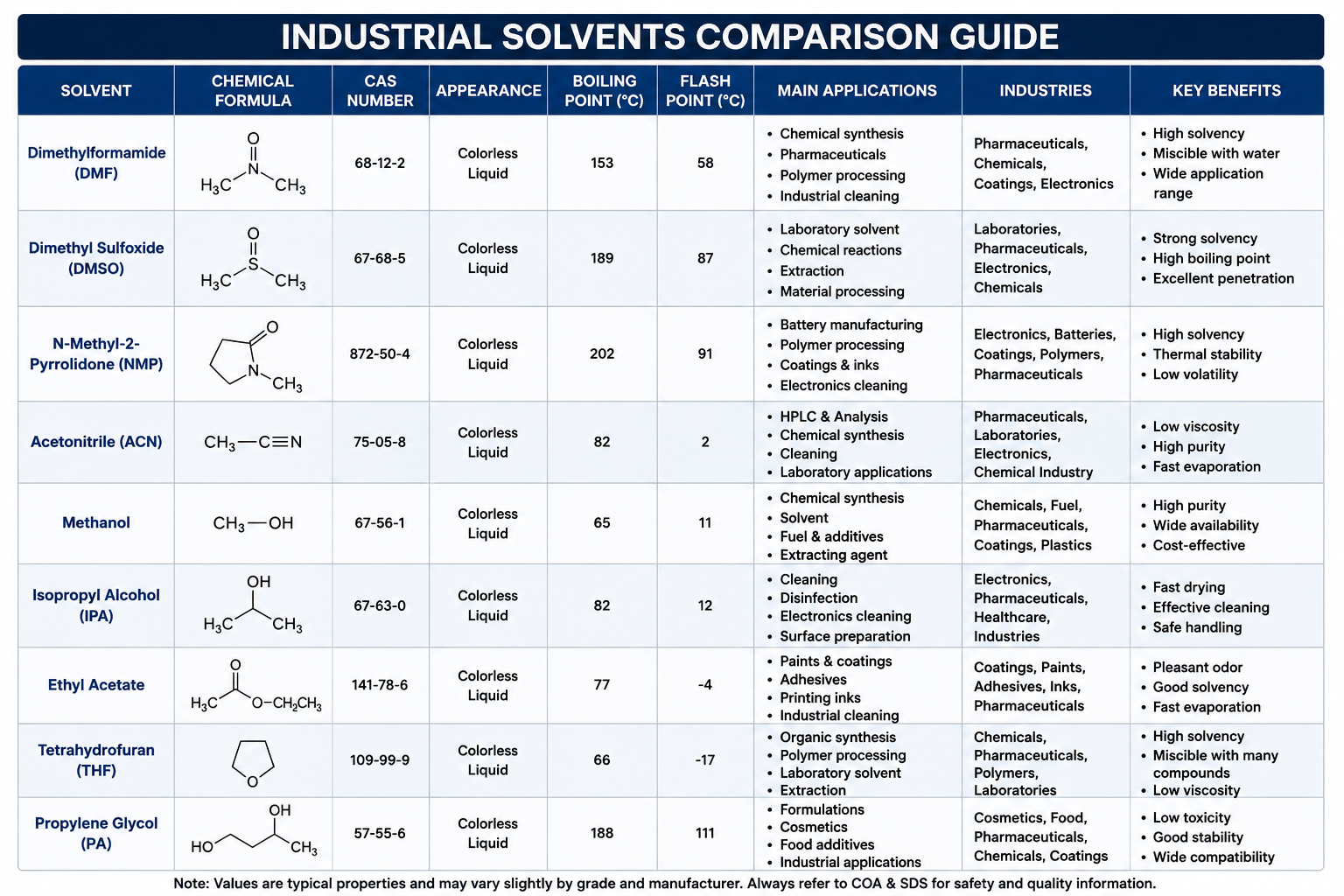
Industrial Chemicals and Solvents

Industrial chemicals play an essential role across many manufacturing sectors.

Solvents are among the most widely used chemical categories because they support processes such as:

Dissolution

Processing

Cleaning

Chemical reactions

Common industrial solvent categories include:

Acetonitrile

DMSO

DMF

Methanol

THF

Isopropyl Alcohol

Ethyl Acetate


Industrial Solvents Supplier

Industrial Solvents Supplier

Specialty Chemicals and Chemical Building Blocks

Specialty chemicals are developed for specific applications where performance and chemical properties are important.

Chemical building blocks help researchers and manufacturers create more complex molecules.

Examples of important chemical categories include:

Heterocyclic Intermediates

Heterocyclic compounds are widely studied in pharmaceutical chemistry because of their unique molecular structures.

Heterocyclic Intermediates Supplier

Heterocyclic Intermediates Supplier

Pyridine Derivatives

Pyridine-based compounds are important nitrogen-containing intermediates used in chemical research and synthesis.

Pyridine Derivatives Supplier

Pyridine Derivatives Supplier

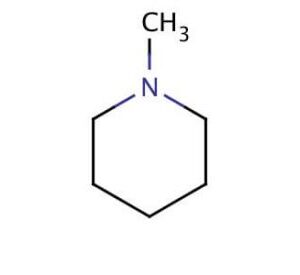
Piperidine Derivatives

Piperidine compounds are another important group of nitrogen-containing chemical intermediates.

Piperidine Derivatives Supplier

Piperidine Derivatives Supplier

Why Chemical Knowledge Matters

Modern chemical industries require more than access to products.

Understanding chemical properties, applications, and industry concepts helps companies make better sourcing decisions.

A strong chemical knowledge resource explains:

Chemical applications

Industry terminology

Manufacturing concepts

Differences between chemical materials

The Sophie Chems Chemical Knowledge Center provides educational guides that connect chemical information with relevant supplier resources.

Chemical Knowledge Center

Chemical Knowledge Center

How to Choose a Chemical Supplier

When selecting a chemical supplier, companies often consider:

Product Information

Clear chemical information helps customers understand materials and applications.

Supply Reliability

Consistent availability supports research and production planning.

Technical Understanding

A knowledgeable supplier understands chemical industry requirements.

Professional Communication

Good communication helps ensure smoother chemical sourcing.

Chemical Supplier Supporting Research and Manufacturing

Chemical suppliers support a wide range of industries by providing materials used in:

Research and development

Manufacturing processes

Chemical synthesis

Industrial applications

The relationship between supplier and customer is built on information, reliability, and professional service.

Sophie Chems Chemical Categories

Sophie Chems focuses on chemical categories including:

Pharmaceutical intermediates

Industrial solvents

Specialty chemicals

Chemical building blocks

Research-related chemical information

The goal is to provide a structured chemical resource where customers can explore products and learn about chemical applications.

Conclusion

A reliable chemical supplier helps industries access important materials while providing the knowledge needed to understand chemical applications.

Sophie Chems combines commercial chemical resources with educational content to support customers looking for pharmaceutical intermediates, industrial chemicals, and specialty chemical information.

Through organized categories, supplier pages, and Chemical Knowledge Center articles, Sophie Chems continues building a structured chemical resource for modern industries.

Submit your review
1
2
3
4
5
Submit
     
Cancel

Create your own review

SophieChems
Average rating:  
 0 reviews

ADHD Stimulant Medications: Types, Benefits, and Best Treatment Options (Complete Guide)

🧠 ADHD Stimulant Medications: Types, Benefits, and Best Treatment Options (Complete Guide)


📌 ADHD Stimulant Medications,ADHD stimulant medications are the most effective and widely prescribed treatments for Attention-Deficit/Hyperactivity Disorder (ADHD). These medications improve focus, reduce impulsivity, and enhance cognitive performance by increasing dopamine and norepinephrine activity in the brain.

They are considered first-line treatment options for both children and adults due to strong clinical effectiveness and fast results.

This guide explains the types, differences, benefits, and commercial treatment options available today.

💊 What Are ADHD Stimulant Medications

ADHD stimulant medications are central nervous system (CNS) stimulants that improve attention and self-regulation by enhancing neurotransmitter activity in key brain regions.

They primarily affect:

Dopamine (focus, motivation, reward)

Norepinephrine (alertness, attention control)

These effects help improve executive function, especially in the prefrontal cortex.


🔷 Types of ADHD Stimulants  Medications

ADHD stimulants are divided into two major categories:

⚡ 1. Amphetamine-Based Stimulants (Stronger Class)

Amphetamine-based medications increase the release of dopamine and norepinephrine.

Common examples:

Dextroamphetamine

Lisdexamfetamine

Mixed amphetamine salts (Adderall-type formulations)


Explore our complete ADHD stimulant medications guide, including amphetamine-based stimulants, methylphenidate options, comparisons, and side effects. Learn more about how these medications work and their global availability.

🔥 Key benefits:

Strong focus and motivation boost

Long-lasting effects (especially extended-release)

Effective for moderate to severe ADHD

⚠️ Considerations:

Higher stimulation intensity

May increase anxiety or insomnia in some users


🧠 Methylphenidate-Based Stimulants 

These medications block dopamine and norepinephrine reuptake.

Common examples:

Methylphenidate

Dexmethylphenidate (Focalin-type medications)


🔥 Key benefits:

Fast onset of action

Easier dose control

Widely used as first-line therapy


⚠️ Considerations:

Shorter duration (depending on formulation)

May require multiple daily dosing (IR forms)


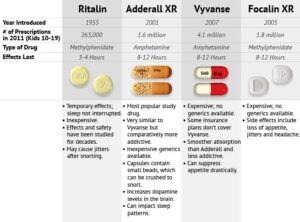
⚖️ Amphetamine vs Methylphenidate 

Feature

Amphetamines

Methylphenidate

Strength

Higher

Moderate

Onset

Moderate

Fast

Duration

Long

Medium

Best for

Severe ADHD

Mild–moderate ADHD

Flexibility

High

Very high

👉 Both are highly effective, but response varies per individual.


💰 Best ADHD Stimulant Medications 

From a prescription + demand perspective, these are the most commonly used globally:


Lisdexamfetamine (long-acting, stable effects)

Methylphenidate extended-release (balanced control)

Mixed amphetamine salts (high efficacy, flexible dosing)


Immediate-release methylphenidate

Dextroamphetamine formulations


🧠 How ADHD Stimulants Improve Performance

These medications improve brain function by enhancing:

Attention span

Working memory

Task completion

Emotional regulation

Impulse control

Most users experience effects within 30–60 minutes depending on formulation.


⏱️ Duration of Action

Immediate-release: 3–6 hours

Extended-release: 8–14 hours

Prodrug (lisdexamfetamine): up to 14 hours


⚠️ Side Effects of ADHD Stimulant Medications

Common:

Reduced appetite

Insomnia

Dry mouth

Mild anxiety

Less common:

Mood swings

Increased heart rate

Irritability

🧪 Are ADHD Stimulant Medications Safe?

When prescribed by a medical professional, ADHD stimulant medications are considered safe and highly effective long-term treatments.

However, risks increase with:

Misuse

Overuse

Non-medical use


🌍 Who Uses ADHD Stimulant Medications?

Children with ADHD

Adults with ADHD

Patients with narcolepsy (in some cases)

Individuals with executive function impairment


📈 Why ADHD Stimulants Dominate Treatment

Clinical evidence shows:

70–85% effectiveness rate

Fast symptom relief

Strong improvement in daily functioning

This is why stimulants remain the gold standard ADHD treatment worldwide.


🧾 Conclusion

ADHD stimulant medications remain the most effective treatment option for ADHD. Whether amphetamine-based or methylphenidate-based, they significantly improve focus, behavior control, and productivity.

Choosing the right medication depends on:

Symptom severity

Duration needs

Individual response

Medical supervision

🏷️

ADHD stimulant medications are prescription treatments used to improve focus, attention, and impulse control in people with ADHD. They work by increasing dopamine and norepinephrine activity in the brain, helping regulate executive function. The two main types are amphetamine-based and methylphenidate-based stimulants, and both are considered first-line treatments due to their strong effectiveness. Common examples include medications like methylphenidate and lisdexamfetamine, which are tailored to individual needs based on symptom severity and response.


#ADHD stimulant medications#

#amphetamine ADHD stimulants#

#methylphenidate ADHD medications#

Pharmaceutical Intermediates UK | High-Purity API & Fine Chemical

Pharmaceutical Intermediates UK – High-Purity API & Fine Chemical Supply Solutions

The pharmaceutical intermediates UK market plays a critical role in modern drug development, API manufacturing, and pharmaceutical research.

We provide high-purity pharmaceutical intermediates, fine chemicals, and custom synthesis compounds to support laboratories, biotech companies, and pharmaceutical manufacturers across the UK and global markets. Pharmaceutical Intermediates Supplier

Our supply chain is built on consistency, regulatory alignment, and quality assurance, ensuring reliable materials for critical scientific and industrial applications.


🧪 What Are Pharmaceutical Intermediates?

Pharmaceutical intermediates are chemical compounds produced during the multi-step synthesis of active pharmaceutical ingredients (APIs).

They are not final drugs themselves, but they are essential building blocks in the drug manufacturing process.


🧬 Why They Matter in Drug Development

Pharmaceutical intermediates are used to:

Build active pharmaceutical ingredients (APIs)

Support drug formulation processes

Enable chemical synthesis pathways

Improve efficiency in pharmaceutical R&D

Without intermediates, modern pharmaceutical manufacturing would not be possible.


⚗️ Pharmaceutical Intermediates UK Supply Overview

The UK pharmaceutical sector relies heavily on consistent and high-quality intermediate for both research and industrial production.UK 5CLABA Precursors Chemical Intermediates & Research Materials

We supply intermediates that meet strict quality expectations for:  Pharmaceutical Intermediates Supplier Pharmaceutical Intermediates Supplier

Pharmaceutical Pharmaceutical

Research laboratories

Biotechnology companies

Chemical synthesis facilities

Our focus is on delivering consistent batch quality and scalable supply solutions.


🧪 Types of Pharmaceutical Intermediates

🧬 API Intermediates

API intermediates are used directly in the synthesis of active pharmaceutical ingredients.

They are critical for producing medications that meet safety and efficacy standards. API Intermediates UK Suppliers 


🧪  Fine Chemicals

Fine chemicals are high-purity compounds used in advanced pharmaceutical formulations and research processes.

They require strict quality control due to their sensitivity in chemical reactions. 🧪  Fine Chemicals


⚗️  Custom Synthesis Compounds

Custom synthesis involves the production of specialized chemical intermediates tailored to specific research or manufacturing needs.

This is essential for:

Pharmaceutical innovation

Experimental drug development

Advanced chemical research


🏭 Applications of Pharmaceutical Intermediates

Pharmaceutical intermediates are widely used across multiple sectors of the chemical and life sciences industry.


🧬 Pharmaceutical Manufacturing

Used in large-scale production of medicines and therapeutic compounds.


🧪 Drug Development & Research

Essential for testing new drug formulations and molecular structures. 5CLABA Precursors Overview 


🧫 Biotechnology Industry

Supports biochemical research and protein-based drug development.


🧠 Academic Research

Used in universities and research institutes for chemical studies and experiments.


🧠 Why High Purity Matters in Pharmaceutical Intermediates

Purity is one of the most important factors in pharmaceutical chemistry.


⚗️  Impact on Drug Safety

Impurities can alter drug behavior and lead to inconsistent results.

🧪 Impact on Reaction Efficiency

High-purity compounds improve reaction yields and reduce side reactions.


🧬 Regulatory Compliance

Pharmaceutical manufacturing must comply with strict international standards.


⚙️ Quality Assurance & Compliance Standards

We operate in alignment with international pharmaceutical and chemical safety standards.

🌐 H3: Regulatory Authorities

https://www.fda.gov⁠�

https://www.ema.europa.eu/en/homepage⁠�

https://www.hse.gov.uk⁠�


🧠 Quality Control Process

Our supply chain includes:

Multi-stage purity testing

Batch consistency verification

Supplier qualification systems

Documentation and traceability


🧪 Pharmaceutical Intermediates UK Supply Chain

A strong supply chain is essential for ensuring reliability in pharmaceutical production.

🔗 Sourcing Process

We work with verified chemical manufacturers to ensure quality and consistency.


🧪  Production Standards

All intermediates undergo strict quality control before distribution.


🚚 Distribution Network

We support both UK and international logistics for timely delivery.

🧠 Benefits of Working with a Reliable Supplier

Choosing a trusted pharmaceutical intermediate supplier ensures:

Consistent product quality

Reliable supply chain stability

Reduced production risks

Scalable bulk availability

Technical sourcing support


🏭 Industries We Serve

Our pharmaceutical intermediates are used across:


💊  Pharmaceutical Companies

Drug manufacturing and formulation.

🧬  Biotechnology Firms

Advanced biological and molecular research.

🧪  Research Laboratories

Experimental chemical synthesis and analysis.

🏭 H3: Chemical Manufacturers

Industrial-scale chemical processing.

🔗

Related Chemical Categories 

To strengthen topical authority, this page connects to:

Laboratory Chemicals UK

Industrial Chemicals UK

Solvents UK

UK Chemical Supplier


🌐 H2: External Authority References

We align with globally recognized regulatory bodies:

https://www.fda.gov⁠�

https://www.hse.gov.uk/


❓ : Frequently Asked Questions

🧬  What are pharmaceutical intermediates used for?

They are used to produce active pharmaceutical ingredients (APIs) in drug manufacturing.


🧪  Are pharmaceutical intermediates safe?

When handled correctly and produced under regulated conditions, they are safe for industrial use.

🏭 Do you supply bulk pharmaceutical intermediates?

Yes, we support both small-scale research and industrial bulk supply.

⚙️  Why is purity important?

High purity ensures safety, consistency, and efficiency in pharmaceutical processes.


High-purity pharmaceutical intermediates in the UK for API manufacturing, drug development, and advanced pharmaceutical research.


#Research Chemicals Supplier#

#Laboratory Research Chemicals UK#

#Pharmaceutical Research Chemicals#
#Research Compounds Suppliers #


🧠 CONCLUSION

The pharmaceutical intermediates sector is a critical foundation of modern drug development and chemical manufacturing. Our supply network ensures high purity, regulatory compliance, and consistent delivery, supporting pharmaceutical innovation across the UK and global markets.


Chemical Analysis Guides, Pharmaceutical Intermediates Supplier, API Intermediates Supplier, Industrial Solvents Supplier China, Acetonitrile Supplier, DMSO Guide, NMP Supplier China, HPLC Analysis Guide, LC-MS and GC-MS Drug Analysis Methods Guide

ADHD Stimulants: Complete Guide to Types, Benefits, Mechanisms & Safety


🧠 ADHD STIMULANTS: COMPLETE GUIDE (MECHANISM, TYPES, BENEFITS & SAFETY) 🦺

ADHD stimulants, are the most widely used and clinically studied medications for Attention-Deficit/Hyperactivity Disorder (ADHD). They are considered first-line treatment in many clinical guidelines due to their strong effectiveness in improving focus, attention, and impulse control.

These medications work by acting on key brain neurotransmitters—primarily dopamine and norepinephrine—which regulate attention, motivation, and executive function.

This guide explains how ADHD stimulants work, their types, benefits, risks, and how they compare to other treatments.

Pharmaceutical Intermediates Suppliers Learn about pharmaceutical intermediates used in drug development and manufacturing. 👉 pharmaceutical-intermediates-suppliers

🧠 What Are ADHD Stimulants?

ADHD stimulants are central nervous system (CNS) medications that enhance brain activity in regions responsible for attention and behavior control.

They primarily increase:

Dopamine levels

Norepinephrine levels

These neurotransmitters help regulate:

Focus

Attention span

Impulse control

Working memory

Research Chemicals for Sale Explore laboratory research compounds, analytical standards, and specialty chemicals used in scientific research. 👉research-chemicals-for-sale/


⚙️ How ADHD Stimulants Work (Mechanism of Action)

ADHD stimulants improve brain signaling by:

Increasing dopamine availability in synapses

Enhancing norepinephrine transmission

Improving communication in the prefrontal cortex

Reducing neural “signal noise”

Result:

Improved attention control

Reduced impulsivity

Better task completion

Enhanced cognitive performance


💊 Types of ADHD Stimulants

🟦 Methylphenidate-Based Stimulants

Examples:

Methylphenidate

Extended-release formulations

Mechanism:

Blocks dopamine and norepinephrine reuptake

Increases neurotransmitter availability


🟥 Amphetamine-Based Stimulants

Examples:

Amphetamine salts

Lisdexamfetamine

Mechanism:

Increases neurotransmitter release

Enhances synaptic signaling efficiency


🧠 Benefits of ADHD Stimulants

ADHD stimulants are associated with:

Improved focus and attention

Reduced hyperactivity

Better impulse control

Increased task completion

Improved academic and work performance.


⚠️ Side Effects of ADHD Stimulants

Common side effects may include:

Reduced appetite

Difficulty sleeping

Increased heart rate

Mild anxiety or irritability

Headache

Most side effects are dose-dependent and manageable under medical supervision. More information and insight Visits our


🌐 External Medical References

https://www.nimh.nih.gov/⁠�

https://www.cdc.gov/ncbddd/adhd/⁠

https://pubmed.ncbi.nlm.nih.gov/⁠�

https://www.fda.gov⁠�


⚖️ ADHD Stimulants vs Non-Stimulants

Feature

Stimulants

Non-Stimulants

Onset

Fast (30–60 min)

Slow (days–weeks)

Effectiveness

High

Moderate

Mechanism

Dopamine + norepinephrine

Norepinephrine only

Misuse risk

Higher

Lower

Non-stimulant examples:

Atomoxetine

Guanfacine

Clonidine


🧪 Effectiveness of ADHD Stimulants

Clinical research shows:

High response rates in ADHD patients

Rapid symptom improvement

Strong evidence base across decades of studies

Sources:

https://pubmed.ncbi.nlm.nih.gov/⁠


🧠 ADHD Stimulants and Brain Function

ADHD stimulants improve activity in the prefrontal cortex, the part of the brain responsible for:

Decision-making

Attention control

Emotional regulation

Working memory

This leads to more stable and controlled cognitive performance.


The ADHD medications ADHD medications prescribed to both children (as young as age 6) and adults are broadly categorized as


Stimulants – considered the first-line treatment for ADHD. Amphetamines fall under this category, along with methylphenidate, the most widely used treatment for ADHD, and their derivatives.1

Nonstimulants – prescribed to patients who don’t tolerate or see benefits from stimulant medications (up to 30 percent of patients do not respond to stimulants2). Four non-stimulants are approved to treat ADHD: atomoxetine, guanfacine, viloxazine, and clonidine. Non-stimulants may also be prescribed for use alongside stimulants to treat symptoms that the latter does not alleviate.


Frequently Asked Questions


What are ADHD stimulants?

They are medications that increase dopamine and norepinephrine activity to improve attention and behavior control.

How fast do ADHD stimulants work?

Most begin working within 30–60 minutes.

Are ADHD stimulants safe?

Yes, when prescribed and monitored by a healthcare professional.

Are stimulants addictive?

They have potential for misuse, which is why medical supervision is important.


Pharmaceutical Raw Materials Learn about sourcing pharmaceutical ingredients, intermediates, and specialty compounds. 👉 pharmaceutical-raw-materials


ADHD stimulant medications

pharmaceutical research compounds

active pharmaceutical ingredients

pharmaceutical intermediates

laboratory research chemicals

chemical raw materials supplier

pharmaceutical manufacturing materials

llaboratory chemical standards


ADHD stimulant medications are among the most widely studied treatments for attention-deficit disorders. Researchers often rely on high-purity research chemicals, laboratory chemicals, and pharmaceutical intermediates during drug development and analytical testing. Learn more about our Research Chemicals, Pharmaceutical Intermediates Suppliers, and China API Suppliers solutions for scientific and industrial applications.


Industrial Solvents & Chemical Raw Materials Explore solvents commonly used in pharmaceutical manufacturing and laboratory processes. 👉 industrial-solvents-chemical-raw-materials-china


🔗  Conclusions

ADHD stimulants remain the most effective and widely used treatment for ADHD. They provide rapid symptom relief and are strongly supported by clinical research, especially when combined with behavioral therapy and lifestyle support.

📈


BPC-157 Peptide: Research, Mechanism, Benefits & Scientific Overview

BPC-157 Peptide: Research Overview, Mechanism of Action & Biological Functions


BPC-157 research peptide   BPC-157 peptide  BPC-157 (Body Protection Compound-157) is a synthetic peptide widely studied in biomedical research for its potential role in tissue repair, angiogenesis, and gastrointestinal protection.

It is primarily investigated in preclinical models and is considered part of the broader class of regenerative research peptides.


 What is BPC-157?

BPC-157 research peptide

BPC-157 is a synthetic peptide derived from a protective protein found in gastric juice. It has been studied in experimental research for its potential biological effects on:

Tissue regeneration

Wound healing pathways

Gastrointestinal protection

Cellular repair mechanisms


 Mechanism of Action of BPC-157

Research suggests BPC-157 may influence several biological systems:

Angiogenesis (formation of new blood vessels)

Growth factor signaling pathways

Nitric oxide regulation

Collagen synthesis modulation

Cytoprotective mechanisms in tissue repair

These pathways are still under investigation in preclinical studies.

H2: BPC-157 and Tissue Repair Research

BPC-157 has been studied in experimental models involving:

Tendon and ligament healing

Muscle injury recovery

Soft tissue regeneration

Accelerated wound healing processes

Its potential regenerative effects are linked to cellular repair signaling pathways.


Gastrointestinal Protection Research

One of the most studied areas of BPC-157 is its potential effect on the gastrointestinal system.

Research models suggest possible involvement in:

Gastric mucosal protection

Intestinal barrier support

Healing of digestive tract lesions


BPC-157 and Angiogenesis

Angiogenesis is the process of new blood vessel formation, which is essential for tissue repair.

BPC-157 has been observed in experimental studies to potentially influence vascular growth and blood flow regulation in damaged tissues.


Comparison With Other Regenerative Peptides

BPC-157 is often studied alongside other peptides such as:

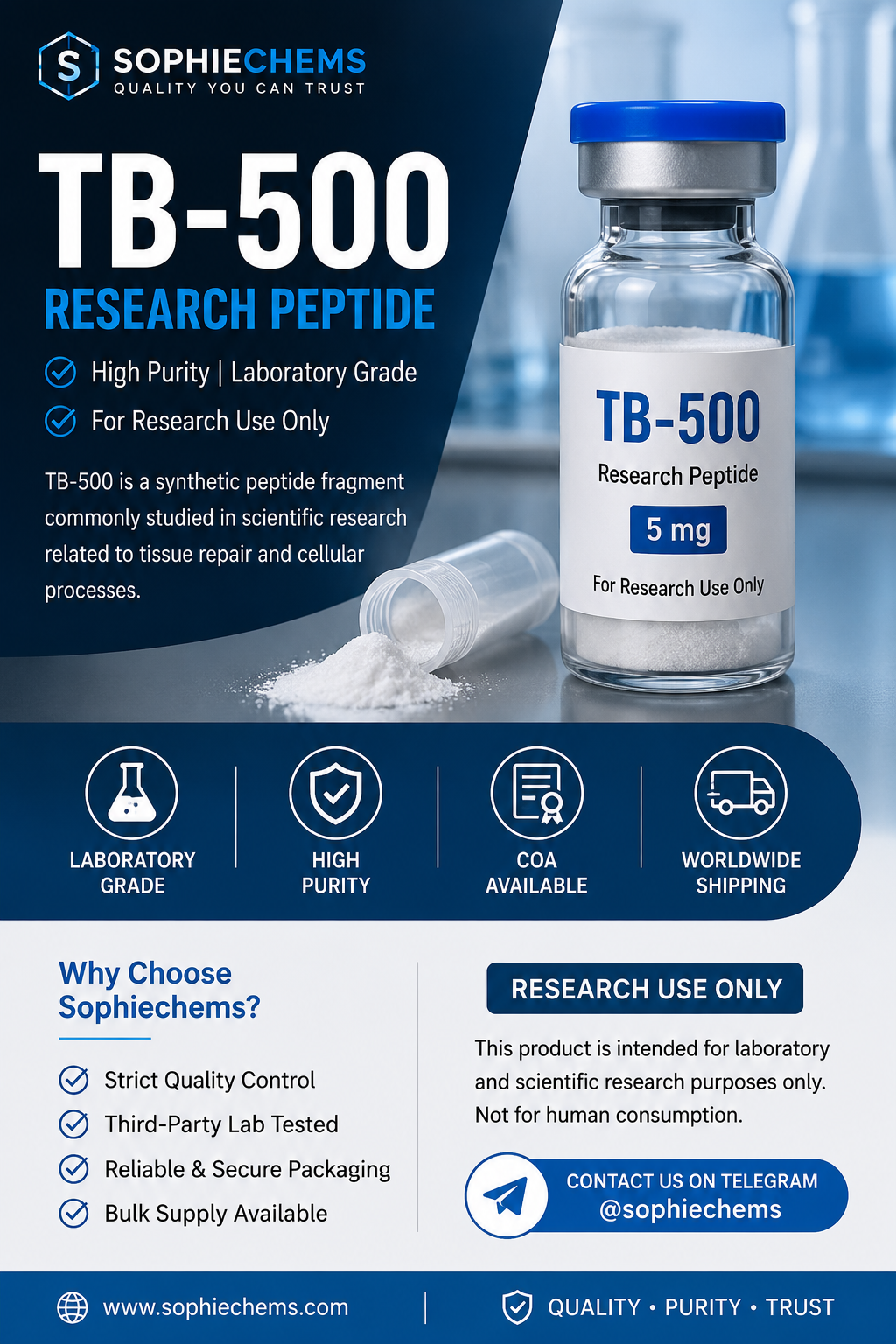
TB-500 (Thymosin Beta-4 fragment)

Growth hormone secretagogues

Other experimental regenerative peptides

These compounds are being researched for overlapping roles in tissue repair biology. Weight Loss Peptides: Types, How They Work & Current Research Trends


Scientific Evidence Overview

Current research on BPC-157 is primarily:

Preclinical (animal studies)

Laboratory-based (cell studies)

Limited in human clinical trials

More research is needed to fully understand its biological effects in humans.

Safety and Research Status

BPC-157 is not an approved pharmaceutical drug in most jurisdictions.

Key points:

Classified as a research compound

Not approved for medical treatment

Safety profile in humans is not fully established

H2: Regenerative Peptides in Biomedical Research

BPC-157 is part of a growing field of research focused on:

Tissue regeneration

Cellular signaling peptides

Growth factor modulation

Healing pathway optimization


Related Research Peptides

Other peptides studied in similar contexts include:

TB-500 (Thymosin Beta-4)

GHK-Cu (Copper peptide)

Growth hormone secretagogues

Thymosin alpha-1

Research on peptide mechanisms is documented in biomedical literature indexed by PubMed and the NIH.

👉

PubMed → https://pubmed.ncbi.nlm.nih.gov⁠�
NIH → https://www.nih.gov⁠�


Frequently Asked Questions (FAQ)

What is BPC-157 used for in research?

It is studied for its potential role in tissue repair, gut protection, and regenerative biology.

Is BPC-157 approved for medical use?

No, it is not approved as a therapeutic drug in most countries.


What is BPC-157 classified as?

It is classified as a synthetic research peptide.

Does BPC-157 have human clinical approval?

Current evidence is mostly preclinical, with limited human studies.https://sophiechems.com/weight-loss-peptides-guide-types-research-trends/Weight lost peptides Research Trends

Conclusion

BPC-157 is a widely studied peptide in regenerative biology research, particularly in the areas of tissue repair, angiogenesis, and gastrointestinal protection mechanisms.

While promising in preclinical studies, further research is required to understand its full therapeutic potential and safety profile.


Nitazene Metabolite Toxicology: LC-MS/MS Analysis, Detection Methods and Forensic Applications

Nitazene Metabolite Toxicology

Nitazene metabolite toxicology is an emerging area of forensic and clinical toxicology focused on the identification, quantification, and interpretation of metabolites produced following exposure to nitazene opioids. As synthetic opioid monitoring expands worldwide, accurate metabolite detection has become increasingly important for toxicological investigations and public health surveillance.


What Are Nitazene Metabolites?

:Definition

Nitazene metabolites are compounds formed when nitazene opioids undergo biotransformation in the body. These metabolites can often be detected in biological samples after the parent compound has been partially or completely metabolized. Quantification of Nitazene Metabolites by LC-MS/M


Importance in Toxicology

Metabolite analysis helps:

Confirm drug exposure

Extend detection windows

Improve analytical sensitivity

Support forensic interpretation

Enhance toxicology screening programs


Metabolism of Nitazene Opioids

Phase I Metabolism

Common metabolic processes include:

N-dealkylation

Hydroxylation

Oxidation

H3: Phase II Metabolism

Further metabolic transformation may involve:

Glucuronidation

Sulfation

Conjugation pathways

These processes generate metabolites that may serve as biomarkers of exposure.


Analytical Detection Methods

H3: LC-MS/MS Analysis

Liquid Chromatography–Tandem Mass Spectrometry (LC-MS/MS) is widely used for nitazene metabolite detection due to its:

High sensitivity

Excellent selectivity

Low detection limits

Quantitative accuracy

H3: High-Resolution Mass Spectrometry

Additional analytical capabilities include:

Accurate mass measurement

Unknown metabolite screening

Retrospective data analysis


Biological Samples Used for Testing

Blood and Plasma

Useful for assessing recent exposure and supporting toxicological interpretation.

Urine

Often contains higher metabolite concentrations and longer detection windows.

Postmortem Specimens

Used in forensic investigations to evaluate potential drug involvement.


Forensic Toxicology Applications

Postmortem Investigations

Metabolite detection assists in:

Drug-related death investigations

Exposure confirmation

Case interpretation

Clinical Toxicology


Laboratories use metabolite screening to support:

Patient monitoring

Exposure assessment

Toxicology consultations

H3: Public Health Monitoring

Metabolite surveillance contributes to:

Emerging drug trend detection

Early warning systems

Epidemiological research


Method Validation Considerations

Accuracy and Precision

Validated methods should demonstrate consistent quantitative performance.

Sensitivity

Detection limits must be sufficiently low to identify trace concentrations.

: Matrix Effects

Analytical methods should account for biological matrix interference.

Specificity

Methods must distinguish nitazene metabolites from other opioid-related compounds.

:Challenges in Nitazene Metabolite Toxicology

Emerging Analogues

The rapid appearance of new nitazene compounds can complicate analytical testing.

Limited Reference Materials

Some metabolites may lack certified analytical standards.


Interpretation Complexity

Metabolite concentrations alone may not provide a complete toxicological assessment and must be interpreted alongside clinical and forensic findings.

Future Directions

Improved Screening Methods

Advanced analytical technologies continue to improve metabolite detection capabilities.

Expanded Toxicology Databases

Growing reference libraries support identification of newly emerging compounds and metabolites.

Enhanced Public Health Surveillance

Continued monitoring improves understanding of synthetic opioid trends and associated risks.


Conclusion

Nitazene metabolite toxicology plays a critical role in modern forensic and clinical toxicology. Through advanced analytical techniques such as LC-MS/MS, laboratories can detect and quantify metabolites that help confirm exposure, support toxicological investigations, and improve public health monitoring. As synthetic opioid research evolves, metabolite analysis will remain essential for accurate detection and interpretation.

Nitazene Metabolites in Forensic Toxicology: Analytical Overview and Detection Methods

Nitazene Metabolites in Forensic Toxicology: Analytical Overview and Detection

Nitazene Metabolites in Forensic Toxicology: Analytical Overview and Detection

Nitazene Metabolites in Forensic Toxicology: Analytical Overview and Detection Methods

🧪 Introduction to Nitazene Metabolite Toxicology

Nitazene opioids are a class of synthetic compounds that undergo extensive metabolic transformation in the human body. In forensic toxicology, the detection of metabolites is often as important as identifying the parent compound, especially in postmortem and clinical cases.

Metabolite-focused toxicology improves detection sensitivity and helps confirm exposure to emerging synthetic opioids.

⚗️ Why Metabolites Matter in Toxicology

In many forensic investigations, parent compounds may degrade or be present at very low concentrations. As a result, metabolite identification becomes critical.

Key reasons metabolites are important:

Improved detection sensitivity

Longer detection windows in biological samples

Confirmation of drug exposure

Support for postmortem interpretation

Identification of emerging synthetic drug use patterns


🧬 Nitazene Class Metabolic Pathways

Nitazene compounds undergo hepatic metabolism primarily through:

N-dealkylation reactions

Oxidation pathways

Hydroxylation processes

Phase I and Phase II biotransformation

These metabolic processes generate multiple detectable metabolites that are used in forensic screening.

🔬 Analytical Detection Methods

Modern toxicology laboratories rely on advanced analytical techniques to identify nitazene metabolites.

Primary methods include:

LC-MS/MS (Liquid Chromatography–Tandem Mass Spectrometry)

High-resolution mass spectrometry (HRMS)

Targeted metabolite screening panels

Non-targeted forensic drug analysis

These methods allow detection at extremely low concentrations in blood, urine, and postmortem samples.


🧠 Forensic Toxicology Applications

Nitazene metabolite detection is used in:

Postmortem drug investigations

Clinical toxicology screening

Seized drug analysis

Public health monitoring systems

Early warning systems for synthetic opioids.


⚖️ Analytical Challenges

Forensic laboratories face several challenges when working with nitazene metabolites:

Limited reference standards

Rapid emergence of new analogues

Low concentration detection limits

Complex biological matrices

Overlapping mass spectral signatures

🧩 Related Forensic Toxicology Topics

Synthetic Opioid Toxicology Overview

LC-MS/MS Drug Detection Methods

Emerging Novel Psychoactive Substances

Opioid Pharmacology and Receptor Activity

Postmortem Toxicology Interpretation.


📌 Conclusion

Nitazene metabolite toxicology is a critical component of modern forensic science. Accurate detection and interpretation of metabolites improve understanding of synthetic opioid exposure and support public health surveillance efforts.


  1. Nitazene Metabolite Toxicology, Forensic Toxic ology, Synthetic Opioids, LC-MS/MS Analysis, Mass Spectrometry, Drug Metabolism, Postmortem Toxicology, Analytical Chemistry, Novel Psychoactive Substances, Drug Detection Methods, Emerging Synthetic opiods

Visit our :Nitazene Opioid Toxicology Homepage Guide


API Intermediates Suppliers | GMP Pharmaceutical Intermediates Manufacturers & Global Supply Guide

API Intermediates Suppliers – Pharmaceutical Raw Material & Intermediate Manufacturer Directory

What Are API Intermediates?

API intermediates suppliers ,API intermediates are chemical compounds used during the multi-step synthesis of Active Pharmaceutical Ingredients (APIs). These intermediates are essential building blocks in pharmaceutical manufacturing and require strict quality and regulatory compliance.


 API Intermediates Supply Overview

The global supply chain for pharmaceutical intermediates involves:

Bulk chemical manufacturing

Contract development and manufacturing (CDMO/CMO)

GMP-certified production facilities

Regulatory-controlled export systems


Explore API Intermediates Supplier Products

Looking for high-quality pharmaceutical raw materials?

Visit our dedicated category for API intermediates supplier products, including high-purity chemical intermediates used in pharmaceutical manufacturing and API synthesis.

👉 Browse full product range here:

API Intermediates Supplier


Types of Pharmaceutical Intermediates

Advanced Intermediates

Used in late-stage synthesis of APIs.

Key Starting Materials (KSM)

Primary raw materials used in early-stage drug synthesis.

Fine Chemical Intermediates

High-purity compounds used in complex formulations.


Quality Standards for API Intermediates Suppliers

To rank and build trust, highlight compliance with:

GMP (Good Manufacturing Practice)

ISO certifications (ISO 9001 / ISO 14001)

Regulatory documentation (COA, MSDS, TDS)

Pharmaceutical-grade purity standards


 API Intermediates Manufacturing Process

Step 1: Raw material sourcing

Step 2: Chemical synthesis & reaction control

Step 3: Purification & crystallization

Step 4: Quality testing (HPLC, GC-MS)

Step 5: Packaging & export compliance


Industries That Use API Intermediates

Pharmaceutical manufacturing companies

Biotechnology firms

Contract research organizations (CROs)

Chemical formulation laboratories


API Intermediates Suppliers – How to Choose a Reliable Partner

H3: Key Evaluation Factors

Manufacturing capability scale

Regulatory compliance history

Supply chain stability

Analytical testing infrastructure

H3: Red Flags to Avoid

Lack of documentation (COA/MSDS)

No GMP certification

Unverified sourcing claims

API Intermediates Suppliers homepage Guide


Global Market Trends in API Intermediates

Rising demand for generic drug manufacturing

Growth of outsourcing to Asia-based CDMOs

Increasing regulatory enforcement in supply chains

Expansion of specialty fine chemicals market


API intermediates suppliers

🥈

pharmaceutical intermediates suppliers

API intermediates manufacturers

bulk API intermediates

pharmaceutical raw materials suppliers

GMP API intermediates suppliers

pharmaceutical intermediate manufacturing companies

high purity API intermediates sourcing

contract API manufacturing intermediates

H2: Internal Linking Structure (Important for Ranking)

Link this page to:

Pharmaceutical intermediates guide (pillar page)

API manufacturing process page

GMP compliance guide

Drug intermediates overview page

H2: On-Page SEO Optimization Checklist

Title includes primary keyword (“API Intermediates Suppliers”)


What are API intermediates used for?

They are used in the synthesis of active pharmaceutical ingredients in drug manufacturing.

What is the difference between API and intermediates?

Intermediates are intermediate chemical compounds, while APIs are the final biologically active substances.

Who uses API intermediates?

Pharmaceutical companies, chemical manufacturers, and research organizations.

📈 API Pharmaceutical Intermediates Homepage Guide

Vsist Pharmaceutical API Intermediates Homepage Guide

Conclusions

API intermediates are a critical part of the pharmaceutical manufacturing chain, serving as essential building blocks in the synthesis of active pharmaceutical ingredients (APIs). Because they sit between raw materials and final drug substances, their quality, consistency, and regulatory compliance directly influence the safety and effectiveness of finished medicines.

From a supply and industry perspective, demand for API intermediates continues to grow due to expanding global pharmaceutical production and increasing outsourcing to specialized manufacturers and CDMO facilities. However, the sector is highly regulated, with strict requirements such as GMP standards, documentation, and quality control testing.

For businesses and researchers, understanding API intermediates means focusing on process reliability, regulatory compliance, and supply chain integrity rather than just chemical sourcing. Companies that meet international quality standards and maintain transparent manufacturing practices are typically better positioned in the global market.

Overall, API intermediates remain a foundational segment of modern pharmaceutical production, linking chemical synthesis with real-world therapeutic applications.


Chemical Analysis Guides, Pharmaceutical Intermediates Supplier, API Intermediates Supplier, Industrial Solvents Supplier China, Acetonitrile Supplier, DMSO Guide, NMP Supplier China, HPLC Analysis Guide, LC-MS and GC-MS Drug Analysis Methods Guide

Weight Loss Diet Plan for Beginners: Easy Meal Plan to Lose Weight

Weight Loss Diet Plan for Beginners

Discover the best weight loss diet plan for beginners with healthy meals, fat-burning foods, and easy nutrition tips. Start losing weight naturally today.


Starting a weight loss journey can feel overwhelming, especially with so many diets and fitness trends online. The good news is that beginners do not need complicated routines or expensive programs to lose weight successfully.

A simple and healthy weight loss diet plan focused on calorie control, high-protein foods, and balanced meals can help you burn fat naturally while improving your energy and overall health.In this beginner-friendly guide, you will discover the best foods for weight loss, a simple meal plan, and proven strategies that support sustainable fat loss.

Why a Beginner Weight Loss Diet Plan Works.

The best diet plans for beginners focus on consistency instead of extreme restrictions. Healthy eating habits combined with portion control can help create a calorie deficit, which is essential for weight loss.

Benefits include:
Healthy fat loss
Better metabolism
Increased energy levels
Reduced cravings
Improved digestion
Better long-term weight management
A beginner-friendly diet should be easy to follow and realistic for everyday life.

Best Foods for Weight Loss

Choosing nutrient-dense foods is one of the most important steps in any successful weight loss meal plan.
High-Protein Foods
Protein helps control hunger and supports muscle retention during fat loss.
Examples include:
Eggs
Chicken breast
Fish
Greek yogurt
Lean beef
Tofu
Protein shakes
Healthy Carbohydrates
Healthy carbs provide energy and help maintain balanced blood sugar levels.
Best options:
Brown rice
Oatmeal
Sweet potatoes
Whole grains
Quinoa
Fruits
Healthy Fats
Healthy fats help keep you full longer and support hormone function.

Examples:

Avocados
Olive oil
Nuts
Seeds
Peanut butter
Vegetables for Fat Loss
Vegetables are low in calories and rich in fiber.
Top choices:
Broccoli
Spinach
Kale
Cucumbers
Carrots
Bell peppers

7-Day Weight Loss Diet Plan for Beginners

Day 1
Breakfast
Oatmeal with berries and almonds
Lunch
Grilled chicken salad with olive oil dressing
Dinner
Baked salmon with vegetables
Snack
Greek yogurt
Day 2
Breakfast
Boiled eggs with whole-grain toast
Lunch
Turkey sandwich with salad
Dinner
Brown rice with grilled chicken and broccoli
Snack
Apple slices with peanut butter
Day 3
Breakfast
Protein smoothie with banana and oats
Lunch
Tuna salad with mixed greens
Dinner
Sweet potato with lean beef and vegetables
Snack
Mixed nuts
Day 4
Breakfast
Greek yogurt with granola
Lunch
Chicken wrap with vegetables
Dinner
Grilled fish with quinoa
Snack
Carrot sticks
Day 5
Breakfast
Scrambled eggs with spinach
Lunch
Rice bowl with chicken and avocado
Dinner
Turkey meatballs with salad
Snack
Protein shake
Day 6
Breakfast
Oatmeal with banana
Lunch
Grilled chicken with brown rice
Dinner
Baked fish with vegetables
Snack
Fruit salad
Day 7
Breakfast
Whole-grain toast with eggs
Lunch
Healthy chicken salad
Dinner
Lean steak with sweet potatoes
Snack
Greek yogurt

Beginner Weight Loss Tips That Actually Work

1. Stay in a Calorie Deficit
Weight loss happens when you consume fewer calories than your body burns.
A moderate calorie deficit is healthier and easier to maintain long term.

Eating well  Tips

2. Increase Protein Intake
High-protein meals help reduce hunger and support fat burning.
Protein is essential for preserving muscle while losing weight.

3. Drink More Water
Water helps improve digestion and reduces unnecessary snacking.
Aim for at least 2 liters daily.

4. Avoid Processed Foods
Reduce:
Sugary drinks
Fast food
Candy
Fried foods
Processed snacks
These foods are often high in calories and low in nutrients.

5. Exercise Regularly
Combine your diet plan with:
Walking
Cardio workouts
Strength training
Home workouts
Even light activity can improve fat loss results.

Common Beginner Weight Loss Mistakes

Many beginners struggle because they:
Skip meals
Follow extreme diets
Eat too little protein
Ignore sleep quality
Expect instant results
Sustainable fat loss requires patience and consistency.

Best Supplements for Beginners

Some beginners also use supplements alongside healthy eating and exercise.
Popular options include:
Whey protein
Fat burners
GLP-1 weight loss support
Fiber supplements
Multivitamins
Always choose high-quality products and consult a healthcare professional before starting supplements.

Visit our weight Lost supplements home page Guide

Best Beginner Weight Loss Meal Plan in 2026

Best Beginner Weight Loss Meal Plan in 2026

Final Thoughts

The best weight loss diet plan for beginners is one that is simple, balanced, and sustainable. Focus on healthy foods, portion control, and consistent habits instead of extreme dieting.

Small daily improvements can lead to major long-term results. Start with simple meals, stay active, and gradually build a healthier lifestyle that supports lasting fat loss.


Back to Top
Product has been added to your cart

Customer Reviews

SOPHIE CHEMS

Customer Testimonials

Lolo 02-07-2023

Trustpilot
I've ordered several times from SophieChems and have always had excellent service, with items arriving promptly and in good condition.

Jennifer 07-06-2023

Google
I gave them five stars because they are speedy and exact with returns. They offer high-quality products at reasonable costs, and their delivery is both quick and reliable.

Patrice Martin-Carroll 26-05-2023

Google
Good site with easy payment choices, excellent assistance, and excellent staff. Because reputable suppliers are hard to come by, a greater product selection would be beneficial.

MichelleE 04-05-2023

Trustpilot
I've been a long-time user of this site, and while things have changed recently, I've found that patience has paid off.
Not only did I receive my purchase, but he also sent me an older order. They have communicated with me and have proven to me that I can trust him because they are simply overworked. Thank you for being such a terrific company, SophieChems!

S K HOWARD 17-04-2023

Trustpilot
I discovered this organization through a Google search and am quite pleased with my decision. The builders' buckets arrived immediately and at a reasonable price. These are also made in the EU and are of good quality, far superior to anything available from a large DIY retailer.

Enriq Orti 29-03-2023

Google
SophieChems is one of the top internet stores in my opinion. I have faith in Research Chemicals and would like to get cannabinoids from this store because it is convenient for me.

Heidi Hurst 08-03-2023

Google
Great, honest, and dependable research firm that has proven to be 100 percent dependable and of good value in the past. I strongly advise anyone to visit the Sophie store and place an order as soon as possible!

Ha Nguyen 15-02-2023

Google
SophieChems has the best customer service; this was my first time ordering from them, and the experience was fantastic... I got bromazolam powder online, and it arrived in the United States on time (in 13 days). My plants yielded the expected outcomes. Thank you for the discount as well, guys; keep up the fantastic work.

Buzz Lightyear 27-01-2023

Google
SophieChems has a fantastic webpage. This is my second order from them, and they have always delivered high-quality things on time. I'm confident I'll be a repeat buyer!

Danielle 01-01-2023

Trustpilot
The website is simple to navigate. Customer service that is both excellent and responsive. I would recommend it to anyone searching for the greatest chems online. Shipping can take a while, but that's to be anticipated.