


What Are Pyridine Derivatives? Complete Guide to Pharmaceutical Applications and Chemical Uses.✅
What Are Pyridine Derivatives. They’re an important class of nitrogen-containing heterocyclic compounds widely used in pharmaceutical research, chemical synthesis, fine chemicals, and industrial applications. Due to their unique molecular structure and versatile chemical properties, pyridine-based compounds play a significant role as building blocks in the development of pharmaceutical intermediates, active pharmaceutical ingredients (APIs), and specialty chemicals.
In modern chemical manufacturing, pyridine derivatives are valued because they can be modified through different chemical reactions to create complex molecules with specific properties. Their importance continues to grow as pharmaceutical companies and research organizations develop new compounds for healthcare and advanced chemical applications.
Sophie Chems provides information and solutions related to chemical intermediates, including pyridine derivatives, heterocyclic intermediates, pharmaceutical intermediates, and specialty chemical building blocks used in various chemical industries.
What Are Pyridine Derivatives? ✅
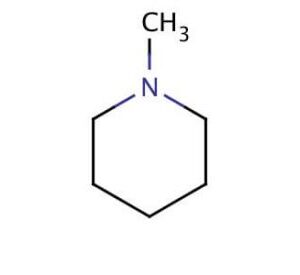
Pyridine derivatives are compounds based on the pyridine ring structure, which contains a six-membered aromatic ring with one nitrogen atom replacing a carbon atom.
The basic pyridine structure is similar to benzene, but the replacement of one carbon atom with nitrogen gives pyridine unique chemical characteristics. This nitrogen atom influences the compound’s reactivity, polarity, and ability to participate in chemical reactions.
By modifying the pyridine ring with different functional groups, chemists can create a wide range of pyridine derivatives, including:
Aminopyridines
Chloropyridines
Bromopyridines
Fluoropyridines
Cyanopyridines
Methylpyridines
Pyridine carboxylic acid derivatives
These compounds are widely used as intermediates in pharmaceutical synthesis and advanced chemical manufacturing.
Chemical Structure and Properties of Pyridine Derivatives
The pyridine molecule has the formula C₅H₅N and contains an aromatic nitrogen heterocycle. The nitrogen atom provides unique chemical behavior compared with carbon-based aromatic compounds.
Important properties of pyridine derivatives include:
Nitrogen-Containing Structure
The nitrogen atom allows pyridine derivatives to participate in:
Hydrogen bonding
Coordination chemistry
Nucleophilic reactions
Molecular interactions
These characteristics make pyridine compounds valuable in medicinal chemistry.
Chemical Versatility
Pyridine derivatives can be modified at different positions on the aromatic ring, allowing scientists to design compounds with specific characteristics.
PubChem – Pyridine Information
Pyridine chemical properties and database information
Purpose: Reference for chemical structure, formula, and properties.
Common substitution positions include:
2-position
3-position
4-position
Different substitutions create different chemical properties and applications.
Why Are Pyridine Derivatives Important?
Pyridine derivatives are considered key chemical building blocks because they are used across multiple industries.
Their importance comes from:
Wide pharmaceutical applications
Role in API development
Use in organic synthesis
Value in research and development
Versatility as chemical intermediates
Many modern pharmaceutical compounds contain pyridine structures because the ring can improve molecular activity, stability, and chemical performance.
Types of Pyridine Derivatives
Aminopyridines
Aminopyridines contain an amino group attached to the pyridine ring.
Examples include:
2-Aminopyridine
3-Aminopyridine
4-Aminopyridine
Aminopyridines are commonly used in pharmaceutical research and medicinal chemistry due to their ability to participate in further chemical reactions.
2-Aminopyridine Supplier
Explore an important aminopyridine intermediate used in pharmaceutical and chemical synthesis.
Chloropyridines
Chloropyridines contain a chlorine substitution on the pyridine ring.
Examples include:
2-Chloropyridine
3-Chloropyridine
4-Chloropyridine
These compounds are widely used as intermediates for preparing more complex chemical structures.
2-Chloropyridine Supplier
Discover a widely used pyridine derivative for pharmaceutical intermediate applications.
Bromopyridines
Bromopyridines are valuable halogenated pyridine intermediates.
Examples include:
2-Bromopyridine
3-Bromopyridine
5-Bromo-2-aminopyridine
The bromine group provides useful reactivity for chemical transformation.
Fluoropyridines
Fluoropyridines contain fluorine atoms attached to the pyridine ring.
Examples include:
2-Fluoropyridine
3-Fluoropyridine
4-Fluoropyridine
Fluorinated compounds are important in pharmaceutical chemistry because fluorine can influence molecular properties.
2-Fluoropyridine Supplier
Learn about fluorinated pyridine building blocks used in advanced chemical synthesis.
Cyanopyridines
Cyanopyridines contain a cyano functional group attached to the pyridine structure.
Examples include:
3-Cyanopyridine
4-Cyanopyridine
They are valuable intermediates in pharmaceutical and fine chemical synthesis.
3-Cyanopyridine Supplier (k;(;)
Explore cyanopyridine intermediates for chemical research and manufacturing applications.
Pyridine Derivatives as Heterocyclic Intermediates
Pyridine derivatives belong to the larger family of heterocyclic compounds.
Heterocyclic intermediates are compounds containing atoms such as nitrogen, oxygen, or sulfur within their ring structures.
These compounds are essential in:
Pharmaceutical development
Organic chemistry
Fine chemical production
Research laboratories
Heterocyclic Intermediates Supplier
Heterocyclic Intermediates Supplier
Discover important heterocyclic building blocks used in pharmaceutical and chemical industries.
Common Industrial Applications of Pyridine Derivatives
Pyridine derivatives have applications across several chemical sectors.
Main application areas include:
Pharmaceutical manufacturing
Medicinal chemistry
API intermediate production
Chemical research
Specialty chemical development
Their ability to undergo different chemical reactions makes them suitable for creating advanced molecules.
Pharmaceutical Applications of Pyridine Derivatives
Pyridine derivatives are widely used in the pharmaceutical industry because the pyridine ring can improve the chemical and biological properties of many molecules. Many pharmaceutical compounds contain pyridine structures because they provide flexibility during drug design and chemical modification.
In pharmaceutical manufacturing, pyridine derivatives are often used as:
Pharmaceutical intermediates
API building blocks
Key synthetic materials
Research compounds
Chemical starting materials
Their role in medicinal chemistry makes them an important category within pharmaceutical intermediates.
National Center for Biotechnology Information (NCBI) NCBI)
pharmaceutical and medicinal chemistry research resources
Purpose: Support pharmaceutical research context
Pharmaceutical Intermediates Supplier
Pharmaceutical Intermediates Supplier
Explore chemical intermediates used in pharmaceutical synthesis and API development.
Role of Pyridine Derivatives in API Development
Active Pharmaceutical Ingredient (API) development requires carefully designed chemical structures that can achieve specific properties.
Pyridine derivatives support API development because they can help scientists create molecules with:
Improved chemical stability
Controlled molecular properties
Better structural flexibility
Advanced synthetic pathways
During pharmaceutical synthesis, pyridine intermediates can be modified through different reactions to produce complex pharmaceutical compounds.
They are commonly studied in areas such as:
Medicinal chemistry
Drug discovery research
Pharmaceutical formulation development
Chemical optimization
Pyridine Derivatives in Organic Synthesis
Organic synthesis depends on reliable chemical building blocks that allow scientists to create more complex molecules.
Pyridine derivatives are valuable because they can participate in many chemical reactions, including:
Substitution reactions
Coupling reactions
Functional group transformations
Ring modification processes
This versatility makes them useful in both laboratory research and industrial chemical production.
European Chemicals Agency (ECHA)
chemical safety and regulatory information
Purpose: Support chemical safety/compliance information.
Industrial Uses of Pyridine Derivatives
Beyond pharmaceutical applications, pyridine derivatives are also important in several industrial sectors.
Fine Chemical Manufacturing
Fine chemical manufacturers use pyridine derivatives to produce specialized compounds with high-value applications.
Uses include:
Advanced chemical intermediates
Specialty chemical production
Research materials
Chemical Research and Development
Research laboratories use pyridine compounds to study:
Chemical reactions
Molecular structures
New synthetic methods
Advanced materials
Their predictable chemical behavior makes them useful tools in chemical innovation.
Specialty Chemical Applications
Pyridine derivatives are used as components in the development of specialty chemicals where precise molecular properties are required.
Applications may include:
Chemical process development
Intermediate production
Industrial research
Importance of Halogenated Pyridine Derivatives
Halogenated pyridine derivatives are among the most important groups because halogen atoms such as chlorine, bromine, and fluorine provide useful chemical reactivity.
Examples include:
2-Chloropyridine
2-Chloropyridine is an important pyridine intermediate used in chemical synthesis and pharmaceutical research.
2-Chloropyridine Supplier
Explore a commonly used chloropyridine intermediate for chemical applications.
2-Bromopyridine
Brominated pyridine compounds are useful intermediates because the bromine group allows further chemical modification.
Applications include:
Organic synthesis
Pharmaceutical research
Advanced intermediate preparation
2-Fluoropyridine
Fluorinated pyridine compounds are important in medicinal chemistry because fluorine can influence molecular properties.
2-Fluoropyridine Supplier
Description: Discover fluorinated pyridine building blocks used in chemical synthesis.
Aminopyridines and Their Importance
Aminopyridines are pyridine derivatives containing an amino group attached to the aromatic ring.
Common examples include:
2-Aminopyridine
3-Aminopyridine
4-Aminopyridine
These compounds are widely used in:
Pharmaceutical research
Chemical synthesis
Heterocyclic chemistry
Their amino group provides additional reaction possibilities, making them useful intermediates.
3-Aminopyridine Supplier
Learn about another aminopyridine building block used in pharmaceutical chemistry.
Cyanopyridines in Chemical Synthesis
Cyanopyridines contain a cyano group attached to the pyridine structure.
They are important because the cyano functional group can be transformed into other useful chemical structures.
Applications include:
Pharmaceutical intermediate development
Organic synthesis
Specialty chemical manufacturing
Example:
3-Cyanopyridine Supplier
Description: Explore cyanopyridine intermediates used in advanced chemical applications.
Benefits of Using Pyridine Derivatives
Pyridine derivatives provide several advantages for chemical industries:
Versatile Chemical Structure
Their nitrogen-containing ring allows many possible chemical modifications.
Wide Range of Applications
Used across:
Pharmaceutical industries
Chemical manufacturing
Research organizations
Fine chemical sectors
Valuable Synthetic Building Blocks
They help simplify the production of complex chemical molecules.
Support Advanced Research
Their flexibility supports innovation in medicinal chemistry and chemical development.
Pyridine Derivatives and Heterocyclic Chemistry
Heterocyclic chemistry is one of the most important areas of modern chemical science.
Pyridine derivatives are a major part of this field because nitrogen-containing rings appear frequently in pharmaceutical compounds.
Understanding pyridine chemistry helps researchers develop:
New pharmaceutical molecules
Advanced intermediates
Specialty chemical products
Heterocyclic Intermediates Supplier
Heterocyclic Intermediates Supplier
Explore important heterocyclic compounds used in pharmaceutical and chemical synthesis.
Market Demand and Future Importance of Pyridine Derivatives
The demand for pyridine derivatives continues to grow because of their importance in pharmaceutical research, chemical manufacturing, and specialty chemical development.
As the pharmaceutical industry continues to discover and develop new molecules, the need for reliable heterocyclic intermediates and chemical building blocks remains strong.
Key factors supporting demand include:
Growth of pharmaceutical research
Increasing development of advanced intermediates
Expansion of medicinal chemistry
Need for specialized chemical synthesis
Innovation in fine chemical manufacturing
Pyridine derivatives remain an important category because their structure allows scientists to design and develop complex molecules for various applications.
Pyridine Derivatives in Modern Chemical Manufacturing
Modern chemical manufacturing depends on efficient synthetic pathways and reliable raw materials.
Pyridine derivatives support manufacturers by providing:
Flexible reaction options
Consistent chemical building blocks
Intermediate compounds for complex synthesis
Support for research and development
Chemical companies often select pyridine-based intermediates because they can be adapted for different synthesis processes.
Choosing a Reliable Pyridine Derivatives Supplier
Selecting a dependable supplier is important for companies requiring chemical intermediates.
Important supplier considerations include:
Product Quality
High-quality chemical materials support:
Reliable research results
Manufacturing consistency
Better process control
Technical Documentation
Professional suppliers typically provide information such as:
Product specifications
Chemical data
Safety documentation
Quality information
Supply Capability
A stable supply chain helps customers maintain their research and production schedules.
Pyridine Derivatives Supplier
Explore a range of pyridine-based chemical intermediates for pharmaceutical and industrial applications.
Related Pyridine Derivative Products
Sophie Chems provides information about different pyridine-related chemical categories, including:
2-Aminopyridine Supplier
Aminopyridine intermediate used in pharmaceutical research and chemical synthesis.
3-Aminopyridine Supplier
A nitrogen-containing building block used in advanced chemical applications.
2-Chloropyridine Supplier
A chlorinated pyridine intermediate used for chemical modification and synthesis.
2-Fluoropyridine Supplier
A fluorinated pyridine compound used in medicinal chemistry and research.
3-Cyanopyridine Supplier
A cyanopyridine intermediate used in pharmaceutical and specialty chemical applications.
What are pyridine derivatives?
Pyridine derivatives are chemical compounds based on the pyridine ring structure, containing one nitrogen atom in an aromatic six-membered ring. They are widely used as intermediates in pharmaceutical and chemical synthesis.
What are pyridine derivatives used for?
Pyridine derivatives are used in pharmaceutical manufacturing, API development, medicinal chemistry, organic synthesis, fine chemicals, and research applications.
Why are pyridine derivatives important in pharmaceuticals?
Pyridine structures are common in medicinal chemistry because they provide useful chemical properties and allow scientists to develop complex pharmaceutical molecules.
What industries use pyridine derivatives?
Industries using pyridine derivatives include pharmaceuticals, chemical manufacturing, fine chemicals, research laboratories, and specialty chemical production.
Are pyridine derivatives considered heterocyclic compounds?
Yes. Pyridine derivatives are nitrogen-containing heterocyclic compounds because their ring structure contains a nitrogen atom.
What are common examples of pyridine derivatives?
Common examples include aminopyridines, chloropyridines, bromopyridines, fluoropyridines, and cyanopyridines.
What is the role of pyridine derivatives in API synthesis?
They act as important intermediate building blocks that help create more complex molecules used during pharmaceutical development.
How can I learn more about chemical intermediates?
Explore the Sophie Chems Chemical Knowledge Center for educational guides about pharmaceutical intermediates, solvents, and chemical applications.
Chemical Knowledge Center
Discover chemical guides, industry insights, and educational resources.
Conclusion
Pyridine derivatives are essential nitrogen-containing heterocyclic compounds used throughout pharmaceutical chemistry, organic synthesis, and industrial chemical development.
Their versatility, chemical stability, and ability to participate in different reactions make them valuable building blocks for creating advanced intermediates and specialty chemicals.
From aminopyridines and chloropyridines to fluoropyridines and cyanopyridines, these compounds support many areas of modern chemical research and manufacturing.
For companies and researchers looking for reliable chemical information and sourcing solutions, understanding pyridine derivatives provides valuable insight into their applications and importance within the pharmaceutical and chemical industries.
Pharmaceutical Intermediates Supplier, Heterocyclic Intermediates, Pyridine Chemical Building Blocks, API Intermediates, Fine Chemical Supplier, Chemical Synthesis Intermediates
Heterocyclic Compounds, Pharmaceutical Intermediates, API Intermediates, Chemical Building Blocks, Aminopyridine, Chloropyridine, Fluoropyridine, Cyanopyridine, Fine Chemicals