

BPC-157 Research Peptide Supplier
BPC-157 Peptide for Laboratory Research .BPC-157 Supplier, BPC-157 is a synthetic peptide sequence that has attracted interest in scientific research due to its unique structure and biological activity observed in preclinical studies. Researchers investigate BPC-157 in laboratory environments to better understand peptide mechanisms, cellular signaling pathways, tissue processes, and molecular interactions.
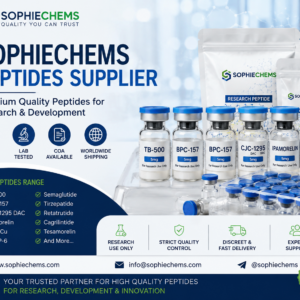
Sophiechems provides BPC-157 research peptide products for qualified laboratories, research institutions, and industrial customers requiring reliable supply, documentation, and quality testing information.
Research Peptides Supplier
Peptide Research Guide
COA Testing for Research Chemicals
COA Testing for Research Chemicals
What Is BPC-157?
BPC-157 (Body Protection Compound-157) is a synthetic peptide consisting of 15 amino acids. It was originally studied as a peptide fragment related to protective proteins found in gastric environments.
Research interest around BPC-157 focuses on:
Peptide structure analysis
Molecular mechanisms
Cellular research applications
Laboratory investigation models
Protein–peptide interactions
Like other research peptides, BPC-157 is studied under controlled laboratory conditions and is not approved as a pharmaceutical product for human use.
What Are Research Peptides?
Peptide Synthesis Process
Laboratory Research Chemicals
BPC-157 Chemical Information
BPC-157 Specifications
Property
Information
Product Name: BPC-157 Peptide
Category :Research Peptide
Sequence :15 amino acids
Purity
Available with analytical testing
Application
Laboratory research
Documentation
COA / Quality Report
Why Researchers Study BPC-157
Scientific publications have explored BPC-157 in different experimental models, including:
Peptide stability studies
Cellular response research
Molecular pathway investigation
Biological mechanism research
Researchers typically evaluate:
Peptide activity
Structural characteristics
Interaction with biological systems
Analytical properties
Peptide Analysis Methods
HPLC Testing Guide
LC-MS Analysis Guide
BPC-157 Research Applications
BPC-157 research is commonly associated with laboratory studies involving:
Peptide Biology Research
Scientists study how synthetic peptides interact with biological systems and how peptide structures influence molecular activity.
Molecular Research
BPC-157 is investigated as part of broader peptide research programs examining signaling pathways and protein interactions.
Analytical Chemistry
Laboratories may analyze:
Purity
Molecular weight
Peptide identity
Stability characteristics
Why Choose Sophiechems as a BPC-157 Supplier?
Sophiechems focuses on providing research chemicals and peptide products with professional documentation and international supply capability.
Benefits include:
✔ Research-grade peptide supply
✔ Batch documentation
✔ COA availability
✔ Bulk order support
✔ International shipping experience
✔ Technical product information
Sophiechems Research Peptides Category
Sophiechems Research Peptides Category
Laboratory Chemicals Supplie
Chemical Quality Control Guide
BPC-157 Manufacturing Process
Quality Testing (HPLC, MS)
COA & Documentation
Storage Requirements
BPC-157 vs Other Research Peptides
How BPC-157 Research Peptides Are Manufactured
BPC-157 production involves advanced peptide synthesis techniques used by specialized laboratories to create precise amino acid sequences for research applications.
Synthetic peptide manufacturing generally includes several controlled stages:
1. Peptide Chain Assembly
BPC-157 is produced through step-by-step amino acid assembly. Each amino acid is added according to the required peptide sequence while protecting groups help maintain accuracy during synthesis.
The process requires:
Controlled reaction conditions
Purification procedures
Analytical verification
Quality control testing
Internal Links:
Peptide Synthesis Guide
How Research Peptides Are Made
Pharmaceutical Intermediates Supplier
2. Purification Process
After synthesis, crude peptide material undergoes purification to remove unwanted by-products and impurities.
Common purification methods include:
High Performance Liquid Chromatography (HPLC)
HPLC is widely used in peptide research laboratories to separate and measure peptide purity.
Researchers use HPLC analysis to evaluate:
Purity percentage
Impurity profile
Batch consistency
HPLC Analysis Guide
Chemical Testing Services
3. Mass Spectrometry Identification
Mass spectrometry (MS) is another important analytical method used to confirm peptide identity.
MS testing helps researchers verify:
Molecular weight
Peptide structure
Product consistency
LC-MS Analysis Guide
Analytical Chemistry Resources
Analytical Chemistry Resources
BPC-157 Quality Control Standards
Reliable research peptide suppliers provide documentation to support laboratory evaluation.
Important quality documents include:
Certificate of Analysis (COA)
A COA provides information about a specific production batch.
Typical COA information includes:
Product name
Batch number
Test methods
Purity results
Testing date
Laboratory information
Internal Links:
COA Certificate Guide
Research Chemical Quality Control
Analytical Testing Methods for BPC-157
Laboratories may use multiple analytical methods to evaluate peptide products.
HPLC Testing
Used to determine purity and identify peptide-related components.
Mass Spectrometry
Used for molecular confirmation.
Other Laboratory Methods
Depending on research requirements, additional analytical techniques may be applied.
BPC-157 Storage and Handling Information
Proper storage conditions help maintain peptide quality during laboratory use.
General research peptide storage considerations include:
Protection from moisture
Controlled temperature conditions
Limited exposure to light
Proper laboratory handling procedures
Researchers should always follow institutional safety procedures and supplier documentation.
CJC-1295 DAC Research Peptide
Growth Hormone Research Peptides
Growth Hormone Research Peptides
Selecting a BPC-157 Research Peptide Supplier
When evaluating suppliers, laboratories commonly consider:
Product Documentation
A professional supplier should provide:
Product specifications
COA documentation
Technical information
Manufacturing Transparency
Important factors include:
Quality control procedures
Batch testing
Consistent supply capability
Supply Capability
For research organizations requiring larger quantities, suppliers should support:
Bulk inquiries
Custom requirements
International logistics
Bulk Research Chemicals Supplier
Bulk Research Chemicals Supplier
Custom Peptide Manufacturing
Sophiechems BPC-157 Research Peptide Supply
Sophiechems provides research peptide solutions for laboratories and companies requiring dependable chemical supply.
H2: BPC-157 Research Peptide Product Information
Sophiechems provides BPC-157 research peptide products for laboratory and scientific research applications. Each batch can be supported with technical documentation to help customers evaluate product quality and suitability for their research requirements.
BPC-157 Product Specifications
Product Name :BPC-157 Research Peptide
Category :Research Peptides
Application :Laboratory Research
Peptide Type:Synthetic Peptide
Purity:Analytical Testing Available
Documentation:COA Available
Packaging :Research Laboratory Packaging
Supply Type :Bulk & Research Supply
H2: BPC-157 Research Peptide Supplier Advantages
Choosing a reliable peptide supplier is important for laboratories requiring consistent quality and documentation.
Quality Documentation
Sophiechems supports research customers with:
Certificate of Analysis (COA)
Product specifications
Batch information
Technical support
Internal Links:
COA Documentation Guide
Research Chemical Testing
Bulk Research Supply
For qualified organizations requiring larger quantities, bulk supply options can help simplify procurement.
Bulk peptide supply may support:
Research laboratories
Biotechnology companies
Scientific institutions
Chemical distributors
Bulk Research Chemicals Supplier
Bulk Research Chemicals Supplier
Custom Chemical Manufacturing
BPC-157 Research Peptide Applications
BPC-157 is mainly investigated in scientific research environments.
Common research areas include:
Peptide Structure Research
Scientists analyze peptide structures to understand relationships between molecular design and biological interactions.
Laboratory Biology Studies
Researchers investigate peptide behavior using controlled laboratory models.
Analytical Chemistry Research
BPC-157 can be evaluated using advanced analytical techniques such as:
HPLC
LC-MS
Peptide characterization methods
Analytical Chemistry Guide
LC-MS Testing Guide
Frequently Asked Questions About BPC-157
What is BPC-157?
BPC-157 is a synthetic 15-amino-acid peptide studied in laboratory research environments. Researchers investigate its molecular properties and biological mechanisms.
Is BPC-157 a pharmaceutical product?
No. BPC-157 supplied as a research peptide is intended for laboratory research purposes and is not marketed as an approved medicine.
What testing is available for BPC-157?
Research peptide suppliers may provide analytical documentation such as COA reports, HPLC testing information, and other quality documents.
How should BPC-157 be stored?
Research peptides should be stored according to supplier documentation and laboratory handling procedures to maintain product stability.
Does Sophiechems provide COA for BPC-157?
Sophiechems provides quality documentation options for research chemical products, including batch-related information where available.
Can laboratories purchase BPC-157 in bulk?
Bulk supply options may be available for qualified research organizations and distributors depending on requirements.
Related Research Peptides From Sophiechems
Explore related peptide research categories:
GLP-1 Research Peptides
→ GLP-1 Peptides Research Guide
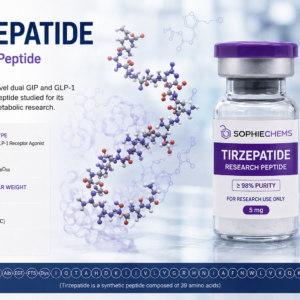
Tirzepatide Research Information
Tirzepatide Research Information
Tirzepatide Research Peptide
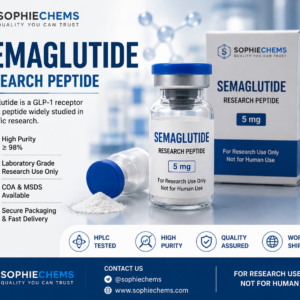
Semaglutide Research Information
→ Semaglutide Research Peptide
TB-500 Research Peptide
TB-500 Peptide Supplier
CJC-1295 DAC Research Peptide
CJC-1295 DAC Supplier
GHK-Cu Research Peptide
GHK-Cu Peptide Research
Why Buy BPC-157 Research Peptide From Sophiechems?
Sophiechems focuses on supplying research chemicals, peptides, and laboratory materials to global customers.
Key supplier features:
✔ Research-focused product range
✔ Technical documentation support
✔ COA availability
✔ Bulk order assistance
✔ International chemical supply experience
Call To Action:
Contact Sophiechems for BPC-157 research peptide specifications, documentation, and bulk inquiry options.
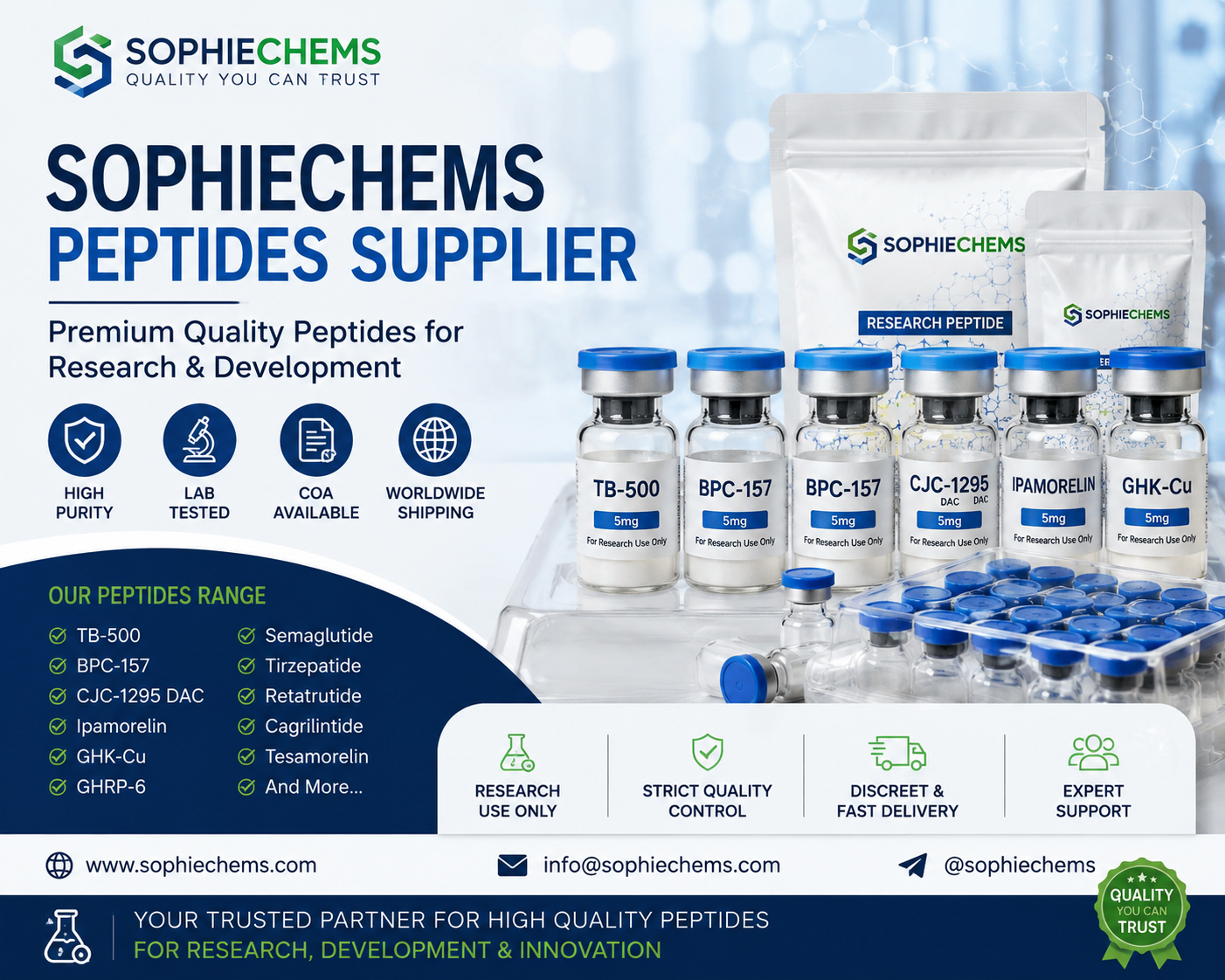
High Purity Research Peptides