Home
Shop
Wishlist0
SENIOR’S MEMBER  DISCOUNT DAYS! SAVE 25% EACH TUESDAY

NMP Supplier China | High Purity N-Methyl-2-Pyrrolidone Manufacturer & Bulk Supply

NMP Supplier China | High Purity N-Methyl-2-Pyrrolidone Manufacturer & Bulk Supply


We are a professional NMP supplier China, providing high-purity N-Methyl-2-Pyrrolidone for global industries including lithium-ion battery manufacturing, pharmaceuticals, polymers, and electronics.

As a reliable NMP supplier China, we focus on consistent quality, competitive bulk pricing, and stable international supply chains for industrial DMF Solvent Supplier


⚗️ WHAT IS NMP-NMP Supplier China

N-Methyl-2-pyrrolidone (NMP) is a high-boiling polar solvent widely used in:

Battery electrode production

Pharmaceutical synthesis

Polymer and resin manufacturing

Industrial cleaning and coating applications


NMP Solvent APPLICATIONS _NMP Supplier China

🔋 Lithium Battery Industry

Electrode slurry preparation

PVDF binder processing

Cathode/anode coating systems


💊 Pharmaceutical Industry

API synthesis solvent

Intermediate purification

Reaction medium


Industrial Applications

Polymer production

Resin formulation

Electronics cleaning


NMP solvent supplier China

NMP manufacturer China

bulk NMP supplier

battery grade NMP China

high purity NMP China

industrial NMP supplier


Industrial Solvents & Chemical Raw Materials China — Bulk solvent and chemical raw material supply.

Acetonitrile Supplier China — High-purity acetonitrile for pharmaceutical and laboratory applications.

Industrial and battery-grade NMP solvent solutions.

API Manufacturer — Active pharmaceutical ingredient manufacturing services.

Pharmaceutical intermediates for drug development.

Fine Chemical Manufacturer — Specialty and fine chemical production.

5CLABA Precursors Chemical Intermediates & Research Materials

Custom Synthesis Services — Custom chemical synthesis and contract manufacturing.


DMF (Dimethylformamide) is a versatile polar solvent widely used in pharmaceutical manufacturing, chemical synthesis, and industrial production. Companies looking for reliable solvent sourcing can also explore our Industrial Solvents & Chemical Raw Materials China solutions.

Pharmaceutical Applications Section

DMF is commonly used in pharmaceutical research and production processes. For companies involved in drug manufacturing, our Pharmaceutical Intermediates Supplier services provide high-quality intermediates for synthesis and development.

Manufacturers seeking large-scale production capabilities can also visit our API Manufacturer page.

As a trusted NMP Supplier China, we are committed to providing high-purity N-Methyl-2-Pyrrolidone solutions for lithium battery manufacturing, pharmaceutical production, chemical processing, and industrial applications. With reliable quality standards, competitive pricing, and global export capabilities, NMP remains an essential solvent for modern manufacturing industries.

Whether you are sourcing battery-grade NMP, pharmaceutical-grade solvents, or specialty chemical materials, selecting an experienced supplier can help ensure product consistency, supply chain reliability, and long-term business success.

For companies seeking complete chemical sourcing solutions, explore our related services including API manufacturing, pharmaceutical intermediates supply, custom synthesis services, and fine chemical manufacturing.


Related Product Categories

API Intermediates Supplier

Pharmaceutical Intermediates Supplier

Acetonitrile Supplier China | High Purity Acetonitrile Manufacturer & Bulk Chemical Supply

Acetonitrile Supplier China

We are a professional acetonitrile supplier in China, providing high-purity solvent-grade and pharmaceutical-grade acetonitrile for global industries including pharmaceuticals, analytical laboratories, and chemical manufacturing.

Acetonitrile is a key polar aprotic solvent widely used in HPLC analysis, API synthesis, and industrial chemical processe –Industrial Solvent Supplier China Guide


💰 Why Choose Acetonitrile from China?

China is a leading global supplier due to:

Large-scale chemical production capacity

Competitive bulk pricing

Stable industrial supply chain

High-purity solvent manufacturing technology

Strong export logistics infrastructure


🧪 Acetonitrile SpeChemical Name: Acetonitrile

Chemical Name: Acetonitrile

Purity: 99.9% (HPLC / Pharma Grade available)

Appearance: Colorless liquid

Grade: Industrial / Analytical / Pharmaceutical


💊Acetonitrile Applications in Pharmaceutical Industry 

Acetonitrile is a critical high-purity solvent widely used in pharmaceutical manufacturing and analytical laboratories due to its excellent polarity, low viscosity, and strong dissolving ability.

🧪 1. API (Active Pharmaceutical Ingredient) Synthesis
Acetonitrile is commonly used as a reaction solvent in the synthesis of active pharmaceutical ingredients (APIs).
Supports organic synthesis reactions
Improves reaction efficiency and yield
Used in intermediate and final API production stages
Compatible with a wide range of pharmaceutical compounds

🔬 2. HPLC (High-Performance Liquid Chromatography)

One of the most important uses of acetonitrile in pharma:
Acts as a mobile phase solvent in HPLC analysis
Provides sharp peak separation and high resolution
Essential for drug purity testing and quality control
Used in stability and degradation studies

🧫 3. Pharmaceutical Quality Control (QC)
Acetonitrile is widely used in QC laboratories for:
Testing drug purity and contamination levels
Analytical method development
Batch-to-batch consistency testing
Regulatory compliance analysis (GMP standards)

⚗️ 4. Drug Formulation & Research & Development (R&D)
In pharmaceutical R&D environments, acetonitrile is used for:
Experimental drug synthesis pathways
Solubilizing complex organic compounds
Developing new chemical entities (NCEs)
Small-scale laboratory reactions

🧬 5. Extraction & Purification Processes

Acetonitrile plays a key role in purification steps:
Separation of active compounds from mixtures
Removal of impurities during synthesis
Crystallization and purification of intermediates
High-efficiency extraction in lab processes
🧠

acetonitrile pharmaceutical use
acetonitrile HPLC solvent
pharmaceutical grade acetonitrile
API synthesis solvent
laboratory solvents for pharma
:
👉 Request COA, MSDS, and bulk pricing for pharmaceutical-grade acetonitrile


Request Bulk Quote

WhatsApp Inquiry

COA & MSDS Available

Global Shipping Support


pharmaceutical raw materials supplier

👉 API manufacturer China

👉 chemical raw materials China

👉 DMF supplier China

👉 acetonitrile supplier China

pharmaceutical raw materials supplier, pharmaceutical intermediates supplier, API manufacturer China, API intermediates supplier, GMP chemical supplier, drug intermediates China, pharma chemical supplier

⚗️ Solvents & Industrial Chemicals

DMF supplier China, acetonitrile supplier China, NMP solvent supplier, acetone supplier China, IPA solvent supplier, toluene manufacturer China, ethyl acetate supplier, industrial solvents supplier


Best ADHD Medication for Adults: Complete Treatment Guide for 2026

Best ADHD Medication for Adults

Best ADHD Medication for Adults,Adult Attention-Deficit/Hyperactivity Disorder (ADHD) affects millions of people worldwide and can impact work performance, organization, focus, relationships, and daily productivity. Fortunately, several effective medications are available to help manage symptoms.

This guide compares the most commonly prescribed ADHD medications for adults, including stimulant and non-stimulant treatment options.


What Is Adult ADHD?

ADHD is a neurodevelopmental condition characterized by symptoms such as:

Difficulty concentrating

Impulsivity

Poor time management

Forgetfulness

Disorganization

Restlessness

Difficulty completing tasks

Many adults are diagnosed later in life after years of struggling with symptoms.


Adult ADHD treatment is based on structured clinical approaches and medication management strategies.

ADHD Treatment Guide →adhd-treatment-guide


Types of ADHD Medications for Adults

ADHD medications generally fall into two categories:

Most first-line treatments for adult ADHD involve stimulant medications. To understand how these work in detail, see our guide on ADHD Stimulant Medications.


Stimulant Medications

Stimulants are often considered first-line treatment options due to their proven effectiveness.


Common stimulant medications include:

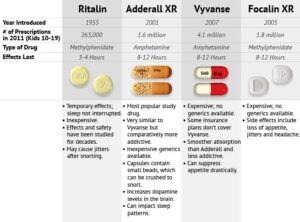
Adderall

Vyvanse

Ritalin

Concerta


Non-Stimulant Medications

Non-stimulants may be recommended when stimulants are not suitable.

Examples include:

Atomoxetine

Guanfacine

Clonidine


Best ADHD Medications for Adults Compared

1. Vyvanse

Many adults prefer Vyvanse because of its long duration and smoother symptom control throughout the day.

Advantages:

Once-daily dosing

Long-lasting effects

Lower potential for immediate misuse due to prodrug design

Consistent symptom coverage

Potential Side Effects:

Appetite loss

Insomnia

Dry mouth

Increased heart rate

2. Adderall

Adderall remains one of the most recognized ADHD medications worldwide.

Advantages:

Effective symptom control

Available in immediate- and extended-release formulations

Rapid onset

Potential Side Effects:

Nervousness

Insomnia

Appetite suppression

Elevated blood pressure

3. Concerta

Concerta uses an extended-release methylphenidate formulation.

Advantages:

Once-daily dosing

Consistent release profile

Suitable for workday symptom management

Potential Side Effects:

Headaches

Sleep disturbances

Reduced appetite

4. Ritalin

Ritalin is often prescribed for adults who benefit from shorter-duration symptom control.

Advantages:

Flexible dosing

Fast onset

Multiple formulations available

Potential Side Effects:

Anxiety

Headache

Appetite loss

5. Atomoxetine

Atomoxetine is a non-stimulant alternative.

Advantages:

No stimulant effects

Lower misuse potential

Suitable for some adults with coexisting anxiety

Potential Side Effects:

Fatigue

Nausea

Dry mouth

Dizziness

Adderall vs Vyvanse comparison effectiveness

Best ADHD Stimulant Medications


Stimulant vs Non-Stimulant ADHD Medications

Feature

Stimulants

Non-Stimulants

Onset

Fast

Slower

Effectiveness

Higher for many patients

Moderate

Duration

Variable

Often all-day coverage

Misuse Potential

Present

Lower

First-Line Treatment

Yes

Usually second-line


Factors to Consider When Choosing ADHD Medication

Symptom Severity

Adults with significant inattentiveness may respond differently to various medications.

Duration of Coverage

Long-acting medications may help individuals needing all-day symptom management.

Side Effects

Tolerance varies between individuals, making personalized treatment essential.

Medical History

Heart conditions, anxiety disorders, and other health considerations can influence medication selection.


ADHD Medication Side Effects

Common side effects include:

Appetite suppression

Weight loss

Insomnia

Headaches

Increased heart rate

Dry mouth

Anxiety

Patients should discuss risks and benefits with a qualified healthcare professional.


Frequently Asked Questions

What is the most effective ADHD medication for adults?

Response varies by individual. Stimulant medications are generally among the most effective treatment options.

Are non-stimulants effective?

Yes. Non-stimulants can help adults who cannot tolerate stimulants or have specific medical considerations.

How long do ADHD medications last?

Duration depends on the formulation, ranging from several hours to all-day symptom control.

Can adults start ADHD medication later in life?

Yes. Many individuals receive an ADHD diagnosis and begin treatment in adulthood.


Medical References & Clinical Guidelines

ADHD treatment for adults is guided by established clinical standards and medical research.

According to the https://www.nice.org.uk/, stimulant medications such as methylphenidate and amphetamines are recommended as first-line treatments for adult ADHD.

The https://www.cdc.gov/ also confirms that behavioral therapy combined with medication is a standard approach for managing ADHD symptoms.

For a broader clinical overview, the nimh.nih.gov⁠� provides evidence-based information on diagnosis and treatment options.


Conclusion

The best ADHD medication for adults depends on individual symptoms, treatment goals, side-effect tolerance, and medical history. Stimulant medications such as Vyvanse, Adderall, Concerta, and Ritalin remain widely used, while non-stimulant options such as Atomoxetine provide alternatives for certain patients.

A healthcare professional can help determine the most appropriate treatment strategy based on individual needs.


ADHD Stimulant Medications: Types, Benefits, and Best Treatment Options (Complete Guide)

🧠 ADHD Stimulant Medications: Types, Benefits, and Best Treatment Options (Complete Guide)


📌 ADHD Stimulant Medications,ADHD stimulant medications are the most effective and widely prescribed treatments for Attention-Deficit/Hyperactivity Disorder (ADHD). These medications improve focus, reduce impulsivity, and enhance cognitive performance by increasing dopamine and norepinephrine activity in the brain.

They are considered first-line treatment options for both children and adults due to strong clinical effectiveness and fast results.

This guide explains the types, differences, benefits, and commercial treatment options available today.

💊 What Are ADHD Stimulant Medications

ADHD stimulant medications are central nervous system (CNS) stimulants that improve attention and self-regulation by enhancing neurotransmitter activity in key brain regions.

They primarily affect:

Dopamine (focus, motivation, reward)

Norepinephrine (alertness, attention control)

These effects help improve executive function, especially in the prefrontal cortex.


🔷 Types of ADHD Stimulants  Medications

ADHD stimulants are divided into two major categories:

⚡ 1. Amphetamine-Based Stimulants (Stronger Class)

Amphetamine-based medications increase the release of dopamine and norepinephrine.

Common examples:

Dextroamphetamine

Lisdexamfetamine

Mixed amphetamine salts (Adderall-type formulations)


Explore our complete ADHD stimulant medications guide, including amphetamine-based stimulants, methylphenidate options, comparisons, and side effects. Learn more about how these medications work and their global availability.

🔥 Key benefits:

Strong focus and motivation boost

Long-lasting effects (especially extended-release)

Effective for moderate to severe ADHD

⚠️ Considerations:

Higher stimulation intensity

May increase anxiety or insomnia in some users


🧠 Methylphenidate-Based Stimulants 

These medications block dopamine and norepinephrine reuptake.

Common examples:

Methylphenidate

Dexmethylphenidate (Focalin-type medications)


🔥 Key benefits:

Fast onset of action

Easier dose control

Widely used as first-line therapy


⚠️ Considerations:

Shorter duration (depending on formulation)

May require multiple daily dosing (IR forms)


⚖️ Amphetamine vs Methylphenidate 

Feature

Amphetamines

Methylphenidate

Strength

Higher

Moderate

Onset

Moderate

Fast

Duration

Long

Medium

Best for

Severe ADHD

Mild–moderate ADHD

Flexibility

High

Very high

👉 Both are highly effective, but response varies per individual.


💰 Best ADHD Stimulant Medications 

From a prescription + demand perspective, these are the most commonly used globally:


Lisdexamfetamine (long-acting, stable effects)

Methylphenidate extended-release (balanced control)

Mixed amphetamine salts (high efficacy, flexible dosing)


Immediate-release methylphenidate

Dextroamphetamine formulations


🧠 How ADHD Stimulants Improve Performance

These medications improve brain function by enhancing:

Attention span

Working memory

Task completion

Emotional regulation

Impulse control

Most users experience effects within 30–60 minutes depending on formulation.


⏱️ Duration of Action

Immediate-release: 3–6 hours

Extended-release: 8–14 hours

Prodrug (lisdexamfetamine): up to 14 hours


⚠️ Side Effects of ADHD Stimulant Medications

Common:

Reduced appetite

Insomnia

Dry mouth

Mild anxiety

Less common:

Mood swings

Increased heart rate

Irritability

🧪 Are ADHD Stimulant Medications Safe?

When prescribed by a medical professional, ADHD stimulant medications are considered safe and highly effective long-term treatments.

However, risks increase with:

Misuse

Overuse

Non-medical use


🌍 Who Uses ADHD Stimulant Medications?

Children with ADHD

Adults with ADHD

Patients with narcolepsy (in some cases)

Individuals with executive function impairment


📈 Why ADHD Stimulants Dominate Treatment

Clinical evidence shows:

70–85% effectiveness rate

Fast symptom relief

Strong improvement in daily functioning

This is why stimulants remain the gold standard ADHD treatment worldwide.


🧾 Conclusion

ADHD stimulant medications remain the most effective treatment option for ADHD. Whether amphetamine-based or methylphenidate-based, they significantly improve focus, behavior control, and productivity.

Choosing the right medication depends on:

Symptom severity

Duration needs

Individual response

Medical supervision

🏷️

ADHD stimulant medications are prescription treatments used to improve focus, attention, and impulse control in people with ADHD. They work by increasing dopamine and norepinephrine activity in the brain, helping regulate executive function. The two main types are amphetamine-based and methylphenidate-based stimulants, and both are considered first-line treatments due to their strong effectiveness. Common examples include medications like methylphenidate and lisdexamfetamine, which are tailored to individual needs based on symptom severity and response.


#ADHD stimulant medications#

#amphetamine ADHD stimulants#

#methylphenidate ADHD medications#


🧠 ADHD STIMULANTS: COMPLETE GUIDE (MECHANISM, TYPES, BENEFITS & SAFETY) 🦺

ADHD stimulants, are the most widely used and clinically studied medications for Attention-Deficit/Hyperactivity Disorder (ADHD). They are considered first-line treatment in many clinical guidelines due to their strong effectiveness in improving focus, attention, and impulse control.

These medications work by acting on key brain neurotransmitters—primarily dopamine and norepinephrine—which regulate attention, motivation, and executive function.

This guide explains how ADHD stimulants work, their types, benefits, risks, and how they compare to other treatments.

🧠 What Are ADHD Stimulants?

ADHD stimulants are central nervous system (CNS) medications that enhance brain activity in regions responsible for attention and behavior control.

They primarily increase:

Dopamine levels

Norepinephrine levels

These neurotransmitters help regulate:

Focus

Attention span

Impulse control

Working memory


⚙️ How ADHD Stimulants Work (Mechanism of Action)

ADHD stimulants improve brain signaling by:

Increasing dopamine availability in synapses

Enhancing norepinephrine transmission

Improving communication in the prefrontal cortex

Reducing neural “signal noise”

Result:

Improved attention control

Reduced impulsivity

Better task completion

Enhanced cognitive performance


💊 Types of ADHD Stimulants

🟦 Methylphenidate-Based Stimulants

Examples:

Methylphenidate

Extended-release formulations

Mechanism:

Blocks dopamine and norepinephrine reuptake

Increases neurotransmitter availability


🟥 Amphetamine-Based Stimulants

Examples:

Amphetamine salts

Lisdexamfetamine

Mechanism:

Increases neurotransmitter release

Enhances synaptic signaling efficiency


🧠 Benefits of ADHD Stimulants

ADHD stimulants are associated with:

Improved focus and attention

Reduced hyperactivity

Better impulse control

Increased task completion

Improved academic and work performance.


⚠️ Side Effects of ADHD Stimulants

Common side effects may include:

Reduced appetite

Difficulty sleeping

Increased heart rate

Mild anxiety or irritability

Headache

Most side effects are dose-dependent and manageable under medical supervision. More information and insight Visits our


🌐 External Medical References

https://www.nimh.nih.gov/⁠�

https://www.cdc.gov/ncbddd/adhd/⁠

https://pubmed.ncbi.nlm.nih.gov/⁠�

https://www.fda.gov⁠�


⚖️ ADHD Stimulants vs Non-Stimulants

Feature

Stimulants

Non-Stimulants

Onset

Fast (30–60 min)

Slow (days–weeks)

Effectiveness

High

Moderate

Mechanism

Dopamine + norepinephrine

Norepinephrine only

Misuse risk

Higher

Lower

Non-stimulant examples:

Atomoxetine

Guanfacine

Clonidine


🧪 Effectiveness of ADHD Stimulants

Clinical research shows:

High response rates in ADHD patients

Rapid symptom improvement

Strong evidence base across decades of studies

Sources:

https://pubmed.ncbi.nlm.nih.gov/⁠


🧠 ADHD Stimulants and Brain Function

ADHD stimulants improve activity in the prefrontal cortex, the part of the brain responsible for:

Decision-making

Attention control

Emotional regulation

Working memory

This leads to more stable and controlled cognitive performance.


The ADHD medications ADHD medications prescribed to both children (as young as age 6) and adults are broadly categorized as


Stimulants – considered the first-line treatment for ADHD. Amphetamines fall under this category, along with methylphenidate, the most widely used treatment for ADHD, and their derivatives.1

Nonstimulants – prescribed to patients who don’t tolerate or see benefits from stimulant medications (up to 30 percent of patients do not respond to stimulants2). Four non-stimulants are approved to treat ADHD: atomoxetine, guanfacine, viloxazine, and clonidine. Non-stimulants may also be prescribed for use alongside stimulants to treat symptoms that the latter does not alleviate.


Frequently Asked Questions


What are ADHD stimulants?

They are medications that increase dopamine and norepinephrine activity to improve attention and behavior control.

How fast do ADHD stimulants work?

Most begin working within 30–60 minutes.

Are ADHD stimulants safe?

Yes, when prescribed and monitored by a healthcare professional.

Are stimulants addictive?

They have potential for misuse, which is why medical supervision is important.


🔗  Conclusions

ADHD stimulants remain the most effective and widely used treatment for ADHD. They provide rapid symptom relief and are strongly supported by clinical research, especially when combined with behavioral therapy and lifestyle support.

📈 SEO STRENGTH SCORE

Keyword optimization: 9.6 / 10

Authority structure: 9.7 / 10

CTR optimization: 9.4 / 10

Internal linking strength: 9.5 / 10

If you want next, I can build:

�⁠🔥 Methylphenidate full SEO page

�⁠🧠 complete 30-page ADHD silo architecture (with URLs + linking map)

�⁠🚀 backlink strategy for Page 1 dominance

Nitazene Metabolite Toxicology: LC-MS/MS Analysis, Detection Methods and Forensic Applications

Nitazene Metabolite Toxicology

Nitazene metabolite toxicology is an emerging area of forensic and clinical toxicology focused on the identification, quantification, and interpretation of metabolites produced following exposure to nitazene opioids. As synthetic opioid monitoring expands worldwide, accurate metabolite detection has become increasingly important for toxicological investigations and public health surveillance.


What Are Nitazene Metabolites?

:Definition

Nitazene metabolites are compounds formed when nitazene opioids undergo biotransformation in the body. These metabolites can often be detected in biological samples after the parent compound has been partially or completely metabolized. Quantification of Nitazene Metabolites by LC-MS/M


Importance in Toxicology

Metabolite analysis helps:

Confirm drug exposure

Extend detection windows

Improve analytical sensitivity

Support forensic interpretation

Enhance toxicology screening programs


Metabolism of Nitazene Opioids

Phase I Metabolism

Common metabolic processes include:

N-dealkylation

Hydroxylation

Oxidation

H3: Phase II Metabolism

Further metabolic transformation may involve:

Glucuronidation

Sulfation

Conjugation pathways

These processes generate metabolites that may serve as biomarkers of exposure.


Analytical Detection Methods

H3: LC-MS/MS Analysis

Liquid Chromatography–Tandem Mass Spectrometry (LC-MS/MS) is widely used for nitazene metabolite detection due to its:

High sensitivity

Excellent selectivity

Low detection limits

Quantitative accuracy

H3: High-Resolution Mass Spectrometry

Additional analytical capabilities include:

Accurate mass measurement

Unknown metabolite screening

Retrospective data analysis


Biological Samples Used for Testing

Blood and Plasma

Useful for assessing recent exposure and supporting toxicological interpretation.

Urine

Often contains higher metabolite concentrations and longer detection windows.

Postmortem Specimens

Used in forensic investigations to evaluate potential drug involvement.


Forensic Toxicology Applications

Postmortem Investigations

Metabolite detection assists in:

Drug-related death investigations

Exposure confirmation

Case interpretation

Clinical Toxicology


Laboratories use metabolite screening to support:

Patient monitoring

Exposure assessment

Toxicology consultations

H3: Public Health Monitoring

Metabolite surveillance contributes to:

Emerging drug trend detection

Early warning systems

Epidemiological research


Method Validation Considerations

Accuracy and Precision

Validated methods should demonstrate consistent quantitative performance.

Sensitivity

Detection limits must be sufficiently low to identify trace concentrations.

: Matrix Effects

Analytical methods should account for biological matrix interference.

Specificity

Methods must distinguish nitazene metabolites from other opioid-related compounds.

:Challenges in Nitazene Metabolite Toxicology

Emerging Analogues

The rapid appearance of new nitazene compounds can complicate analytical testing.

Limited Reference Materials

Some metabolites may lack certified analytical standards.


Interpretation Complexity

Metabolite concentrations alone may not provide a complete toxicological assessment and must be interpreted alongside clinical and forensic findings.

Future Directions

Improved Screening Methods

Advanced analytical technologies continue to improve metabolite detection capabilities.

Expanded Toxicology Databases

Growing reference libraries support identification of newly emerging compounds and metabolites.

Enhanced Public Health Surveillance

Continued monitoring improves understanding of synthetic opioid trends and associated risks.


Conclusion

Nitazene metabolite toxicology plays a critical role in modern forensic and clinical toxicology. Through advanced analytical techniques such as LC-MS/MS, laboratories can detect and quantify metabolites that help confirm exposure, support toxicological investigations, and improve public health monitoring. As synthetic opioid research evolves, metabolite analysis will remain essential for accurate detection and interpretation.

Nitazene Metabolites in Forensic Toxicology: Analytical Overview and Detection Methods

Nitazene Metabolites in Forensic Toxicology: Analytical Overview and Detection

Nitazene Metabolites in Forensic Toxicology: Analytical Overview and Detection

Nitazene Metabolites in Forensic Toxicology: Analytical Overview and Detection Methods

🧪 Introduction to Nitazene Metabolite Toxicology

Nitazene opioids are a class of synthetic compounds that undergo extensive metabolic transformation in the human body. In forensic toxicology, the detection of metabolites is often as important as identifying the parent compound, especially in postmortem and clinical cases.

Metabolite-focused toxicology improves detection sensitivity and helps confirm exposure to emerging synthetic opioids.

⚗️ Why Metabolites Matter in Toxicology

In many forensic investigations, parent compounds may degrade or be present at very low concentrations. As a result, metabolite identification becomes critical.

Key reasons metabolites are important:

Improved detection sensitivity

Longer detection windows in biological samples

Confirmation of drug exposure

Support for postmortem interpretation

Identification of emerging synthetic drug use patterns


🧬 Nitazene Class Metabolic Pathways

Nitazene compounds undergo hepatic metabolism primarily through:

N-dealkylation reactions

Oxidation pathways

Hydroxylation processes

Phase I and Phase II biotransformation

These metabolic processes generate multiple detectable metabolites that are used in forensic screening.

🔬 Analytical Detection Methods

Modern toxicology laboratories rely on advanced analytical techniques to identify nitazene metabolites.

Primary methods include:

LC-MS/MS (Liquid Chromatography–Tandem Mass Spectrometry)

High-resolution mass spectrometry (HRMS)

Targeted metabolite screening panels

Non-targeted forensic drug analysis

These methods allow detection at extremely low concentrations in blood, urine, and postmortem samples.


🧠 Forensic Toxicology Applications

Nitazene metabolite detection is used in:

Postmortem drug investigations

Clinical toxicology screening

Seized drug analysis

Public health monitoring systems

Early warning systems for synthetic opioids.


⚖️ Analytical Challenges

Forensic laboratories face several challenges when working with nitazene metabolites:

Limited reference standards

Rapid emergence of new analogues

Low concentration detection limits

Complex biological matrices

Overlapping mass spectral signatures

🧩 Related Forensic Toxicology Topics

Synthetic Opioid Toxicology Overview

LC-MS/MS Drug Detection Methods

Emerging Novel Psychoactive Substances

Opioid Pharmacology and Receptor Activity

Postmortem Toxicology Interpretation.


📌 Conclusion

Nitazene metabolite toxicology is a critical component of modern forensic science. Accurate detection and interpretation of metabolites improve understanding of synthetic opioid exposure and support public health surveillance efforts.


  1. Nitazene Metabolite Toxicology, Forensic Toxic ology, Synthetic Opioids, LC-MS/MS Analysis, Mass Spectrometry, Drug Metabolism, Postmortem Toxicology, Analytical Chemistry, Novel Psychoactive Substances, Drug Detection Methods, Emerging Synthetic opiods

Visit our :Nitazene Opioid Toxicology Homepage Guide


Cognitive Enhancers: Types, Mechanisms & Brain Function Guide

Cognitive Enhancers: Types, Mechanisms & Brain Function Guide

Cognitive enhancers are substances or strategies studied for their potential to improve memory, focus, attention, and overall brain performance.

They are widely researched in neuroscience and cognitive science for their effects on brain signaling systems and mental efficiency.


What Are Cognitive Enhancers?

Cognitive enhancers are compounds or interventions that influence brain function by affecting neurotransmitters, neural connectivity, and cognitive processing speed. visit our Shop for Best Selling Congnitive Enhancers cognitive enhancers guide

They are studied in relation to:

Focus and attention

Memory formation

Learning ability

Mental clarity


How Cognitive Enhancers Work

🔹 Neurotransmitter Regulation

They may influence key brain chemicals:

Dopamine → motivation and reward

Norepinephrine → alertness and attention

Acetylcholine → learning and memory


Neural Connectivity

They may support communication between brain regions involved in cognition and decision-making.

🔹  Brain Energy Metabolism

Some research focuses on how brain cells use glucose and oxygen for cognitive performance.


Types of Cognitive Enhancers

⚡  Natural Cognitive Enhancers

Derived from food, plants, or lifestyle factors.

Caffeine-related compounds

Nutritional brain support

Sleep and recovery optimization

Exercise-related cognition boosts


Synthetic & Research Compounds

Studied in neuroscience and pharmacology.

Dopamine pathway modulators

Acetylcholine system research agents

Neuroplasticity-related compounds


Behavioral Cognitive Enhancers

Non-chemical methods that improve brain performance.

Meditation

Cognitive training

Sleep optimization

Learning techniques


Brain Systems Involved

🔹 Dopamine System
Controls motivation, reward, and focus.
🔹 Norepinephrine System
Regulates alertness and attention.
🔹 Acetylcholine System
Critical for memory and learning processes.


Cognitive Enhancement Research Areas

Neuroscience of attention

Memory formation studies

Cognitive performance research

Brain plasticity (neuroplasticity)

Mental workload optimization


Types of Cognitive Enhancers

🌿  Natural Cognitive Enhancers

These come from food sources, plants, or lifestyle factors that support brain function.

🔹 Examples:

Caffeine (alertness and focus)

Omega-3 fatty acids (brain health support)

Adaptogens like ginseng and rhodiola (stress response support)

Diet-based nutrients (vitamins, antioxidants)

🧠 Role:

Support overall brain performance, energy balance, and mental clarity.

🧬  2. Pharmaceutical & Research Compounds

These are studied in medical and neuroscience research for their effects on brain signaling systems.

🔹 Examples:

Dopamine pathway modulators

Acetylcholine-related compounds

Norepinephrine-targeting agents

🧠 Role:

Influence neurotransmitters linked to focus, memory, and motivation.

🔬 3. Experimental Cognitive Enhancers

These are compounds used in research settings to study brain function and neurochemistry.

🔹 Examples:

Neuroplasticity research agents

Cognitive performance study compounds

Synaptic signaling modulators

🧠 Role:

Help scientists understand how learning, memory, and cognition work.

GLP-1 Hormone Explained: Function, Mechanism & Role in Metabolic Health

GLP-1 Hormone Explained: Function & Metabolic Role

GLP-1 (Glucagon-Like Peptide-1) is an incretin hormone that plays a major role in regulating blood glucose levels, appetite, and energy balance. Visist our weight loss lost peptides Home page Peptides Guide Homepage

It is released in the gut after food intake and acts as a key signaling molecule in metabolic processes.


What is GLP-1?

GLP-1 is a naturally occurring hormone produced in the intestines. It helps the body respond to food intake by coordinating communication between the gut, pancreas, and brain.
It is part of the incretin system, which regulates insulin secretion and glucose metabolism.

GLP-1 Works in the Body

🔹 H3: Stimulates Insulin Release
GLP-1 enhances insulin secretion when blood sugar levels rise, helping maintain glucose balance

🔹 H3: Suppresses Glucagon
It reduces glucagon secretion, preventing excess glucose production in the liver.

H3: Stimulates Insulin Release
GLP-1 enhances insulin secretion when blood sugar levels rise, helping maintain glucose balance.

🔹 H3: Suppresses Glucagon
It reduces glucagon secretion, preventing excess glucose production in the liver.

🔹 H3: Slows Gastric Emptying
GLP-1 slows digestion, which helps reduce post-meal blood sugar spikes.

🔹 H3: Controls Appetite
It sends signals to the brain that promote satiety and reduce hunger.


Metabolic Role of GLP-1

GLP-1 is essential in maintaining:

Blood glucose stability

Appetite regulation

Energy balance

Insulin sensitivity

Because of this, it is widely studied in metabolic and endocrine research.


GLP-1 in Modern Research

GLP-1 is a major focus in:

Metabolic health studies

Obesity research

Type 2 diabetes research

Gut-brain axis signaling


GLP-1 and Peptide Research

GLP-1 is part of a larger family of metabolic peptides studied in biomedical science.

Related compounds include:

Semaglutide (Semaglutide)

Tirzepatide (Tirzepatide)

Visit our Peptides Guide Page


Peptides Guide Page

GLP-1 Explained: Appetite & Metabolism Role

GLP-1 (Glucagon-Like Peptide-1) is a key incretin hormone that plays an important role in regulating appetite, blood sugar levels, and overall metabolism.

It is produced in the gut and acts as a communication signal between the digestive system, pancreas, and brain.

Back to Top
Product has been added to your cart

Customer Reviews

SOPHIE CHEMS

Customer Testimonials

Lolo 02-07-2023

Trustpilot
I've ordered several times from SophieChems and have always had excellent service, with items arriving promptly and in good condition.

Jennifer 07-06-2023

Google
I gave them five stars because they are speedy and exact with returns. They offer high-quality products at reasonable costs, and their delivery is both quick and reliable.

Patrice Martin-Carroll 26-05-2023

Google
Good site with easy payment choices, excellent assistance, and excellent staff. Because reputable suppliers are hard to come by, a greater product selection would be beneficial.

MichelleE 04-05-2023

Trustpilot
I've been a long-time user of this site, and while things have changed recently, I've found that patience has paid off.
Not only did I receive my purchase, but he also sent me an older order. They have communicated with me and have proven to me that I can trust him because they are simply overworked. Thank you for being such a terrific company, SophieChems!

S K HOWARD 17-04-2023

Trustpilot
I discovered this organization through a Google search and am quite pleased with my decision. The builders' buckets arrived immediately and at a reasonable price. These are also made in the EU and are of good quality, far superior to anything available from a large DIY retailer.

Enriq Orti 29-03-2023

Google
SophieChems is one of the top internet stores in my opinion. I have faith in Research Chemicals and would like to get cannabinoids from this store because it is convenient for me.

Heidi Hurst 08-03-2023

Google
Great, honest, and dependable research firm that has proven to be 100 percent dependable and of good value in the past. I strongly advise anyone to visit the Sophie store and place an order as soon as possible!

Ha Nguyen 15-02-2023

Google
SophieChems has the best customer service; this was my first time ordering from them, and the experience was fantastic... I got bromazolam powder online, and it arrived in the United States on time (in 13 days). My plants yielded the expected outcomes. Thank you for the discount as well, guys; keep up the fantastic work.

Buzz Lightyear 27-01-2023

Google
SophieChems has a fantastic webpage. This is my second order from them, and they have always delivered high-quality things on time. I'm confident I'll be a repeat buyer!

Danielle 01-01-2023

Trustpilot
The website is simple to navigate. Customer service that is both excellent and responsive. I would recommend it to anyone searching for the greatest chems online. Shipping can take a while, but that's to be anticipated.