Home
Shop
Wishlist0
SENIOR’S MEMBER  DISCOUNT DAYS! SAVE 25% EACH TUESDAY


Synthetic Cannabinoids: Chemical Research & Industry Overview


Synthetic cannabinoids are a class of laboratory-created compounds studied in the field of chemical research and molecular science. This knowledge hub provides educational information about synthetic cannabinoid chemistry, compound development, research history, and regulatory considerations.
Explore chemical concepts, industry information, and related research topics through the Sophie Chems

Chemical Knowledge Center

Chemical Knowledge Center

Research Chemicals Overview
Pharmaceutical Chemistry Guides
Regulatory & Safety Information

Order Protonitazene

Explore our Chemical Knowledge Center for analytical chemistry guides, chemical profiles, solvent resources, laboratory information, and scientific research articles.

Explore Chemical Knowledge Center

Chemical Knowledge Center

Cannabinoids Medicinal Use History

Cannabinoids for sale ,Synthetic Cannabinoids online USA ,The use of cannabis for medicinal purposes dates back to 2900 BC. The Chinese use of cannabis predates written books. At this time, it was considered to have healing powers and would be used to treat various ailments.Cannabis: History & Types of Cannabinoids

Cannabinoids for sale ,Around 1000 BC, the Egyptians used cannabis to treat issues with the eyes and to treat inflammation. Interestingly, it was also used as an anesthetic when mixed with other liquids. It was highly regarded in respected written works of the time, including the Bible.

In the 1600s, the settlers brought the cannabis plant to North America. At the time, it was being used to treat depression and other mental health issues in England. It was considered widespread, mainstream medicine in the West to use cannabis to treat inflammation, headaches, insomnia, and menstrual cramps.

In the early 1900s, the era of Prohibition, or the period of time when alcoholic beverage sale was illegal in the United States, began. This era brought about changes in the mentality about the regulation of alcohol as well as drugs. Ten states created marijuana prohibition laws in this time period .JWH-018  Precusors high quality

Over the next few decades, cannabis was still cultivated for medicinal use in other regions of the United States. It was included in pharmaceutical publications and manuals as a treatment option.

It wasn’t until the mid-1950s that cannabis medicinal use began to be generally considered illegal. Finally, in 1970, the Controlled Substances Act criminalized marijuana use and classified it as having no accepted medical purpose.

Toward the end of the 1970s, several medical organizations began experimental use of cannabis to treat patients who were experiencing nausea as a side effect of chemotherapy.  This experimental treatment was generally regarded as successful and by the early 1990s, the first states began approving cannabis for medical uses. The first state to legalize medical marijuana was California in 1996.

Cannabinoids for sale

Synthetic cannabinoids in Europe ,USA, UK

Cannabinoids for sale

History of Recreational Use of Cannabinoids

Cannabis, when used recreationally, has psychoactive effects, or large effects on mental processes of the brain. The effects on the brain after recreational use include a sense of relaxation and a high. It also creates a physical reaction of the eyes becoming reddened, impaired motor skills, and lowered blood pressure. Buy Protonitazene online

The physical and mental effects of the drug begin within thirty minutes if ingested by smoking or eating and will last up to 6 hours. Buy 5CLABA Synthetic Cannabinoids Precursors from Premium Chemical Intermediates precusors Suppliers.


Chemical Supplier | Pharmaceutical Intermediates & Industrial Chemicals | Sophie Chems


Choosing the right chemical supplier is an important decision for companies involved in pharmaceutical development, research, manufacturing, and industrial applications.

A reliable chemical supplier provides more than chemical materials. Professional chemical sourcing requires product knowledge, technical information, consistent supply, and an understanding of industry requirements.

Sophie Chems provides chemical information and sourcing solutions across areas including pharmaceutical intermediates, industrial chemicals, specialty chemicals, and chemical building blocks.

Through a combination of commercial product resources and educational content, Sophie Chems helps customers understand chemical applications and the role of different compounds in modern industries.

What Is a Chemical Supplier?

A chemical supplier is a company that provides chemical materials used by industries such as:

Pharmaceutical manufacturing

Chemical research

Specialty chemical production

Industrial processing

Laboratory applications

Chemical suppliers connect manufacturers, researchers, and organizations with the materials needed for their processes.

A professional chemical supplier focuses on:

Product information

Chemical documentation

Supply reliability

Industry knowledge

Pharmaceutical Intermediates Supplier

Pharmaceutical intermediates are important materials used during the development and production of active pharmaceutical ingredients (APIs).

They act as chemical building blocks that support complex synthesis pathways.

Pharmaceutical intermediate suppliers support industries by providing access to:

Organic intermediates

Heterocyclic compounds

Specialty chemical materials

Research chemicals

Pharmaceutical Intermediates Supplier

Industrial Chemicals and Solvents

Industrial chemicals play an essential role across many manufacturing sectors.

Solvents are among the most widely used chemical categories because they support processes such as:

Dissolution

Processing

Cleaning

Chemical reactions

Common industrial solvent categories include:

Acetonitrile

DMSO

DMF

Methanol

THF

Isopropyl Alcohol

Ethyl Acetate


Industrial Solvents Supplier

Industrial Solvents Supplier

Specialty Chemicals and Chemical Building Blocks

Specialty chemicals are developed for specific applications where performance and chemical properties are important.

Chemical building blocks help researchers and manufacturers create more complex molecules.

Examples of important chemical categories include:

Heterocyclic Intermediates

Heterocyclic compounds are widely studied in pharmaceutical chemistry because of their unique molecular structures.

Heterocyclic Intermediates Supplier

Heterocyclic Intermediates Supplier

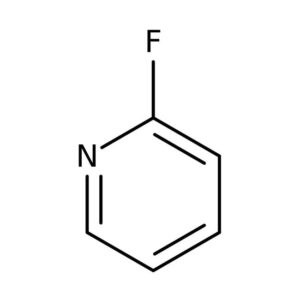
Pyridine Derivatives

Pyridine-based compounds are important nitrogen-containing intermediates used in chemical research and synthesis.

Pyridine Derivatives Supplier

Pyridine Derivatives Supplier

Piperidine Derivatives

Piperidine compounds are another important group of nitrogen-containing chemical intermediates.

Piperidine Derivatives Supplier

Piperidine Derivatives Supplier

Why Chemical Knowledge Matters

Modern chemical industries require more than access to products.

Understanding chemical properties, applications, and industry concepts helps companies make better sourcing decisions.

A strong chemical knowledge resource explains:

Chemical applications

Industry terminology

Manufacturing concepts

Differences between chemical materials

The Sophie Chems Chemical Knowledge Center provides educational guides that connect chemical information with relevant supplier resources.

Chemical Knowledge Center

Chemical Knowledge Center

How to Choose a Chemical Supplier

When selecting a chemical supplier, companies often consider:

Product Information

Clear chemical information helps customers understand materials and applications.

Supply Reliability

Consistent availability supports research and production planning.

Technical Understanding

A knowledgeable supplier understands chemical industry requirements.

Professional Communication

Good communication helps ensure smoother chemical sourcing.

Chemical Supplier Supporting Research and Manufacturing

Chemical suppliers support a wide range of industries by providing materials used in:

Research and development

Manufacturing processes

Chemical synthesis

Industrial applications

The relationship between supplier and customer is built on information, reliability, and professional service.

Sophie Chems Chemical Categories

Sophie Chems focuses on chemical categories including:

Pharmaceutical intermediates

Industrial solvents

Specialty chemicals

Chemical building blocks

Research-related chemical information

The goal is to provide a structured chemical resource where customers can explore products and learn about chemical applications.

Conclusion

A reliable chemical supplier helps industries access important materials while providing the knowledge needed to understand chemical applications.

Sophie Chems combines commercial chemical resources with educational content to support customers looking for pharmaceutical intermediates, industrial chemicals, and specialty chemical information.

Through organized categories, supplier pages, and Chemical Knowledge Center articles, Sophie Chems continues building a structured chemical resource for modern industries.

Submit your review
1
2
3
4
5
Submit
     
Cancel

Create your own review

SophieChems
Average rating:  
 0 reviews

Synthetic Opioids: The New Drug Epidemic

The opioid crisis has been making headlines for years, but there is a new player in the game: synthetic opioids. These drugs, which are chemically similar to natural opioids but are created in a lab, are becoming increasingly popular and are causing a new wave of addiction and overdose deaths. In this article, we will explore what synthetic opioids are, their dangers, and how they are contributing to the ongoing drug epidemic.

What are Synthetic Opioids?

Synthetic opioids

by Pharmacy Images (https://unsplash.com/@pharmapix)

Synthetic opioids, also known as designer opioids or research chemicals, are man-made drugs that are designed to mimic the effects of natural opioids like morphine and heroin. They are created in a lab using a combination of chemicals and are often marketed as legal alternatives to illegal drugs. Some of the most common synthetic opioids include fentanyl, carfentanil, and U-47700.

Dangers of Synthetic Opioids

One of the biggest dangers of synthetic opioids is their potency. These drugs are often much stronger than natural opioids, making them more addictive and increasing the risk of overdose. In fact, fentanyl is estimated to be 50-100 times more potent than morphine. Additionally, because these drugs are created in a lab, their ingredients and potency can vary greatly, making it difficult for users to know how much they are taking and increasing the risk of overdose.

Examples of Synthetic Opioids

Some of the most commonly used synthetic opioids include:

  • Fentanyl: This drug is used to treat severe pain, but it is also illegally manufactured and sold on the streets. It is estimated to be 50-100 times more potent than morphine.
  • Carfentanil: This drug is used as a tranquilizer for large animals like elephants, but it is also being used as a recreational drug. It is estimated to be 10,000 times more potent than morphine.
  • U-47700: This drug is a synthetic opioid that was originally developed as a painkiller. It is estimated to be 7.5 times more potent than morphine.

Pain Management and Synthetic Opioids

Synthetic opioids are often prescribed for pain management, but their potency and addictive nature make them a dangerous choice. In fact, the Centers for Disease Control and Prevention (CDC) recommends that doctors avoid prescribing these drugs for chronic pain. Instead, they recommend alternative treatments such as physical therapy, cognitive behavioral therapy, and non-opioid pain relievers.

List of Synthetic Opioids

Some other synthetic opioids that are commonly used include:

  • Methadone
  • Tramadol
  • Meperidine
  • Oxycodone
  • Hydrocodone

The Need for Action

The rise of synthetic opioids has added a new layer to the ongoing drug epidemic. These drugs are highly addictive and dangerous, and they are contributing to the increasing number of overdose deaths. It is important for lawmakers, healthcare professionals, and individuals to take action to address this issue and prevent further harm.

If you or someone you know is struggling with addiction to synthetic opioids or any other drug, seek help immediately. There are resources available to help individuals overcome addiction and get on the path to recovery.

Have you or someone you know been affected by synthetic opioids? Share your story in the comments below.

The Role of Education in Prevention

Opioid addiction has become a major public health crisis in recent years, with millions of people suffering from addiction and thousands dying from overdoses each year. While there are many factors that contribute to the opioid epidemic, education plays a crucial role in prevention. By educating individuals about the dangers of opioid use and providing resources for recovery and mental health, we can work towards reducing the impact of this devastating crisis.

Understanding Opioids

Opioid pills

by User Untitled (https://unsplash.com/@user_007)

The first step in prevention is understanding what opioids are and how they affect the body. Opioids are a class of drugs that include prescription painkillers such as oxycodone, hydrocodone, and fentanyl, as well as illegal drugs like heroin. These drugs work by binding to opioid receptors in the brain, blocking pain signals and producing feelings of euphoria. However, they also have a high potential for addiction and can lead to serious health consequences.

Educating Youth

One of the most effective ways to prevent opioid addiction is by educating young people about the dangers of these drugs. This can be done through school programs, community events, and even through social media campaigns. By teaching youth about the risks of opioid use and providing them with alternative coping mechanisms for pain and stress, we can help prevent them from turning to these drugs in the first place.

Recovery Resources

For those who are already struggling with opioid addiction, education about recovery resources is crucial. This includes information about treatment options, support groups, and hotlines for those in crisis. By making these resources readily available and promoting them through education, we can help individuals get the help they need to overcome their addiction and start on the path to recovery.

Mental Health Support

Mental health support

by Erol Ahmed (https://unsplash.com/@erol)

Mental health is often a contributing factor to opioid addiction, and education about mental health resources is essential in prevention. By addressing underlying mental health issues and providing support and resources for those struggling, we can help prevent individuals from turning to opioids as a means of self-medication. This can include therapy, support groups, and medication management.

Community Involvement

Education about opioid addiction and prevention should not be limited to schools and healthcare professionals. Community involvement is crucial in spreading awareness and providing support for those affected by the opioid epidemic. This can include hosting events, participating in fundraisers for recovery resources, and advocating for policy changes to address the crisis.

Breaking the Stigma

One of the biggest barriers to education and prevention is the stigma surrounding opioid addiction. By breaking this stigma and promoting understanding and empathy, we can create a more supportive environment for those struggling with addiction. This can be done through education and open discussions about the realities of opioid addiction and recovery.

By recognizing the role of education in prevention and taking action to educate ourselves and others, we can work towards reducing the impact of the opioid epidemic. Whether it’s through understanding the dangers of opioids, promoting recovery resources, or breaking the stigma, every effort counts in the fight against addiction. Together, we can make a difference and save lives.

The Lethal Impact of Synthetic Opioids

The opioid epidemic has been a major public health crisis in the United States for years, with prescription opioids and heroin being the main culprits. However, in recent years, a new and even more dangerous threat has emerged: synthetic opioids.

What Are Synthetic Opioids?

Understanding Synthetic Drugs

Before we dive into synthetic opioids, it’s important to understand what synthetic drugs are. Synthetic drugs are man-made substances that mimic the effects of illegal drugs like marijuana, cocaine, and heroin. They are often marketed as “legal” alternatives to these drugs, but they can be just as dangerous, if not more so.

Synthetic drugs are created in a laboratory and can be made from a variety of chemicals. They are often sold as powders, pills, or liquids and can be easily purchased online or in stores. These drugs are often labeled as “not for human consumption” to avoid legal repercussions, but they are still used for recreational purposes.

What Are Synthetic Opioids?

Synthetic opioids are a type of synthetic drug that mimics the effects of natural opioids, such as morphine and codeine. They are often used for pain management, but they can also produce a euphoric high, making them popular for recreational use.

Synthetic opioids are created by altering the chemical structure of natural opioids, making them more potent and addictive. They are often cheaper and easier to obtain than prescription opioids, making them a dangerous alternative for those struggling with addiction.

The Lethal Impact of Synthetic Opioids

The Rise of Synthetic Opioid Overdoses

Synthetic opioids

by Pharmacy Images (https://unsplash.com/@pharmapix)

According to the Centers for Disease Control and Prevention (CDC), synthetic opioid overdose deaths have increased by 45% from 2016 to 2017. In 2017 alone, there were over 28,000 deaths involving synthetic opioids, making them the leading cause of opioid overdose deaths.

The most commonly used synthetic opioid is fentanyl, which is 50 times more potent than heroin and 100 times more potent than morphine. It is often mixed with other drugs, such as heroin or cocaine, without the user’s knowledge, leading to unintentional overdoses.

The Dangers of Synthetic Opioids

Synthetic opioids are extremely dangerous for several reasons. First, they are much more potent than natural opioids, making it easier to overdose. Second, they are often mixed with other drugs, making it difficult for users to know exactly what they are taking. Third, they are often made in illegal labs with no quality control, leading to inconsistent potency and potentially deadly substances.

The Impact on Communities

The rise of synthetic opioids has had a devastating impact on communities across the country. Not only are individuals struggling with addiction and overdoses, but first responders and healthcare workers are also facing increased risks and challenges.

Synthetic opioids are so potent that even a small amount can be deadly, making it difficult for first responders to administer life-saving measures. In addition, the influx of synthetic opioids has overwhelmed hospitals and emergency rooms, leading to shortages of life-saving medications like naloxone.

Legal Synthetic Opioids

The Dangers of Legal Synthetic Opioids

Legal synthetic opioids

by Maxim Berg (https://unsplash.com/@maxberg)

While most synthetic opioids are illegal, there are some that are legally prescribed for pain management. These legal synthetic opioids, such as fentanyl and tramadol, are still highly addictive and can lead to overdose and death.

In fact, in 2017, over 17,000 deaths involved prescription opioids, with fentanyl being the most commonly involved. These legal synthetic opioids are often prescribed for chronic pain, but they can also be obtained illegally and used for recreational purposes.

Examples of Legal Synthetic Opioids

Some examples of legal synthetic opioids include:

  • Fentanyl: This is a synthetic opioid that is 50 times more potent than heroin and 100 times more potent than morphine. It is often prescribed for severe pain, such as in cancer patients, but it is also illegally manufactured and sold on the streets.
  • Tramadol: This is a synthetic opioid that is used to treat moderate to severe pain. It is less potent than fentanyl, but it can still be addictive and lead to overdose.
  • Methadone: This is a synthetic opioid that is used to treat opioid addiction. It is often used as a replacement for other opioids, but it can also be abused and lead to overdose.

List of Synthetic Opioids

Some other synthetic opioids that are commonly used include:

  • U-47700: This is a synthetic opioid that is 7.5 times more potent than morphine. It is often sold as a white powder and can be injected, snorted, or taken orally.
  • W-18: This is a synthetic opioid that is 100 times more potent than fentanyl. It is often sold as a white powder and can be mixed with other drugs, making it even more dangerous.
  • AH-7921: This is a synthetic opioid that is 80 times more potent than morphine. It is often sold as a white powder and can be injected, snorted, or taken orally.

How to Combat the Lethal Impact of Synthetic Opioids

Education and Awareness

Pain management

by BATCH by Wisconsin Hemp Scientific (https://unsplash.com/@batch_by_whs)

One of the most important ways to combat the lethal impact of synthetic opioids is through education and awareness. It’s important for individuals to understand the dangers of these drugs and to know how to recognize the signs of an overdose.

In addition, healthcare providers should be educated on the risks of prescribing synthetic opioids and should consider alternative pain management methods for their patients.

Stricter Regulations

Another way to combat the lethal impact of synthetic opioids is through stricter regulations. This includes cracking down on illegal labs that produce these drugs and implementing stricter guidelines for prescribing legal synthetic opioids.

Access to Treatment

For those struggling with addiction to synthetic opioids, access to treatment is crucial. This includes medication-assisted treatment, counseling, and support groups. It’s important for individuals to have access to these resources to help them overcome their addiction and prevent future overdoses.

Takeaways

Synthetic opioids are a dangerous and deadly threat that is plaguing communities across the country. They are more potent and easier to obtain than prescription opioids, making them a dangerous alternative for those struggling with addiction. By educating individuals, implementing stricter regulations, and providing access to treatment, we can combat the lethal impact of synthetic opioids and save lives.

The Rise of Synthetic Opioids

In recent years, there has been a significant increase in the use and abuse of synthetic opioids. These man-made drugs are designed to mimic the effects of natural opioids, such as morphine and codeine, but are often much more potent and dangerous. In this article, we will explore the rise of synthetic opioids, their impact on pain management, and some examples of these drugs.

What are Synthetic Opioids?

Synthetic opioids

by HI! ESTUDIO (https://unsplash.com/@hiestudio)

Synthetic opioids, also known as designer opioids or synthetic drugs, are created in a laboratory using chemical compounds. They are designed to mimic the effects of natural opioids, but are often much stronger and more addictive. These drugs are often sold illegally and can be found in various forms, including pills, powders, and liquids.

Impact on Pain Management

Synthetic opioids were initially created as a way to provide pain relief for patients who were not responding well to traditional opioid medications. However, due to their potency and addictive nature, they have become a major concern in the field of pain management. These drugs can provide quick and powerful pain relief, but they also come with a high risk of addiction and overdose.

Examples of Synthetic Opioids

There are several different types of synthetic opioids, each with their own unique chemical makeup and effects. Some of the most commonly used and abused synthetic opioids include:

  • Fentanyl: This is one of the most potent synthetic opioids, with a potency up to 100 times stronger than morphine. It is often used in medical settings for severe pain, but has also been found in illegal drugs such as heroin and cocaine.
  • Carfentanil: This is an extremely potent synthetic opioid, with a potency up to 10,000 times stronger than morphine. It is primarily used as a tranquilizer for large animals, but has also been found in illegal drugs and has been linked to numerous overdose deaths.
  • U-47700: This synthetic opioid is often referred to as “pink” or “U4” and is similar in potency to morphine. It is often sold as a powder or in pill form and has been linked to numerous overdose deaths.

Pain Relief Alternatives

With the rise of synthetic opioids, many people are looking for alternative methods of pain relief. Some options include:

  • Physical therapy: This can help improve mobility and reduce pain without the use of medication.
  • Acupuncture: This ancient practice has been shown to provide pain relief for a variety of conditions.
  • CBD: Cannabidiol, or CBD, is a compound found in the cannabis plant that has been shown to have pain-relieving properties.
  • Mindfulness techniques: Practices such as meditation and deep breathing can help manage pain and reduce stress.

The Need for Regulation

Synthetic drugs

by Myriam Zilles (https://unsplash.com/@myriamzilles)

The rise of synthetic opioids has highlighted the need for stricter regulation and control of these drugs. Many of these substances are being produced and sold illegally, making it difficult for authorities to track and control their distribution. It is important for governments to implement stricter regulations and penalties for the production and sale of synthetic opioids in order to protect public health and safety.

In conclusion, the rise of synthetic opioids has had a significant impact on pain management and public health. It is important for individuals to be aware of the dangers of these drugs and to seek alternative methods of pain relief. Governments also need to take action to regulate and control the production and distribution of synthetic opioids in order to prevent further harm to individuals and communities.

Strategies for Preventing Opioid Addiction

Opioid addiction has become a major public health crisis in recent years, with millions of people suffering from addiction and thousands dying from overdoses each year. While treatment and recovery resources are important, it is equally important to focus on preventing opioid addiction in the first place. Here are some strategies for preventing opioid addiction and promoting harm reduction.

Education and Awareness

Opioid pills

by Sweet Life (https://unsplash.com/@sweetlifediabetes)

One of the most effective ways to prevent opioid addiction is through education and awareness. This includes educating the public about the dangers of opioid use and the signs of addiction, as well as providing information on alternative pain management methods. It is also important to raise awareness about the risks of prescription opioid use and the potential for addiction, as many people become addicted to opioids after being prescribed them for legitimate medical reasons.

Proper Disposal of Unused Medications

Many people become addicted to opioids after being prescribed them for a medical procedure or injury. To prevent these medications from falling into the wrong hands, it is important to properly dispose of any unused medications. This can be done through drug take-back programs or by following specific disposal instructions from a pharmacist or healthcare provider. Proper disposal of unused medications can prevent them from being misused or abused.

Alternative Pain Management Methods

While opioids are often prescribed for pain management, there are alternative methods that can be just as effective without the risk of addiction. These include physical therapy, acupuncture, and non-opioid medications. By promoting and utilizing these alternative methods, healthcare providers can help prevent opioid addiction in their patients.

Harm Reduction Strategies

Harm reduction strategies aim to reduce the negative consequences of drug use, including addiction and overdose. These strategies include providing access to clean needles and naloxone, a medication that can reverse an opioid overdose. By implementing harm reduction strategies, communities can reduce the number of opioid-related deaths and help individuals struggling with addiction to stay safe.

Mental Health Support

Many people turn to opioids as a way to cope with mental health issues such as anxiety, depression, or trauma. By providing access to mental health support and resources, individuals can address the root causes of their addiction and find healthier ways to cope. This can include therapy, support groups, and medication management.

Early Intervention and Treatment

Early intervention and treatment are crucial in preventing opioid addiction from escalating. This includes identifying and addressing risk factors for addiction, such as a history of substance abuse or mental health issues. It also involves providing access to treatment and recovery resources for those struggling with opioid addiction. By intervening early, individuals have a better chance of overcoming their addiction and preventing future relapses.

By implementing these strategies, we can work towards preventing opioid addiction and promoting harm reduction. It is important for individuals, healthcare providers, and communities to work together to address this crisis and support those struggling with addiction. If you or someone you know is struggling with opioid addiction, reach out for help and support. Recovery is possible.

Understanding the Dangers of Synthetic Opioids

fr4qazR            In recent years, the opioid epidemic has become a major public health crisis in the United States. While many people are familiar with the dangers of prescription opioids and illegal drugs like heroin, there is another type of opioid that is causing harm and often goes unnoticed: synthetic opioids.

What Are Synthetic Opioids?

Synthetic opioids are man-made drugs that are designed to mimic the effects of natural opioids, such as morphine and codeine. They are created in a laboratory and can be either fully synthetic or semi-synthetic. Fully synthetic opioids are entirely man-made, while semi-synthetic opioids are made from a combination of natural and synthetic substances.

Synthetic opioids are often prescribed for pain management, but they can also be found in illegal drugs. They are highly addictive and can have dangerous side effects, making them a serious threat to public health.

Examples of Synthetic Opioids

Synthetic opioids

by Adrian Diaz-Sieckel (https://unsplash.com/@adrian_ds)

Some of the most commonly used synthetic opioids include:

  • Fentanyl: This is a fully synthetic opioid that is 50-100 times more potent than morphine. It is often used in medical settings for severe pain, but it is also illegally manufactured and sold on the streets.
  • Tramadol: This is a semi-synthetic opioid that is used to treat moderate to severe pain. It is often prescribed as an alternative to other opioids, but it can still be addictive and dangerous.
  • Methadone: This is a synthetic opioid that is used to treat opioid addiction. It is also sometimes prescribed for pain management, but it can be highly addictive and has a high potential for abuse.
  • Meperidine: This is a fully synthetic opioid that is used to treat moderate to severe pain. It is not as commonly prescribed as other opioids, but it can still be found in medical settings and on the streets.

The Dangers of Synthetic Opioids

Synthetic opioids are highly addictive and can have dangerous side effects, making them a serious threat to public health. Here are some of the dangers associated with these drugs:

Increased Risk of Overdose

One of the biggest dangers of synthetic opioids is the increased risk of overdose. These drugs are much more potent than natural opioids, making it easier to accidentally take too much and experience an overdose. In fact, fentanyl is responsible for a large portion of opioid-related deaths in the United States.

Addiction and Dependence

Synthetic opioids are highly addictive and can lead to physical and psychological dependence. This means that individuals who use these drugs may feel like they need them to function and may experience withdrawal symptoms when they try to stop using them.

Dangerous Side Effects

Synthetic opioids list

by Maxim Berg (https://unsplash.com/@maxberg)

Like other opioids, synthetic opioids can have dangerous side effects, including:

  • Drowsiness and sedation
  • Nausea and vomiting
  • Confusion and disorientation
  • Slowed breathing and heart rate
  • Coma and death

Legal and Illegal Use

While some synthetic opioids are prescribed by doctors for pain management, others are illegally manufactured and sold on the streets. This makes it difficult for individuals to know what they are taking and can increase the risk of overdose and other dangerous consequences.

How to Protect Yourself from Synthetic Opioids

If you or a loved one is prescribed an opioid for pain management, it is important to take precautions to protect yourself from the dangers of synthetic opioids. Here are some steps you can take:

Ask Questions

If your doctor prescribes an opioid, don’t be afraid to ask questions. Find out what type of opioid it is, how long you should take it, and what the potential side effects are. If you have a history of substance abuse, make sure to let your doctor know so they can consider alternative pain management options.

Dispose of Unused Medications Properly

If you have leftover opioids, it is important to dispose of them properly. Do not flush them down the toilet or throw them in the trash, as this can harm the environment and potentially lead to drug abuse. Instead, take them to a designated drug take-back location or follow the FDA’s guidelines for at-home disposal.

Seek Help for Addiction

If you or a loved one is struggling with addiction to synthetic opioids, it is important to seek help. There are many treatment options available, including therapy, support groups, and medication-assisted treatment. Don’t be afraid to reach out for help and support.

The Importance of Education and Awareness

Pain management

by Matteo Vistocco (https://unsplash.com/@mrsunflower94)

In order to combat the dangers of synthetic opioids, it is important for individuals to educate themselves and raise awareness about the issue. This includes understanding the risks associated with these drugs, knowing how to protect yourself and your loved ones, and advocating for better regulations and resources for addiction treatment.

Conclusion

Synthetic opioids are a serious threat to public health, and it is important for individuals to understand the dangers associated with these drugs. By educating ourselves and others, taking precautions, and seeking help when needed, we can work towards reducing the harm caused by synthetic opioids and preventing future addiction and overdose.

Synthetic Opioids: A Growing Public Health Crisis

In recent years, there has been a significant increase in the use and abuse of synthetic drugs, particularly synthetic opioids. These drugs, which are designed to mimic the effects of natural opioids, have become a major public health concern due to their potency and potential for addiction and overdose.

In this article, we will explore what synthetic opioids are, why they are a growing public health crisis, and what can be done to address this issue.

What Are Synthetic Opioids?

Understanding Opioids

Before we dive into synthetic opioids, it’s important to understand what opioids are. Opioids are a class of drugs that are commonly used for pain management. They work by binding to opioid receptors in the brain and blocking pain signals.

Some common natural opioids include morphine, codeine, and heroin. These drugs are derived from the opium poppy plant and have been used for centuries for their pain-relieving properties.

Synthetic Opioids

Synthetic opioids

by Pharmacy Images (https://unsplash.com/@pharmapix)

Synthetic opioids, also known as designer opioids or research chemicals, are man-made drugs that are designed to mimic the effects of natural opioids. They are created in a laboratory and are not derived from natural sources.

Synthetic opioids are often marketed as legal alternatives to natural opioids, and they are typically sold under various brand names. They can come in the form of pills, powders, or liquids, and are often sold online or in convenience stores.

Why Are Synthetic Opioids a Growing Public Health Crisis?

Potency and Addiction Potential

One of the main reasons why synthetic opioids are a growing public health crisis is their potency and potential for addiction. These drugs are often much stronger than natural opioids, making them more dangerous and addictive.

For example, fentanyl, a synthetic opioid that is 50-100 times more potent than morphine, has been responsible for a significant number of overdose deaths in recent years. This is because even a small amount of fentanyl can be deadly.

Lack of Regulation

Another factor contributing to the growing crisis is the lack of regulation surrounding synthetic opioids. Unlike natural opioids, which are tightly regulated and require a prescription, many synthetic opioids can be purchased legally without a prescription.

This lack of regulation makes it easier for these drugs to be sold and distributed, increasing their availability and potential for abuse.

Difficulty in Detection

Drug test

by Ben Mullins (https://unsplash.com/@benmullins)

Synthetic opioids can also be difficult to detect through traditional drug tests. This is because they are often not included in standard drug panels and can require specialized testing methods.

This makes it easier for individuals to use synthetic opioids without being caught, further contributing to the growing crisis.

What Are Some Examples of Synthetic Opioids?

There are many different types of synthetic opioids, each with its own unique chemical makeup and effects. Some common examples of synthetic opioids include:

  • Fentanyl: As mentioned earlier, fentanyl is a synthetic opioid that is 50-100 times more potent than morphine. It is often used in medical settings for severe pain, but it is also sold illegally and is responsible for a significant number of overdose deaths.
  • Carfentanil: Carfentanil is an extremely potent synthetic opioid that is 10,000 times more potent than morphine. It is often used as a tranquilizer for large animals, but it has also been found in street drugs and has been linked to numerous overdose deaths.
  • U-47700: U-47700 is a synthetic opioid that is similar to fentanyl in its potency. It is often sold online as a research chemical and has been linked to several overdose deaths.
  • MT-45: MT-45 is a synthetic opioid that is similar to fentanyl and carfentanil in its potency. It is often sold online as a research chemical and has been linked to several overdose deaths.
  • AH-7921: AH-7921 is a synthetic opioid that is similar to fentanyl and carfentanil in its potency. It is often sold online as a research chemical and has been linked to several overdose deaths.

How Can We Address the Synthetic Opioid Crisis?

Increased Regulation and Education

Prescription bottle

by Jarritos Mexican Soda (https://unsplash.com/@jarritos)

One of the most important steps in addressing the synthetic opioid crisis is increased regulation and education. This includes tighter restrictions on the sale and distribution of these drugs, as well as educating the public about the dangers of synthetic opioids.

Healthcare providers also play a crucial role in addressing the crisis by properly prescribing and monitoring opioid use, as well as educating patients about the risks and potential for addiction.

Improved Access to Treatment

Another important aspect of addressing the crisis is improving access to treatment for those struggling with opioid addiction. This includes increasing the availability of medication-assisted treatment (MAT) and other evidence-based therapies.

Additionally, providing resources and support for individuals in recovery can help prevent relapse and promote long-term recovery.

Collaboration and Research

Research lab

by Lucas Vasques (https://unsplash.com/@luvqs)

Collaboration between healthcare providers, researchers, and government agencies is crucial in addressing the synthetic opioid crisis. This includes conducting research to better understand the effects of these drugs and developing new treatments for opioid addiction.

List of Synthetic Opioids

  • Fentanyl
  • Carfentanil
  • U-47700
  • MT-45
  • AH-7921
  • Acetylfentanyl
  • Butyrfentanyl
  • Furanylfentanyl
  • 3-Methylfentanyl
  • 4-Fluorofentanyl
  • 4-Methoxybutyrfentanyl
  • 4-Methoxyfentanyl
  • 4-Methylfentanyl
  • 4-Propionylfentanyl
  • 4-Fluoroisobutyrfentanyl
  • 4-Fluorobutyrfentanyl
  • 4-Fluorofuranylfentanyl
  • 4-Fluorofuranylfentanyl
  • 4-Fluorofuranylfentanyl
  • 4-Fluorofuranylfentanyl
  • 4-Fluorofuranylfentanyl
  • 4-Fluorofuranylfentanyl
  • 4-Fluorofuranylfentanyl
  • 4-Fluorofuranylfentanyl
  • 4-Fluorofuranylfentanyl
  • 4-Fluorofuranylfentanyl
  • 4-Fluorofuranylfentanyl
  • 4-Fluorofuranylfentanyl
  • 4-Fluorofuranylfentanyl
  • 4-Fluorofuranylfentanyl
  • 4-Fluorofuranylfentanyl
  • 4-Fluorofuranylfentanyl
  • 4-Fluorofuranylfentanyl
  • 4-Fluorofuranylfentanyl
  • 4-Fluorofuranylfentanyl
  • 4-Fluorofuranylfentanyl
  • 4-Fluorofuranylfentanyl
  • 4-Fluorofuranylfentanyl
  • 4-Fluorofuranylfentanyl
  • 4-Fluorofuranylfentanyl
  • 4-Fluorofuranylfentanyl
  • 4-Fluorofuranylfentanyl
  • 4-Fluorofuranylfentanyl
  • 4-Fluorofuranylfentanyl
  • 4-Fluorofuranylfentanyl
  • 4-Fluorofuranylfentanyl
  • 4-Fluorofuranylfentanyl
  • 4-Fluorofuranylfentanyl
  • 4-Fluorofuranylfentanyl
  • 4-Fluorofuranylfentanyl
  • 4-Fluorofuranylfentanyl
  • 4-Fluorofuranylfentanyl
  • 4-Fluorofuranylfentanyl
  • 4-Fluorofuranylfentanyl
  • 4-Fluorofuranylfentanyl
  • 4-Fluorofuranylfentanyl
  • 4-Fluorofuranylfentanyl
  • 4-Fluorofuranylfentanyl
  • 4-Fluorofuranylfentanyl
  • 4-Fluorofuranylfentanyl
  • 4-Fluorofuranylfentanyl
  • 4-Fluorofuranylfentanyl
  • 4-Fluorofuranylfentanyl
  • 4-Fluorofuranylfentanyl
  • 4-Fluorofuranylfentanyl
  • 4-Fluorofuranylfentanyl
  • 4-Fluorofuranylfentanyl
  • 4-Fluorofuranylfentanyl
  • 4-Fluorofuranylfentanyl
  • 4-Fluorofuranylfentanyl
  • 4-Fluorofuranylfentanyl
  • 4-Fluorofuranylfentanyl
  • 4-Fluorofuranylfentanyl
  • 4-Fluorofuranylfentanyl
  • 4-Fluorofuranylfentanyl
  • 4-Fluorofuranylfentanyl
  • 4-Fluorofuranylfentanyl
  • 4-Fluorofuranylfentanyl
  • 4-Fluorofuranylfentanyl
  • 4-Fluorofuranylfentanyl
  • 4-Fluorofuranylfentanyl

The Environmental Impact of Test Pipes

If you’re a car enthusiast, you’ve likely heard of test pipes. These aftermarket exhaust components are popular among performance car owners for their ability to increase horsepower and improve sound. However, what many people don’t realize is that test pipes can also have a significant impact on the environment.

In this article, we’ll explore the environmental impact of test pipes and why it’s important to consider this factor when making modifications to your vehicle.

What Are Test Pipes?

Before we dive into the environmental impact, let’s first define what test pipes are. Test pipes, also known as test pipes g37 or g37 test pipes, are aftermarket exhaust components that replace the catalytic converter in a vehicle’s exhaust system.

The catalytic converter is responsible for reducing harmful emissions from the exhaust gases, converting them into less harmful substances before they are released into the environment. However, it also restricts the flow of exhaust gases, which can limit the performance of a vehicle.

Test pipes, on the other hand, are straight pipes that allow for a more direct flow of exhaust gases, resulting in increased horsepower and a louder exhaust sound. They are popular among performance car owners, particularly those with models such as the 370z, 350z, and G35 coupe.

The Environmental Impact of Test Pipes

Car exhaust

by Teddy O (https://unsplash.com/@teddy0110)

While test pipes may offer performance benefits, they also have a significant impact on the environment. By removing the catalytic converter, test pipes allow for the release of harmful emissions directly into the environment.

These emissions include carbon monoxide, nitrogen oxides, and hydrocarbons, which contribute to air pollution and can have negative effects on human health and the environment. In fact, according to the Environmental Protection Agency (EPA), vehicle emissions are a major source of air pollution in the United States.

Furthermore, test pipes can also contribute to noise pollution, as they result in a louder exhaust sound. This can be disruptive to both humans and wildlife, and can also have negative effects on the environment.

Pipe Inspection and Emissions Testing

In many states, vehicles are required to undergo emissions testing to ensure they are not emitting excessive amounts of harmful pollutants. This is typically done through a pipe inspection, where a probe is inserted into the vehicle’s exhaust to measure the levels of emissions.

If a vehicle is found to be emitting excessive pollutants, it will fail the emissions test and will not be allowed on the road until the issue is resolved. This is where test pipes can become problematic.

As test pipes remove the catalytic converter, they can cause a vehicle to fail emissions testing. This means that owners of vehicles with test pipes may have to remove them and reinstall the catalytic converter in order to pass the test. This process can be time-consuming and costly, and also contributes to unnecessary waste and pollution.

Resonated Test Pipes

Resonated test pipes

by National Cancer Institute (https://unsplash.com/@nci)

Some manufacturers offer resonated test pipes as an alternative to traditional test pipes. These resonated test pipes have a built-in resonator, which helps to reduce the noise level of the exhaust.

While this may seem like a more environmentally-friendly option, it’s important to note that resonated test pipes still remove the catalytic converter and contribute to emissions and noise pollution. They may be slightly less harmful than traditional test pipes, but they still have a negative impact on the environment.

The Importance of Considering the Environment

When making modifications to your vehicle, it’s important to consider the environmental impact of your choices. While test pipes may offer performance benefits, they also have a significant negative impact on the environment.

As responsible car enthusiasts, it’s our duty to minimize our impact on the environment and make choices that are sustainable and eco-friendly. This means considering the emissions and noise levels of our vehicles and making modifications that are in line with environmental regulations.

Alternatives to Test Pipes

If you’re looking to increase the performance of your vehicle without negatively impacting the environment, there are alternative options to test pipes. These include high-flow catalytic converters and performance exhaust systems.

High-flow catalytic converters are designed to increase the flow of exhaust gases while still reducing harmful emissions. They are a more environmentally-friendly option compared to test pipes, as they still have a catalytic converter in place.

Performance exhaust systems, on the other hand, are designed to improve the flow of exhaust gases while also enhancing the sound of the exhaust. They are a popular choice among car enthusiasts and can offer similar performance benefits to test pipes without the negative environmental impact.

In Conclusion

While test pipes may seem like a tempting option for performance car owners, it’s important to consider the environmental impact of these aftermarket exhaust components. By removing the catalytic converter, test pipes contribute to emissions and noise pollution, and can also cause issues with emissions testing.

As responsible car enthusiasts, it’s important to make choices that are sustainable and eco-friendly. This means considering the environmental impact of our modifications and choosing alternatives to test pipes that are more environmentally-friendly.

By making conscious decisions and being mindful of our impact on the environment, we can still enjoy the performance benefits of our vehicles without causing harm to the planet.

How High Flow Cats Improve Efficiency

When it comes to improving the performance of your vehicle, there are a variety of modifications you can make. One popular option is installing a high flow catalytic converter, also known as a high flow cat. Not only does this upgrade increase horsepower and torque, but it also has environmental benefits. In this article, we will explore how high flow cats improve efficiency and why they are a great option for your vehicle.

What is a Catalytic Converter?

Before we dive into the benefits of a high flow cat, it’s important to understand what a catalytic converter is and how it works. A catalytic converter is a device that is installed in the exhaust system of a vehicle. Its purpose is to reduce harmful emissions by converting them into less harmful substances before they are released into the atmosphere. This is done through a series of chemical reactions that take place inside the converter.

High Flow vs. Standard Catalytic Converters

High flow cat

by Ludemeula Fernandes (https://unsplash.com/@ludemeula)

A standard catalytic converter is designed to meet emissions standards set by the government. However, these converters can also restrict the flow of exhaust gases, which can decrease the performance of your vehicle. High flow cats, on the other hand, are designed to have less restriction, allowing for a smoother flow of exhaust gases. This results in increased horsepower and torque, as well as improved fuel efficiency.

CARB Legal High Flow Cats

One concern with installing a high flow cat is whether or not it is legal. In California, the California Air Resources Board (CARB) sets strict emissions standards for vehicles. However, there are high flow cats that are CARB legal, meaning they meet these standards and are approved for use in California. These high flow cats have been tested and certified to ensure they do not increase emissions.

Improved Efficiency

The main benefit of a high flow cat is the improved efficiency it provides for your vehicle. By allowing for a smoother flow of exhaust gases, the engine does not have to work as hard to push them out. This results in increased horsepower and torque, which can improve the overall performance of your vehicle. Additionally, a high flow cat can also improve fuel efficiency, as the engine is not working as hard to push out the exhaust gases.

Environmental Benefits

In addition to the performance benefits, high flow cats also have environmental benefits. By reducing the restriction in the exhaust system, the engine does not have to work as hard, resulting in lower emissions. This means your vehicle will be more environmentally friendly and may even pass emissions tests more easily.

Conclusion

High flow cats are a great option for those looking to improve the performance of their vehicle while also being environmentally conscious. By reducing restriction in the exhaust system, they can increase horsepower and torque, improve fuel efficiency, and reduce emissions. Just be sure to choose a CARB legal high flow cat to ensure you are meeting emissions standards. Consider upgrading to a high flow cat for a more efficient and powerful ride.

The Uses and Dangers of Propionyl Chloride

Propionyl chloride, also known as propanoyl chloride, is an organic compound commonly used in chemical synthesis. It is classified as an acyl chloride, which is a type of chemical reagent used in various reactions. While it has many practical uses, it is important to understand the potential dangers associated with this compound.

Chemical Synthesis

Chemical synthesis

by engin akyurt (https://unsplash.com/@enginakyurt)

Propionyl chloride is commonly used in chemical synthesis to create other compounds. It is often used as a starting material in the production of pharmaceuticals, pesticides, and other organic compounds. It is also used in the production of dyes, perfumes, and other industrial chemicals. Its ability to react with a variety of compounds makes it a versatile tool in the field of organic chemistry.

Un1815 Propionyl Chloride

Propionyl chloride is classified as a hazardous material by the United Nations, with the UN number UN1815. This means that it is regulated for transportation and must be handled with caution. It is important to follow proper safety protocols when handling this chemical, including wearing protective gear and storing it in a secure location.

Organic Compound

Propionyl chloride is an organic compound, meaning it contains carbon atoms bonded to hydrogen atoms. This makes it a versatile building block in organic chemistry, as it can react with a variety of other compounds to form new molecules. Its chemical structure also makes it highly reactive, which can be both beneficial and dangerous.

Acyl Chloride

Acyl chlorides, also known as acid chlorides, are a type of chemical reagent commonly used in organic synthesis. They are highly reactive and can be used to introduce acyl groups into molecules, which can alter their properties. Propionyl chloride is a common acyl chloride used in these reactions, as it is relatively inexpensive and readily available.

Dangers of Propionyl Chloride

While propionyl chloride has many practical uses, it is important to understand the potential dangers associated with this chemical. It is highly corrosive and can cause severe burns if it comes into contact with skin. It is also toxic if inhaled or ingested, and can cause irritation to the respiratory system and digestive tract. Proper safety precautions should always be taken when handling this chemical.

Safe Handling and Storage

Chemical storage

by Markus Spiske (https://unsplash.com/@markusspiske)

To ensure safe handling and storage of propionyl chloride, it is important to follow proper safety protocols. This includes wearing protective gear such as gloves, goggles, and a lab coat when handling the chemical. It should also be stored in a secure location, away from sources of heat or ignition. In case of accidental exposure, it is important to have an emergency plan in place and to seek medical attention immediately.

In conclusion, propionyl chloride is a versatile and useful compound in chemical synthesis, but it is important to understand and respect its potential dangers. By following proper safety protocols and handling it with caution, it can be a valuable tool in the field of organic chemistry. Have you ever used propionyl chloride in your experiments? Share your experiences in the comments below.

Back to Top
Product has been added to your cart

Customer Reviews

SOPHIE CHEMS

Customer Testimonials

Lolo 02-07-2023

Trustpilot
I've ordered several times from SophieChems and have always had excellent service, with items arriving promptly and in good condition.

Jennifer 07-06-2023

Google
I gave them five stars because they are speedy and exact with returns. They offer high-quality products at reasonable costs, and their delivery is both quick and reliable.

Patrice Martin-Carroll 26-05-2023

Google
Good site with easy payment choices, excellent assistance, and excellent staff. Because reputable suppliers are hard to come by, a greater product selection would be beneficial.

MichelleE 04-05-2023

Trustpilot
I've been a long-time user of this site, and while things have changed recently, I've found that patience has paid off.
Not only did I receive my purchase, but he also sent me an older order. They have communicated with me and have proven to me that I can trust him because they are simply overworked. Thank you for being such a terrific company, SophieChems!

S K HOWARD 17-04-2023

Trustpilot
I discovered this organization through a Google search and am quite pleased with my decision. The builders' buckets arrived immediately and at a reasonable price. These are also made in the EU and are of good quality, far superior to anything available from a large DIY retailer.

Enriq Orti 29-03-2023

Google
SophieChems is one of the top internet stores in my opinion. I have faith in Research Chemicals and would like to get cannabinoids from this store because it is convenient for me.

Heidi Hurst 08-03-2023

Google
Great, honest, and dependable research firm that has proven to be 100 percent dependable and of good value in the past. I strongly advise anyone to visit the Sophie store and place an order as soon as possible!

Ha Nguyen 15-02-2023

Google
SophieChems has the best customer service; this was my first time ordering from them, and the experience was fantastic... I got bromazolam powder online, and it arrived in the United States on time (in 13 days). My plants yielded the expected outcomes. Thank you for the discount as well, guys; keep up the fantastic work.

Buzz Lightyear 27-01-2023

Google
SophieChems has a fantastic webpage. This is my second order from them, and they have always delivered high-quality things on time. I'm confident I'll be a repeat buyer!

Danielle 01-01-2023

Trustpilot
The website is simple to navigate. Customer service that is both excellent and responsive. I would recommend it to anyone searching for the greatest chems online. Shipping can take a while, but that's to be anticipated.