


🧠 ADHD Treatment Guide: Medications, Therapy & Management Options
🧭 Introduction to ADHD Treatment
Attention-Deficit/Hyperactivity Disorder (ADHD) is a neurodevelopmental condition that affects both children and adults. It is characterized by persistent patterns of inattention, hyperactivity, and impulsivity that interfere with daily functioning, academic performance, and social relationships.
ADHD is not simply a behavioral issue—it is linked to differences in brain activity, particularly in regions responsible for attention control, executive function, and self-regulation. Because of this, effective treatment often requires a combination of medical, psychological, and behavioral approaches.
There is no single “cure” for ADHD, but a wide range of evidence-based treatments can significantly reduce symptoms and improve quality of life. These include stimulant and non-stimulant medications, behavioral therapies, and lifestyle interventions.
For evidence-based clinical references, ADHD is well documented by institutions such as the
National Institute of Mental Health (NIMH):
�https://www.nimh.nih.gov�
and the
Centers for Disease Control and Prevention (CDC):
https://www.cdc.gov/ncbddd/adhd/%E2%81%A0
🧠 What Is ADHD? ADHD Treatment
ADHD is classified as a neurodevelopmental disorder that typically begins in childhood but can continue into adulthood.
ADHD Core symptoms include:
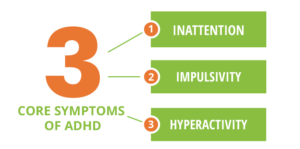
ADHD Core symptoms include:
Difficulty maintaining attention
Impulsivity and poor decision-making control
Hyperactivity or restlessness
Disorganization and forgetfulness
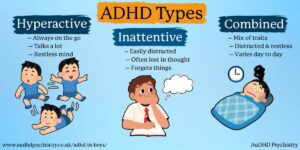
Types of ADHD
Inattentive type – difficulty focusing, easily distracted
Hyperactive-impulsive type – excessive movement, impulsive behavior
Combined type – features of both inattention and hyperactivity
ADHD affects academic performance, workplace productivity, relationships, and emotional regulation.
🧬 Causes and Brain Mechanism of ADHD
The exact cause of ADHD is not fully understood, but research shows it involves a combination of genetic, neurological, and environmental factors.
🧠 Brain structure and function
Studies show differences in:
Prefrontal cortex activity (responsible for decision-making and focus)
Dopamine regulation pathways
Norepinephrine signaling systems
These neurotransmitters are critical for attention, motivation, and behavioral control.
🧪 Neurochemical imbalance
ADHD is often associated with reduced dopamine activity in key brain circuits. Dopamine plays a central role in reward processing, attention regulation, and executive functioning.
💊 Overview of ADHD Treatment Options
ADHD treatment typically involves a multimodal approach:
1. Medication
Stimulants
Non-stimulants
2. Behavioral therapy
Cognitive Behavioral Therapy (CBT)
Behavioral interventions
3. Lifestyle strategies
Sleep regulation
Exercise
Nutrition
Routine management.
Visits our ADHD Stimulants HomepageGuide
4. Educational and workplace support
Structured learning environments
Task management systems
🧪 ADHD Medications
Medication is often considered the most effective treatment for core ADHD symptoms.
💊 Stimulant Medications
Stimulants are the most commonly prescribed ADHD medications and are considered first-line treatment in many clinical guidelines.
Examples:
Methylphenidate
Amphetamine-based medications
Lisdexamfetamine
How they work:
Stimulants increase the availability of dopamine and norepinephrine in the brain, improving communication between neurons involved in attention and executive function.
Benefits:
Improved focus and attention
Reduced impulsivity
Better task completion
Increased working memory performance
Considerations:
Stimulants may cause side effects such as decreased appetite, sleep disturbances, or mild increases in heart rate.
💊 Non-Stimulant Medications
Non-stimulant options are used when stimulants are not effective or not well tolerated.
Examples:
Atomoxetine
Guanfacine
Clonidine
How they work:
These medications affect norepinephrine pathways and help improve attention and impulse control more gradually.
Benefits:
Lower risk of misuse
Longer duration of effect
Alternative for sensitive patients
⚙️ How ADHD Stimulants Work in the Brain
ADHD stimulants affect key neurotransmitter systems:
Increase dopamine signaling
Enhance norepinephrine transmission
Improve communication in the prefrontal cortex
These effects help reduce “signal noise” in brain networks responsible for attention control.
Overall, this leads to:
Improved focus
Better impulse control
Enhanced task execution
🧠 Behavioral Therapy for ADHD
Medication alone is often not sufficient. Behavioral therapy helps patients develop coping skills and long-term strategies.
Cognitive Behavioral Therapy (CBT)
CBT helps individuals:
Identify negative thought patterns
Improve emotional regulation
Develop structured habits
ADHD coaching
Focuses on:
Time management
Organization skills
Goal setting
Parent training programs
Help caregivers:
Manage behavioral challenges in children
Reinforce positive behaviors
🧘 Lifestyle Management Strategies
Lifestyle changes play an important role in managing ADHD symptoms.
💤 Sleep regulation
Poor sleep worsens ADHD symptoms. Maintaining a consistent sleep schedule improves focus and emotional stability.
🏃 Exercise
Physical activity increases dopamine levels naturally and improves attention and mood.
🥗 Nutrition
Balanced diets support brain function, though no specific diet cures ADHD.
⏱️ Routine building
Structured routines reduce cognitive overload and improve daily productivity.
👶 ADHD in Children vs Adults
Children:
More visible hyperactivity
School-related difficulties
Often diagnosed earlier
Adults:
More focus-related issues
Workplace challenges
Emotional regulation difficulties
Treatment approaches may differ depending on age and life responsibilities.
⚠️ Side Effects of ADHD Treatment
While effective, ADHD medications may have side effects:
Reduced appetite
Difficulty sleeping
Increased heart rate
Mild anxiety or irritability
Most side effects are manageable with proper medical supervision.
📊 Effectiveness of ADHD Treatment
Research shows:
Stimulant medications are effective in most patients
Behavioral therapy improves long-term outcomes
Combined treatment provides the best results
Response varies between individuals, so treatment must be personalized.
❓ Frequently Asked Questions
What is the best treatment for ADHD?
A combination of medication and behavioral therapy is generally most effective.
Can ADHD be treated without medication?
Yes, but symptoms may be harder to control without pharmacological support.
How quickly do ADHD medications work?
Stimulants often work within 30–60 minutes.
Is ADHD a lifelong condition?
For many individuals, symptoms persist into adulthood, but can be managed effectively.
🧠 Conclusion
ADHD is a complex neurodevelopmental condition that requires a comprehensive treatment approach. While medications such as stimulants and non-stimulants are highly effective for symptom control, behavioral therapy and lifestyle management play essential roles in long-term success.
With the right combination of treatments, individuals with ADHD can significantly improve focus, productivity, emotional regulation, and overall quality of life.