



What Are Pharmaceutical Intermediates? Definition, Types, Uses & Importance in Drug Manufacturing.
Pharmaceutical intermediates play a critical role in modern drug manufacturing. They serve as the building blocks used in the synthesis of active pharmaceutical ingredients (APIs), which are the substances responsible for the therapeutic effects of medicines. Without pharmaceutical intermediates, the production of many life-saving drugs would not be possible.
As the pharmaceutical industry continues to expand globally, the demand for high-quality pharmaceutical intermediates has increased significantly. These compounds are used throughout drug development and commercial manufacturing processes, helping researchers and manufacturers create safe, effective, and reliable pharmaceutical products.
This guide explains what pharmaceutical intermediates are, how they are produced, their major applications, quality requirements, and their importance in modern pharmaceutical manufacturing.
What Are Pharmaceutical Intermediates?
Pharmaceutical intermediates are chemical compounds produced during the synthesis of an active pharmaceutical ingredient. They are not usually intended for direct therapeutic use but are essential materials in the multi-step manufacturing process that leads to the final API.
In simple terms, pharmaceutical intermediates occupy the stage between raw materials and finished active ingredients. They undergo additional chemical reactions, purification steps, and quality testing before becoming part of a final pharmaceutical product.
The pharmaceutical manufacturing chain typically follows this sequence:
Raw Materials → Pharmaceutical Intermediates
→Pharmaceutical Intermediates →
Active Pharmaceutical Ingredients (APIs) →Active Pharmaceutical Ingredients (APIs) →
Finished Drug Products
Because they are involved in critical stages of synthesis, pharmaceutical intermediates must meet strict quality standards to ensure the safety and effectiveness of the final medicine.
Importance of Pharmaceutical Intermediates
Pharmaceutical intermediates are essential for drug discovery, development, and manufacturing. Their importance extends across multiple areas of the pharmaceutical sector.
Supporting Drug Development
Researchers use pharmaceutical intermediates to explore synthetic pathways and develop new therapeutic compounds. During early-stage research, intermediates help scientists optimize chemical reactions and improve manufacturing efficiency.
Enabling Large-Scale Production
Commercial pharmaceutical manufacturers depend on intermediates to produce APIs consistently and efficiently. Reliable intermediate production helps maintain product quality and supply chain stability.
Improving Process Efficiency
Well-designed intermediates simplify synthetic routes and reduce manufacturing complexity. This can lead to lower production costs and improved process scalability.
Ensuring Product Quality
High-quality intermediates contribute directly to the purity and consistency of the final API. Careful control of intermediate quality helps reduce impurities and improve manufacturing reliability.
How Pharmaceutical Intermediates Are Used
<p><p><p><p>Pharmaceutical intermediates are used throughout the drug development and manufacturing process.
Research and Development
Scientists use intermediates during laboratory research to investigate new compounds and optimize chemical synthesis methods.
Pilot-Scale Production
Before full-scale manufacturing begins, intermediates are produced in pilot facilities to validate manufacturing processes and establish quality specifications.
Commercial Manufacturing
Large-scale pharmaceutical production relies on intermediates to create APIs efficiently and consistently.
Process Optimization
Manufacturers often evaluate intermediates to improve yield, reduce waste, and enhance product purity.
Types of Pharmaceutical Intermediates
Pharmaceutical intermediates exist in many forms depending on their chemical structure and intended application.
Heterocyclic Intermediates
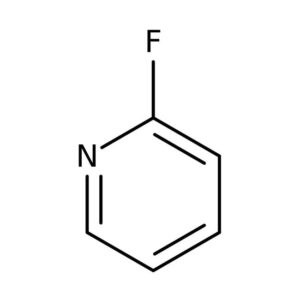
Heterocyclic compounds contain ring structures with atoms such as nitrogen, oxygen, or sulfur. These compounds are widely used in pharmaceutical synthesis because they appear in numerous drug molecules.
Examples include:
– Pyridine derivatives
– Imidazole derivatives
– Pyrazine compounds
– Quinoline derivatives
– Pyrimidine intermediates
Aromatic Intermediates
Aromatic intermediates contain benzene or related ring systems and are commonly used in medicinal chemistry.
Chiral Intermediates
Chiral intermediates possess specific three-dimensional structures that influence biological activity. Many modern pharmaceuticals require carefully controlled chiral synthesis.
Fine Chemical Intermediates
Fine chemicals are highly purified compounds used in the production of pharmaceutical ingredients and specialty chemicals.
Custom-Synthesized Intermediates
Some pharmaceutical projects require unique intermediates designed specifically for a particular manufacturing process or research program.
Pharmaceutical Intermediate Manufacturing Process
The production of pharmaceutical intermediates involves multiple stages designed to ensure quality, safety, and consistency.
Raw Material Selection
Manufacturing begins with the selection of high-quality starting materials. The quality of these materials significantly influences the final product.
Chemical Synthesis
Chemical reactions transform raw materials into intermediate compounds. Depending on the complexity of the target molecule, synthesis may involve several reaction steps.
Purification
Following synthesis, purification techniques remove unwanted by-products and impurities. Common purification methods include:
– Crystallization
– Distillation
– Filtration
– Chromatography
Drying and Processing
Purified materials are dried and processed into suitable forms for storage and transportation.
Quality Testing
Comprehensive analytical testing verifies product identity, purity, and consistency before release.
Packaging and Storage
Proper packaging protects pharmaceutical intermediates from moisture, contamination, and degradation during transportation and storage.
Quality Control Requirements
Quality control is one of the most important aspects of pharmaceutical intermediate production.
Manufacturers use advanced analytical techniques to verify product quality and ensure compliance with specifications.
For analytical quality testing, explore our
HPLC Testing Methods Guide
covering purity analysis, impurity profiling, and pharmaceutical quality control proced
High-Performance Liquid Chromatography (HPLC)
HPLC is widely used to determine purity levels and detect impurities.
Benefits include:
– High sensitivity
– Excellent reproducibility
– Accurate impurity profiling
Gas Chromatography-Mass Spectrometry (GC-MS)
GC-MS helps identify volatile compounds and trace impurities within pharmaceutical intermediates.
Our GC-MS Analysis Explained article
GC-MS Analysis Explained article
discusses compound identification, impurity detection, and advanced analytical testing techniques used in research laboratories.
Nuclear Magnetic Resonance (NMR) Spectroscopy
NMR spectroscopy confirms molecular structure and chemical identity.
Infrared Spectroscopy (FTIR)
FTIR provides information about functional groups and molecular composition.
Read our NMR Spectroscopy Guide
to understand how researchers verify molecular structure and confirm chemical identity.
Visit our
Chemical Analysis Methods
in Research Laboratories guide for an overview of modern analytical techniques used across pharmaceutical and chemical research.
Elemental Analysis
Elemental analysis verifies the chemical composition of a compound.
Certificate of Analysis (COA)
A Certificate of Analysis typically includes:
– Product identification
– Batch number
– Purity results
– Analytical test results
– Storage recommendations
Pharmaceutical Intermediates vs Active Pharmaceutical Ingredients&amp;lt;/p>
Although the terms are sometimes confused, pharmaceutical intermediates and APIs are not the same.
Pharmaceutical Intermediates
– Produced during synthesis
– Require further processing
– Not intended for direct therapeutic use
– Serve as building blocks for APIs
Active Pharmaceutical Ingredients
– Final active substances
– Responsible for therapeutic effects
– Used directly in finished pharmaceutical products
– Subject to extensive regulatory oversight
Understanding the distinction between intermediates and APIs is essential for pharmaceutical manufacturing and supply chain management.
Applications of Pharmaceutical Intermediates
Pharmaceutical intermediates contribute to the development of numerous therapeutic categories.
Antibiotics
Many antibiotic manufacturing processes involve specialized intermediates that support complex synthesis pathways.
Cardiovascular Medicines
Intermediates are used in the production of compounds designed to treat heart and circulatory conditions.
Neurological Research
Researchers use pharmaceutical intermediates to develop treatments targeting neurological disorders.
Oncology Research
Cancer research frequently relies on sophisticated intermediates for the synthesis of investigational compounds.
Anti-Inflammatory Drugs
Many anti-inflammatory agents are produced using carefully controlled intermediate compounds.
Antiviral Development
Modern antiviral research often requires complex heterocyclic intermediates and specialized synthetic pathways.
Heterocyclic Compounds in Pharmaceutical Manufacturing
Heterocyclic compounds are among the most important classes of pharmaceutical intermediates.
These structures frequently appear in modern medicines because they can interact effectively with biological targets.
Explore our guide on =What Are Heterocyclic Compounds?
to understand how nitrogen-containing ring structures contribute to pharmaceutical intermediate development, drug discovery, and modern medicinal chemistry applications.
Common heterocyclic systems include:
– Pyridine
– Imidazole
– Pyrimidine
– Quinoline
– Indole
– Thiazole
Their versatility makes them valuable tools in medicinal chemistry and pharmaceutical research.
Importance of Reliable Pharmaceutical Intermediate Suppliers
Selecting a reliable supplier is critical for successful pharmaceutical manufacturing.
Consistent Quality
Reliable suppliers maintain strict quality control systems that support batch-to-batch consistency.
Technical Documentation
Comprehensive documentation helps manufacturers verify product quality and traceability.
Supply Chain Stability
Dependable suppliers help reduce production interruptions and maintain manufacturing schedules.
Technical Support
Experienced suppliers can provide guidance regarding handling, storage, and analytical testing.
Regulatory Awareness
Knowledgeable suppliers understand industry expectations and quality requirements.
Challenges in Pharmaceutical Intermediate Production
Despite their importance, pharmaceutical intermediate manufacturing presents several challenges.
Quality Requirements
Manufacturers must maintain strict quality standards to ensure product reliability.
Complex Synthesis Routes
Some intermediates require multi-step synthesis processes that increase production complexity.
Impurity Control
Even minor impurities can affect downstream manufacturing processes.
Cost Management
Balancing quality, efficiency, and cost remains an ongoing challenge.
Supply Chain Disruptions
Global supply chains can affect raw material availability and production schedules.
Emerging Trends in Pharmaceutical Intermediates
The pharmaceutical industry continues to evolve, creating new opportunities and challenges.
Green Chemistry
Manufacturers are adopting environmentally responsible processes that reduce waste and energy consumption.
Continuous Manufacturing
Continuous production systems can improve efficiency and consistency.
Advanced Analytical Technologies
Modern analytical instruments provide more detailed information about product quality and impurity profiles.
Process Automation
Automation improves manufacturing control and reduces variability.
Digital Quality Systems
Digital technologies support traceability, documentation, and quality management.
Sustainable Manufacturing
Sustainability initiatives are becoming increasingly important across the pharmaceutical supply chain.
Future Outlook
The demand for pharmaceutical intermediates is expected to grow as pharmaceutical research expands and new therapies are developed.
Advances in medicinal chemistry, biotechnology, analytical science, and manufacturing technology will continue to influence intermediate production. Companies that invest in quality systems, innovation, and sustainable manufacturing practices are likely to remain competitive in the evolving pharmaceutical landscape.
As drug development becomes increasingly sophisticated, pharmaceutical intermediates will remain essential components of modern healthcare innovation.
Explore Related Resources
What Are Heterocyclic Compounds?
Discover how heterocyclic compounds such as pyridines, imidazoles, quinolines, and pyrazines serve as important building blocks in pharmaceutical intermediate synthesis and drug development.
Heterocyclic Intermediates Supplier
Explore our range of heterocyclic intermediates used in pharmaceutical research, chemical synthesis, and industrial manufacturing applications.
HPLC Testing Methods
Learn how High-Performance Liquid Chromatography (HPLC) is used to evaluate purity, detect impurities, and verify the quality of pharmaceutical intermediates.
GC-MS Analysis Explained
Understand how Gas Chromatography-Mass Spectrometry helps identify chemical compounds and supports pharmaceutical quality control programs.
NMR Spectroscopy Guide
Discover how Nuclear Magnetic Resonance (NMR) spectroscopy is used to confirm molecular structure and verify chemical identity during pharmaceutical development.
Chemical Analysis Methods in Research Laboratories
Explore the major analytical techniques used for characterization, quality assurance, and regulatory compliance in chemical and pharmaceutical laboratories.
What Is the Difference Between an API and a Pharmaceutical Intermediate?
Understand the key differences between active pharmaceutical ingredients (APIs) and pharmaceutical intermediates, including their roles in the drug manufacturing process.
Pharmaceutical Intermediate Quality Control
Learn about purity testing, analytical validation, documentation requirements, and quality assurance procedures used in intermediate manufacturing.
Pharmaceutical Intermediate Storage Guidelines
Review best practices for handling, packaging, and storing pharmaceutical intermediates to maintain product stability and quality.
Choosing a Pharmaceutical Intermediate Supplier
Discover the factors that manufacturers consider when selecting suppliers, including quality systems, technical support, documentation, and supply chain reliability.
Conclusion
Pharmaceutical intermediates are indispensable components of pharmaceutical manufacturing. Positioned between raw materials and active pharmaceutical ingredients, these compounds enable the production of medicines used worldwide.
From heterocyclic compounds and fine chemicals to advanced synthetic intermediates, these materials support drug discovery, research, development, and large-scale manufacturing. Their quality directly influences the purity, safety, and effectiveness of final pharmaceutical products.
As the pharmaceutical industry continues to advance, the importance of high-quality pharmaceutical intermediates, reliable suppliers, and robust quality control systems will only continue to grow. Understanding their role provides valuable insight into the complex processes behind modern drug manufacturing and pharmaceutical innovation.
chemical synthesis, pharmaceutical research, analytical chemistry, quality control, laboratory chemicals, fine chemicals, pharmaceutical production, chemical analysis, drug manufacturing