



4F-ADB Chemical Profile: Structure, Analytical Research & Identification Methods
4F-ADB is a synthetic cannabinoid that has been studied in forensic, toxicological, and analytical chemistry due to its potent activity at cannabinoid receptors. This chemical profile provides an overview of its chemical structure, molecular characteristics, analytical identification methods, physical and chemical properties, and relevant scientific literature. The information is intended for educational and scientific reference only and is not a guide for human use.
Research into compounds such as 4F-ADB focuses mainly on chemical identification, analytical detection, structural characterization, and understanding how emerging substances are monitored by scientific laboratories.
Chemical Classification of 4F-ADB
4F-ADB belongs to the synthetic cannabinoid class. These compounds are structurally diverse and may contain different chemical frameworks designed to interact with cannabinoid receptor systems.
Synthetic cannabinoids are often examined in scientific settings because new variations can appear over time, creating challenges for analytical laboratories responsible for identification and monitoring.
Chemical Classification of 4F-ADB
4F-ADB belongs to the synthetic cannabinoid class. These compounds are structurally diverse and may contain different chemical frameworks designed to interact with cannabinoid receptor systems.
Synthetic cannabinoids are often examined in scientific settings because new variations can appear over time, creating challenges for analytical laboratories responsible for identification and monitoring.
Chemical Structure Overview
The structure of 4F-ADB contains several functional groups that contribute to its chemical characteristics. Understanding molecular structure is an important part of analytical chemistry because structural differences influence:
Detection methods
Chromatographic behavior
Spectral characteristics
Laboratory identification procedures
Structural analysis helps researchers compare related compounds and develop reliable identification approaches. Buy 4F-ADB Research Chemical Profile
Importance of Analytical Identification
Accurate identification of synthetic cannabinoid compounds is an important area of forensic and analytical research. Laboratories use advanced instrumentation to distinguish compounds with similar structures.
Analytical identification helps support:
Scientific research
Forensic investigations
Regulatory monitoring
Laboratory method development
LC-MS Analysis Methods
Liquid Chromatography–Mass Spectrometry (LC-MS) is one of the commonly used analytical techniques for studying complex chemical compounds.
LC-MS combines separation technology with mass detection, allowing laboratories to examine compounds in complex samples.
Advantages of LC-MS include:
High sensitivity
Accurate mass analysis
Ability to analyze complex mixtures
Support for modern analytical workflows
Learn about LC-MS Testing Methods
LC-MS Testing Methods for a deeper understanding of analytical detection techniques.
GC-MS Analysis Techniques
Gas Chromatography–Mass Spectrometry (GC-MS) is another important method used in analytical chemistry.
GC-MS separates compounds based on chemical properties before mass analysis. It has been widely applied in forensic and laboratory environments for chemical identification.
Applications include:
Compound screening
Method validation
Laboratory research
Analytical comparison studies
NMR Spectroscopy in Chemical Research
Nuclear Magnetic Resonance (NMR) spectroscopy is a technique used to study molecular structure.
NMR provides information about the chemical environment of atoms within a molecule and can support structural confirmation.
Researchers use NMR data alongside other analytical techniques to build a complete understanding of chemical compounds.
Chemical Characterization Process
Chemical characterization involves collecting and comparing analytical information from multiple methods.
A complete characterization approach may include:
Chromatographic analysis
Mass spectral evaluation
Spectroscopic examination
Reference comparison
Quality documentation
Using multiple analytical methods improves confidence in compound identification.
Role of Forensic Chemistry
Forensic chemistry laboratories analyze unknown substances using scientific procedures and validated instrumentation.
Synthetic cannabinoid analysis can be challenging because:
New compounds may appear over time
Similar structures may create analytical challenges
Reference information may need continuous updating
Advanced analytical methods help laboratories maintain accurate identification capabilities.
Regulatory and Scientific Monitoring
The regulatory status of synthetic cannabinoids varies between countries and regions. Scientific organizations monitor emerging compounds to understand trends and support public safety initiatives.
Researchers and laboratories should always follow applicable laws, safety procedures, and institutional requirements when working with chemical materials.
Laboratory Safety Considerations
Chemical research requires appropriate laboratory practices, including:
Following safety protocols
Maintaining proper documentation
Using suitable laboratory equipment
Managing materials according to regulations
Responsible laboratory practices are essential for safe scientific work.
Emerging Research Areas
Analytical chemistry continues to evolve as laboratories develop improved methods for detecting and characterizing new chemical compounds.
Modern research focuses on:
Faster identification techniques
Improved analytical accuracy
Advanced instrumentation
Better chemical databases
These developments support scientific understanding and monitoring of emerging substances.
Conclusion
4F-ADB is an example of a synthetic cannabinoid compound examined in analytical and forensic research. Scientific study focuses on chemical characterization, identification methods, and regulatory monitoring.
Techniques such as LC-MS, GC-MS, and NMR spectroscopy provide important tools for understanding complex chemical structures and supporting laboratory analysis.
Related Research Resources
Learn about LC-MS Testing Methods
Explore GC-MS Analysis Techniques
Discover NMR Spectroscopy in Chemical Research
Read Chemical Identification Methods
Explore Analytical Chemistry Research Guides
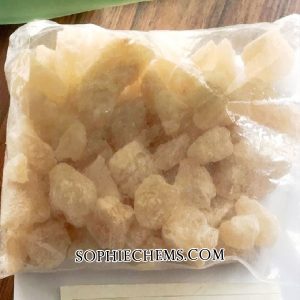


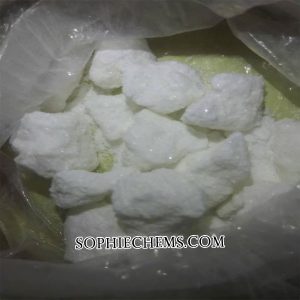

Tracy Lopez –
This website has an awesome product 4f adb with a lot of options, good explanations, very affordable rates, and on-time delivery! And I’m a big fan of this stuff.