


Heterocyclic Intermediates | Pharmaceutical & Fine Chemical Building Blocks
Heterocyclic intermediates represent one of the most important classes of compounds in modern organic chemistry, pharmaceutical research, and specialty chemical manufacturing. These compounds contain ring structures incorporating at least one heteroatom such as nitrogen, oxygen, or sulfur, which significantly influences their chemical properties and reactivity. Due to their structural diversity and functional versatility, heterocyclic intermediates serve as essential building blocks in the synthesis of pharmaceuticals, agrochemicals, biotechnology products, dyes, pigments, and advanced materials.
The importance of heterocyclic chemistry continues to grow as researchers develop new therapeutic molecules and innovative chemical technologies. A significant percentage of pharmaceutical active ingredients contain heterocyclic structures because these ring systems can enhance biological activity, improve molecular stability, and optimize chemical performance. As a result, demand for high-quality heterocyclic intermediates remains strong across global research and manufacturing industries.
Heterocyclic intermediates are widely used in pharmaceutical research and chemical manufacturing.
Learn more about our
Pharmaceutical Intermediates Suppliers Guide 🦮
Pharmaceutical Intermediates Suppliers Guide
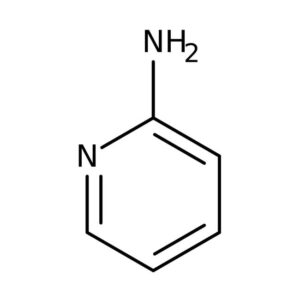
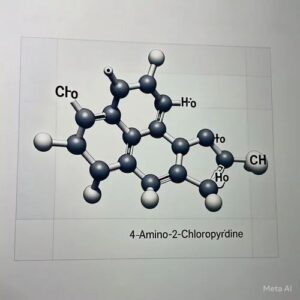
Heterocyclic compounds are classified according to the type and number of heteroatoms present within their ring structures. Nitrogen-containing heterocycles such as pyridines, pyrimidines, pyrazoles, imidazoles, indoles, quinolines, and triazoles are among the most commonly used intermediates in medicinal chemistry. Oxygen-containing heterocycles including furans and benzofurans contribute to numerous synthetic pathways, while sulfur-containing heterocycles such as thiophenes and thiazoles provide valuable properties for pharmaceutical and material science applications.
In pharmaceutical development, heterocyclic intermediates are critical for the discovery and production of new drug candidates. Researchers utilize these compounds as starting materials to construct increasingly complex molecular structures. The unique electronic and steric characteristics of heterocyclic rings enable chemists to modify biological activity and optimize interactions with specific molecular targets. Consequently, heterocyclic chemistry remains a cornerstone of modern drug discovery programs worldwide.
Explore our
2-chloropyridine Supplier Page
2-Chloropyridine Supplier Page
DMF Solvents page Guide
Organic synthesis laboratories rely heavily on heterocyclic intermediates because of their versatility and predictable reaction pathways. These compounds can undergo a wide range of chemical transformations, including substitution, oxidation, reduction, cyclization, and coupling reactions. Their adaptability allows chemists to design efficient synthetic routes for both research-scale and industrial-scale production.
Beyond pharmaceutical applications, heterocyclic intermediates play important roles in agrochemical research. Crop protection products frequently incorporate heterocyclic structures due to their effectiveness and favorable performance characteristics. Researchers continue exploring new heterocyclic frameworks to develop innovative agricultural solutions that support sustainable farming practices and improve crop yields.
The specialty chemicals sector also benefits from heterocyclic intermediates. These compounds are used in the manufacture of dyes, pigments, electronic materials, catalysts, polymers, and advanced coatings. Their unique chemical properties often contribute to enhanced product performance and expanded application possibilities.
Quality remains a critical consideration when sourcing heterocyclic intermediates. Research organizations and manufacturers require materials with consistent purity, accurate characterization, and reliable analytical documentation. Advanced quality control procedures commonly include Nuclear Magnetic Resonance (NMR) spectroscopy, High-Performance Liquid Chromatography (HPLC), Gas Chromatography (GC), Mass Spectrometry (MS), and other analytical techniques used to verify chemical identity and purity.
Advanced quality control procedures commonly include Nuclear Magnetic Resonance (NMR) spectroscopy.
NMR Spectroscopy Guide
Advanced quality control procedures commonly include NMR Spectroscopy Guide techniques for structural confirmation
Reliable heterocyclic intermediates support reproducible research outcomes and efficient manufacturing processes. Consistency between production batches is essential for maintaining quality standards and ensuring successful project execution. For this reason, professional suppliers implement strict quality management systems and comprehensive testing protocols throughout manufacturing and distribution processes.
Researchers continue exploring novel heterocyclic frameworks.
Chemical Knowledge Center
Researchers continue exploring novel heterocyclic frameworks. Visit our Chemical Knowledge Center for educational resources and technical articles.
Quality remains a critical consideration when sourcing heterocyclic intermediates. Various Chemical Analysis Methods help verify purity and structural identity.
Chemical Analysis Methods
The field of medicinal chemistry has greatly benefited from advances in heterocyclic chemistry. Many successful therapeutic agents contain heterocyclic cores that contribute to their pharmacological properties. Scientists continue investigating novel heterocyclic scaffolds to address unmet medical needs and improve treatment options for various diseases. These ongoing efforts reinforce the significance of heterocyclic intermediates in pharmaceutical innovation.
Nitrogen-containing heterocycles remain particularly important because nitrogen atoms can influence molecular polarity, hydrogen bonding capabilities, and biological interactions. Common examples include pyridine derivatives, imidazole compounds, triazole intermediates, and quinoline structures. These molecules frequently serve as key components in pharmaceutical research and development programs.
Oxygen-containing heterocycles provide additional opportunities for molecular design. Their distinct electronic characteristics allow chemists to fine-tune chemical properties and optimize synthetic strategies. Furans, benzofurans, and related compounds are widely utilized in both pharmaceutical and industrial applications.
Sulfur-containing heterocycles contribute unique functionality and reactivity patterns. Thiophene and thiazole derivatives are often incorporated into advanced materials, medicinal chemistry projects, and specialty chemical products. Their versatility makes them valuable intermediates across multiple research disciplines.
As chemical technologies continue evolving, demand for specialized heterocyclic intermediates is expected to increase. Emerging areas such as targeted therapeutics, biotechnology, advanced materials science, and sustainable chemistry rely heavily on innovative molecular building blocks. Heterocyclic intermediates provide the structural foundation necessary to support these advancements.
Researchers increasingly seek customized heterocyclic compounds tailored to specific project requirements. Custom synthesis capabilities enable the development of unique intermediates that may not be commercially available through standard catalogs. This flexibility supports innovation and accelerates scientific discovery across diverse industries.
Environmental considerations are also influencing modern heterocyclic chemistry. Sustainable manufacturing practices, greener synthetic methodologies, and improved process efficiencies are becoming priorities throughout the chemical industry. Future developments will likely focus on reducing environmental impact while maintaining high product quality and performance standards.
The global market for heterocyclic intermediates continues expanding due to ongoing investments in pharmaceutical research, biotechnology, and specialty chemicals. Companies require dependable access to high-quality intermediates to remain competitive and support innovation initiatives. Reliable sourcing partners play a crucial role in meeting these requirements and ensuring uninterrupted supply chains.
Choosing high-quality heterocyclic intermediates can significantly improve research efficiency and manufacturing success. Accurate analytical characterization, robust quality control procedures, and professional technical support contribute to better outcomes throughout the product development lifecycle. Researchers and manufacturers alike benefit from working with suppliers that prioritize quality, consistency, and customer satisfaction.
Heterocyclic intermediates remain indispensable to modern chemistry because they provide the building blocks necessary for creating complex and valuable molecules. Their applications span pharmaceutical development, medicinal chemistry, agrochemical innovation, organic synthesis, specialty chemicals, and advanced materials research. As scientific knowledge continues advancing, these versatile compounds will remain at the forefront of chemical innovation and technological progress.
Related Resources
Pharmaceutical Intermediates Suppliers
Pharmaceutical Intermediates Suppliers
Chemical Knowledge Center
NMR Spectroscopy Guide
Chemical Analysis Methods
Organic Synthesis Guide
Custom Chemical Synthesis Service
Heterocyclic Intermediates, Pharmaceutical Intermediates, Chemical Building Blocks, Organic Synthesis, Medicinal Chemistry, Pyridine Derivatives, Imidazole Compounds, Triazole Intermediates, Fine Chemicals, Research Chemicals, Specialty Chemicals, Drug Discovery, Chemical Manufacturing, Laboratory Chemicals, Advanced Organic Chemistry.
Showing all 3 results