Home
Shop
Wishlist0
SENIOR’S MEMBER  DISCOUNT DAYS! SAVE 25% EACH TUESDAY

Combating Illicit Drug Abuse Together

Drug abuse is a growing problem in the United States, with both prescription and illicit drugs contributing to the issue. In 2019, an estimated 9.7 million people aged 12 or older reported using illicit drugs in the past month, and 53.8 million people reported using prescription drugs for non-medical reasons in their lifetime.

To address this issue, the Rx and Illicit Drug Summit was created to bring together experts, policymakers, and community leaders to discuss strategies for combating drug abuse. In this article, we will explore the most abused illicit drug in the United States, the definition of an illicit drug, and how we can work together to combat drug abuse.

The Most Abused Illicit Drug in the United States is…

Opioids
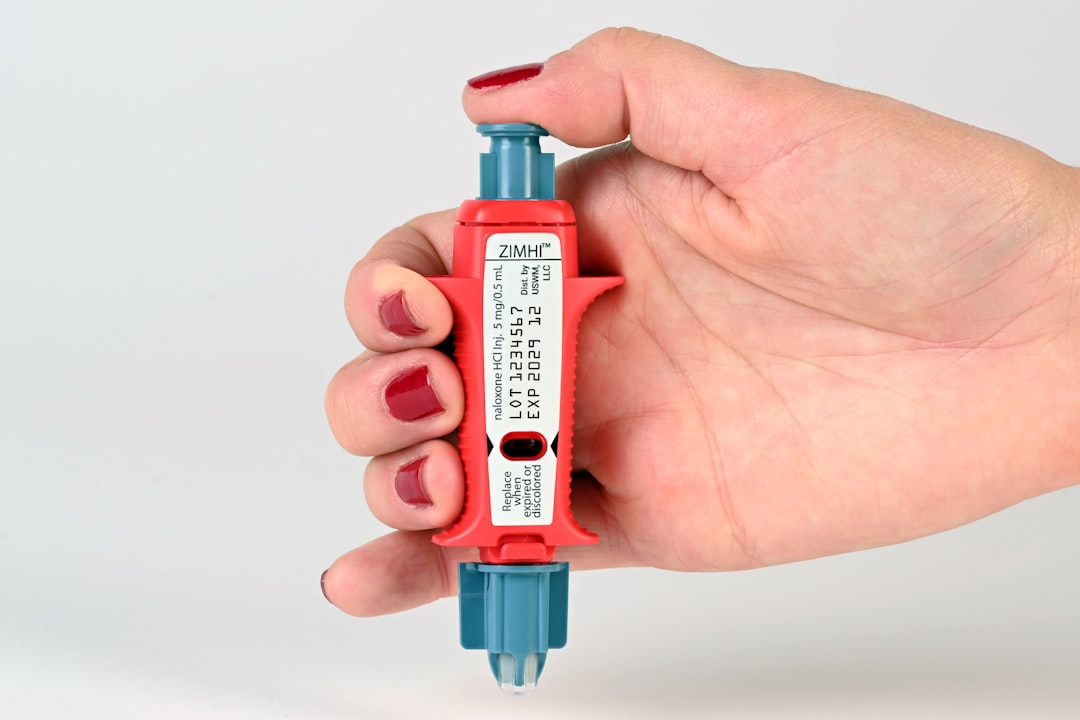
Opioids

by Pharmacy Images (https://unsplash.com/@pharmapix)

Opioids are the most abused illicit drug in the United States, with an estimated 10.1 million people aged 12 or older reporting misuse in the past year. Opioids are a class of drugs that include prescription pain relievers such as oxycodone, hydrocodone, and fentanyl, as well as illegal drugs like heroin.

The misuse of opioids can lead to addiction, overdose, and even death. In 2019, there were over 70,000 drug overdose deaths in the United States, with opioids being involved in 70% of those deaths.

Marijuana

Marijuana

by Nancy Gallardo (https://unsplash.com/@nancygallardo)

Marijuana is another commonly abused illicit drug in the United States, with an estimated 43.5 million people reporting use in their lifetime. While some states have legalized marijuana for medical or recreational use, it is still considered an illicit drug at the federal level.

Marijuana can have both short-term and long-term effects on the brain and body, including impaired memory and coordination, increased heart rate, and respiratory problems.

What is an Illicit Drug?

An illicit drug is a substance that is illegal to possess, use, or distribute. These drugs are often highly addictive and can have harmful effects on the body and mind. Some examples of illicit drugs include cocaine, methamphetamine, and LSD.

Illicit Drug Definition

The definition of an illicit drug can vary depending on the context. In general, an illicit drug is any substance that is illegal to possess, use, or distribute. This can include both illegal drugs and prescription drugs that are used for non-medical reasons.

Is Marijuana an Illicit Drug?

As mentioned earlier, marijuana is considered an illicit drug at the federal level, but some states have legalized its use for medical or recreational purposes. This can create confusion about its status as an illicit drug.

While some states have legalized marijuana, it is still illegal at the federal level. This means that possession, use, and distribution of marijuana is still considered a crime under federal law.

Illicit Drug Meaning

The meaning of an illicit drug goes beyond just its legal status. Illicit drugs can have a significant impact on individuals, families, and communities. They can lead to addiction, health problems, and even criminal activity.

Illicit drugs can also have a negative impact on society as a whole, with increased healthcare costs, lost productivity, and strain on law enforcement resources.

Illicit Drug Use Definition Quizlet

Quizlet is a popular online learning platform that offers flashcards, games, and study tools for a variety of subjects. While there is no specific “illicit drug use definition” on Quizlet, there are many flashcards and study sets available that cover the topic of drug abuse and addiction.

These resources can be helpful for students and individuals looking to learn more about illicit drugs and their effects.

Illicit Drug Use Definition

The definition of illicit drug use is the use of any substance that is illegal to possess, use, or distribute. This can include both illegal drugs and prescription drugs used for non-medical reasons.

Illicit drug use can have serious consequences, including addiction, health problems, and legal issues. It is important to address drug use and addiction through education, prevention, and treatment.

Illicit Drug Use ICD 10

ICD 10 is the 10th revision of the International Statistical Classification of Diseases and Related Health Problems. It is used by healthcare providers to classify and code diseases, injuries, and health conditions.

Illicit drug use is classified under the code F11 in the ICD 10, which covers “mental and behavioral disorders due to use of opioids.”

How Can We Combat Illicit Drug Abuse?

Combating illicit drug abuse requires a multi-faceted approach that involves education, prevention, and treatment. Here are some strategies that can help in the fight against drug abuse:

Education and Awareness

Drug education

by Robo Wunderkind (https://unsplash.com/@robowunderkind)

Education is key in preventing drug abuse. By educating individuals about the dangers of drug use and addiction, we can help them make informed decisions and avoid falling into the trap of drug abuse.

This education should start at a young age and continue throughout a person’s life. Schools, community organizations, and healthcare providers can all play a role in providing drug education and raising awareness about the dangers of drug abuse.

Prevention Programs

Prevention programs can help individuals avoid drug use and addiction. These programs can include drug education, as well as activities and initiatives that promote healthy behaviors and lifestyles.

Prevention programs can also target specific populations, such as at-risk youth or individuals with a family history of drug abuse, to help them avoid falling into the cycle of drug abuse.

Treatment and Support

For those who are already struggling with drug abuse and addiction, treatment and support are crucial. This can include therapy, medication-assisted treatment, and support groups.

It is important to provide access to affordable and effective treatment options for those who are ready to seek help. This can help individuals overcome their addiction and lead a healthier, drug-free life.

Real-World Examples of Combating Illicit Drug Abuse

The Rx and Illicit Drug Summit is a prime example of how communities can come together to combat drug abuse. This annual event brings together experts, policymakers, and community leaders to discuss strategies for addressing drug abuse and addiction.

Another example is the Partnership for Drug-Free Kids, a non-profit organization that works to prevent drug use and addiction among teens and young adults. They provide resources, support, and education for parents and families, as well as advocacy and community outreach.

Who is Responsible for Combating Illicit Drug Abuse?

Community leaders

by Alexis Brown (https://unsplash.com/@alexisrbrown)

Combating illicit drug abuse is a responsibility that falls on all of us. Community leaders, policymakers, healthcare providers, and individuals all have a role to play in addressing this issue.

Community leaders can work to create prevention programs and provide access to treatment options. Policymakers can enact laws and policies that support drug education and treatment. Healthcare providers can educate their patients about the dangers of drug abuse and provide resources for those struggling with addiction. And individuals can make informed decisions and support their loved ones in seeking help.

Takeaways

Illicit drug abuse is a growing problem in the United States, with opioids and marijuana being the most commonly abused drugs. By understanding the definition of an illicit drug and working together through education, prevention, and treatment, we can combat drug abuse and create healthier communities. Let’s continue to work together to address this issue and support those struggling with addiction.

Understanding the Impact of Illicit Drugs

Illicit drugs have been a major issue in society for decades, causing harm to individuals, families, and communities. Despite efforts to combat drug use, it continues to be a prevalent problem, with new drugs constantly emerging. In this article, we will explore the impact of illicit drugs and the steps being taken to address this ongoing issue.

What Are Illicit Drugs?

Illicit drugs, also known as illegal drugs, are substances that are prohibited by law. These drugs are often highly addictive and can have severe physical and psychological effects on users. They are typically produced and sold on the black market, making them difficult to regulate and control.

Some of the most commonly used illicit drugs include marijuana, cocaine, heroin, and methamphetamine. However, new synthetic drugs are constantly being created, making it challenging for law enforcement to keep up.

The Most Abused Illicit Drug in the United States

Illicit drug use

by Markus Spiske (https://unsplash.com/@markusspiske)

According to the National Survey on Drug Use and Health, marijuana is the most commonly used illicit drug in the United States. In 2019, approximately 43.5 million people aged 12 or older reported using marijuana in the past year.

Marijuana is a psychoactive drug derived from the cannabis plant and is typically smoked or ingested. It can produce feelings of relaxation and euphoria, but it can also have negative effects such as impaired memory and coordination.

The Opioid Epidemic

Another major issue in the United States is the opioid epidemic, which refers to the high rates of addiction and overdose deaths related to prescription and illicit opioids. In 2019, an estimated 10.1 million people aged 12 or older misused opioids in the past year.

Prescription opioids, such as oxycodone and hydrocodone, are often prescribed to manage pain but can be highly addictive. When individuals can no longer access prescription opioids, they may turn to illicit opioids such as heroin, which can have even more severe consequences.

The Impact of Illicit Drugs

The impact of illicit drugs is far-reaching and affects individuals, families, and communities in various ways.

Health Consequences

Illicit drugs can have severe physical and psychological effects on users. These drugs can damage vital organs, cause respiratory problems, and increase the risk of infectious diseases such as HIV and hepatitis. They can also lead to mental health issues such as depression, anxiety, and psychosis.

Social and Economic Consequences

The use of illicit drugs can also have significant social and economic consequences. Drug addiction can lead to job loss, financial struggles, and strained relationships with family and friends. It can also contribute to crime rates and put a strain on the criminal justice system.

Impact on Families and Communities

Drug addiction

by Thought Catalog (https://unsplash.com/@thoughtcatalog)

Drug addiction can have a devastating impact on families and communities. It can tear families apart, cause financial strain, and lead to child neglect and abuse. It can also contribute to community issues such as crime, violence, and homelessness.

Steps Being Taken to Address Illicit Drug Use

The fight against illicit drugs is ongoing, and various steps are being taken to address this issue.

Law Enforcement Efforts

Law enforcement plays a crucial role in combating the production and distribution of illicit drugs. Through drug busts and arrests, they aim to disrupt the supply chain and reduce the availability of these drugs on the black market.

Education and Prevention Programs

Education and prevention programs are essential in addressing illicit drug use. These programs aim to educate individuals, particularly young people, about the dangers of drug use and provide them with the skills to resist peer pressure and make healthy choices.

Treatment and Rehabilitation

For those struggling with drug addiction, treatment and rehabilitation programs are crucial. These programs provide individuals with the support and resources they need to overcome their addiction and lead a drug-free life.

The Rx and Illicit Drug Summit

Rx and illicit drug summit

by René Reichelt (https://unsplash.com/@rene_reichelt)

In 2019, the Rx and Illicit Drug Summit was held in Washington D.C. to address the opioid epidemic and other drug-related issues. The summit brought together experts, policymakers, and community leaders to discuss strategies for reducing drug use and improving access to treatment.

Conclusion

Illicit drugs continue to have a significant impact on individuals, families, and communities. The most commonly used illicit drug in the United States is marijuana, but the opioid epidemic remains a major concern. The fight against illicit drugs involves various efforts, including law enforcement, education, and treatment programs. By working together, we can continue to address this issue and help individuals overcome drug addiction.

The Role of Front Psychiatry

Front Psychiatry is a leading journal in the field of psychiatric care, providing a platform for the latest research and developments in the field. With the increasing prevalence of mental health issues, the role of front psychiatry has become more important than ever. In this article, we will explore the significance of front psychiatry and its impact on the field of psychiatric care.

What is Front Psychiatry?

Front Psychiatry is an open-access, peer-reviewed journal that publishes high-quality research articles, reviews, and commentaries in all areas of psychiatry. It covers a wide range of topics including diagnosis, treatment, and prevention of mental health disorders. The journal aims to provide a platform for researchers, clinicians, and other healthcare professionals to share their knowledge and expertise in the field of psychiatry.

The Importance of Front Psychiatry

Psychiatric care

by Andre Ouellet (https://unsplash.com/@ledoc)

Front Psychiatry plays a crucial role in advancing the field of psychiatric care. By publishing cutting-edge research and providing a platform for collaboration and discussion, the journal helps to improve the understanding and treatment of mental health disorders. It also serves as a valuable resource for healthcare professionals, providing them with the latest information and developments in the field.

Advancements in Psychiatric Care

One of the key roles of front psychiatry is to showcase the latest advancements in psychiatric care. With the rapid pace of technological advancements, there have been significant developments in the diagnosis and treatment of mental health disorders. Front Psychiatry plays a vital role in disseminating this information to the wider community, helping to improve the quality of care for patients.

Bridging the Gap between Research and Practice

Front Psychiatry serves as a bridge between research and practice in the field of psychiatry. By publishing research articles and reviews, the journal helps to translate scientific findings into practical applications for healthcare professionals. This is essential in ensuring that the latest research is being implemented in the treatment of mental health disorders, ultimately improving patient outcomes.

The Impact of Front Psychiatry on the Community

The impact of front psychiatry extends beyond the field of psychiatry itself. By promoting the latest research and advancements in the field, the journal helps to raise awareness and reduce the stigma surrounding mental health disorders. This is crucial in creating a more supportive and understanding community for those struggling with mental health issues.

Conclusion

Front Psychiatry plays a vital role in the field of psychiatric care, serving as a platform for the latest research and advancements in the field. By bridging the gap between research and practice, the journal helps to improve the understanding and treatment of mental health disorders. Its impact extends beyond the field of psychiatry, creating a more supportive and informed community. As the prevalence of mental health issues continues to rise, the role of front psychiatry will only become more significant in shaping the future of psychiatric care.

Have you read any articles from Front Psychiatry? Share your thoughts in the comments below.

The Role of Genetics in Clinical Implications

Genetics plays a crucial role in the development and progression of various diseases and disorders. In recent years, there has been a growing interest in understanding the role of genetics in clinical implications, particularly in the field of mental health. One gene that has been extensively studied in this regard is the brain-derived neurotrophic factor (BDNF). In this article, we will explore the role of genetics in clinical implications, with a focus on BDNF and its potential therapeutic implications.

Understanding Clinical Implications

Before delving into the role of genetics, it is important to understand what clinical implications are. Clinical implications refer to the practical applications of scientific research in the diagnosis, treatment, and prevention of diseases and disorders. In the field of genetics, clinical implications involve using genetic information to identify individuals at risk for certain conditions and developing targeted interventions to improve their health outcomes.

The Role of Genetics in Clinical Implications

Genetics and clinical implications

by Nappy (https://unsplash.com/@nappystudio)

Genetics plays a significant role in clinical implications, as it can provide valuable insights into the underlying causes of diseases and disorders. By studying the genetic makeup of individuals, researchers can identify genetic variations that may increase the risk of developing certain conditions. This information can then be used to develop personalized treatment plans and interventions.

Brain-Derived Neurotrophic Factor (BDNF)

BDNF is a protein that is involved in the growth and survival of neurons in the brain. It plays a crucial role in the development and function of the nervous system and has been linked to various mental health conditions, including depression, anxiety, and schizophrenia. Studies have shown that genetic variations in the BDNF gene can impact the production and function of this protein, leading to changes in brain structure and function.

BDNF and Its Clinical Implications

The link between BDNF and mental health has led to a growing interest in understanding its clinical implications. Research has shown that individuals with certain genetic variations in the BDNF gene may be more susceptible to developing mental health conditions. This information can be used to identify individuals at risk and develop targeted interventions to prevent or manage these conditions.

Therapeutic Interventions

Therapeutic interventions

by Felix Koutchinski (https://unsplash.com/@pheliks)

The role of genetics in clinical implications also extends to the development of therapeutic interventions. By understanding the genetic factors that contribute to the development of certain conditions, researchers can develop targeted treatments that are more effective and have fewer side effects. For example, individuals with certain genetic variations in the BDNF gene may benefit from specific medications or therapies that target this protein.

Conclusion

In conclusion, genetics plays a crucial role in clinical implications, particularly in the field of mental health. By studying genetic variations, researchers can gain valuable insights into the underlying causes of diseases and disorders, and develop targeted interventions to improve health outcomes. BDNF is one gene that has been extensively studied in this regard, and its clinical implications have the potential to revolutionize the treatment of mental health conditions. As research in this field continues to advance, we can expect to see more personalized and effective therapeutic interventions being developed.

The Role of Genetics in Clinical Implications

Genetics plays a crucial role in the development and progression of various diseases and disorders. In recent years, there has been a growing interest in understanding the role of genetics in clinical implications, particularly in the field of mental health. One gene that has been extensively studied in this regard is the brain-derived neurotrophic factor (BDNF). In this article, we will explore the role of genetics in clinical implications, with a focus on BDNF and its potential therapeutic implications.

Understanding Clinical Implications

Before delving into the role of genetics, it is important to understand what clinical implications are. Clinical implications refer to the practical applications of scientific research in the diagnosis, treatment, and prevention of diseases and disorders. In the field of genetics, clinical implications involve using genetic information to identify individuals at risk for certain conditions and developing targeted interventions to improve their health outcomes.

The Role of Genetics in Clinical Implications

Genetics and clinical implications

by Nappy (https://unsplash.com/@nappystudio)

Genetics plays a significant role in clinical implications, as it can provide valuable insights into the underlying causes of diseases and disorders. By studying the genetic makeup of individuals, researchers can identify genetic variations that may increase the risk of developing certain conditions. This information can then be used to develop personalized treatment plans and interventions.

Brain-Derived Neurotrophic Factor (BDNF)

BDNF is a protein that is involved in the growth and survival of neurons in the brain. It plays a crucial role in the development and function of the nervous system and has been linked to various mental health conditions, including depression, anxiety, and schizophrenia. Studies have shown that genetic variations in the BDNF gene can impact the production and function of this protein, leading to changes in brain structure and function.

BDNF and Its Clinical Implications

The link between BDNF and mental health has led to a growing interest in understanding its clinical implications. Research has shown that individuals with certain genetic variations in the BDNF gene may be more susceptible to developing mental health conditions. This information can be used to identify individuals at risk and develop targeted interventions to prevent or manage these conditions.

Therapeutic Interventions

Therapeutic interventions

by Felix Koutchinski (https://unsplash.com/@pheliks)

The role of genetics in clinical implications also extends to the development of therapeutic interventions. By understanding the genetic factors that contribute to the development of certain conditions, researchers can develop targeted treatments that are more effective and have fewer side effects. For example, individuals with certain genetic variations in the BDNF gene may benefit from specific medications or therapies that target this protein.

Conclusion

In conclusion, genetics plays a crucial role in clinical implications, particularly in the field of mental health. By studying genetic variations, researchers can gain valuable insights into the underlying causes of diseases and disorders, and develop targeted interventions to improve health outcomes. BDNF is one gene that has been extensively studied in this regard, and its clinical implications have the potential to revolutionize the treatment of mental health conditions. As research in this field continues to advance, we can expect to see more personalized and effective therapeutic interventions being developed.

Addressing the Clinical Implications of PTSD

Post-traumatic stress disorder (PTSD) is a mental health condition that can develop after experiencing or witnessing a traumatic event. It affects millions of people worldwide and can have a significant impact on an individual’s daily life. In this article, we will discuss the clinical implications of PTSD and the importance of addressing them.

Understanding PTSD

Before delving into the clinical implications of PTSD, it is essential to understand the disorder itself. PTSD is a psychiatric disorder that can develop after experiencing or witnessing a traumatic event such as a natural disaster, combat, or physical or sexual assault. Symptoms of PTSD can include flashbacks, nightmares, avoidance of triggers, and changes in mood and behavior. These symptoms can significantly impact an individual’s ability to function in their daily life and can lead to other mental health issues such as depression and anxiety.

Brain-Derived Neurotrophic Factor and Its Clinical Implications

Brain-derived neurotrophic factor

Recent research has shown that brain-derived neurotrophic factor (BDNF) may play a significant role in the development and treatment of PTSD. BDNF is a protein that helps support the growth and survival of neurons in the brain. Studies have found that individuals with PTSD have lower levels of BDNF, which may contribute to the development and maintenance of the disorder. Additionally, BDNF has been linked to the effectiveness of therapeutic interventions for PTSD. Therefore, addressing BDNF levels may have significant clinical implications for individuals with PTSD.

Therapeutic Interventions

Therapeutic interventions are essential for addressing the clinical implications of PTSD. These interventions can include psychotherapy, medication, and alternative treatments such as mindfulness and yoga. Psychotherapy, specifically cognitive-behavioral therapy (CBT), has been found to be effective in treating PTSD. CBT helps individuals identify and change negative thought patterns and behaviors related to their trauma. Medications, such as selective serotonin reuptake inhibitors (SSRIs), can also be used to manage symptoms of PTSD. Alternative treatments, such as mindfulness and yoga, have also shown promise in reducing symptoms of PTSD and improving overall well-being.

The Importance of Addressing Clinical Implications

It is crucial to address the clinical implications of PTSD for several reasons. First, untreated PTSD can lead to other mental health issues, such as depression and substance abuse. It can also significantly impact an individual’s relationships, work, and overall quality of life. Addressing the clinical implications of PTSD can help individuals manage their symptoms and improve their overall well-being. Additionally, by addressing BDNF levels and utilizing therapeutic interventions, individuals may be able to reduce their symptoms and improve their chances of recovery.

Conclusion

PTSD is a complex disorder with significant clinical implications. By understanding the disorder, addressing BDNF levels, and utilizing therapeutic interventions, individuals can manage their symptoms and improve their overall well-being. It is essential to seek help from a mental health professional if you or someone you know is experiencing symptoms of PTSD. With proper treatment and support, individuals can overcome the challenges of PTSD and lead fulfilling lives.

The Dangers of Illicit Drug Use

Illicit drug use is a growing problem in the United States, with millions of people using drugs for non-medical purposes. According to the National Survey on Drug Use and Health, an estimated 24.6 million Americans aged 12 or older used an illicit drug in the past month. This is a concerning trend, as illicit drug use can have serious consequences on an individual’s health, relationships, and overall well-being.

In this article, we will explore the dangers of illicit drug use and why it is important to address this issue.

What Are Illicit Drugs?

Definition and Examples

Illicit drugs, also known as illegal drugs, are substances that are prohibited by law and are used for non-medical purposes. These drugs are often highly addictive and can have severe physical and psychological effects on the user.

Some examples of illicit drugs include:

  • Cocaine
  • Heroin
  • Methamphetamine
  • LSD
  • Ecstasy
  • Marijuana (in states where it is not legalized)

How Are They Obtained?

Illicit drugs are obtained through illegal means, such as drug trafficking, drug dealers, or by stealing prescription drugs from others. They are often sold on the street and can be laced with other dangerous substances, making them even more harmful.

The Dangers of Illicit Drug Use

Physical Health Risks

Illicit drug

by Alessio Fiorentino (https://unsplash.com/@fioreale)

Illicit drugs can have serious physical health risks, including:

  • Overdose: Illicit drugs are often unregulated and can be laced with other substances, making it difficult to know the exact dosage. This can lead to accidental overdose, which can be fatal.
  • Heart problems: Stimulant drugs like cocaine and methamphetamine can cause heart problems, including heart attacks and irregular heartbeats.
  • Respiratory issues: Drugs like heroin and prescription opioids can slow down breathing and lead to respiratory failure.
  • Infectious diseases: Sharing needles while using drugs can increase the risk of contracting infectious diseases like HIV and hepatitis.

Mental Health Risks

Illicit drug use can also have severe mental health risks, including:

  • Addiction: Many illicit drugs are highly addictive, making it difficult for users to stop using them even when they want to.
  • Mood disorders: Drugs like cocaine and methamphetamine can cause changes in brain chemistry, leading to mood disorders like depression and anxiety.
  • Psychosis: Some drugs, like LSD and PCP, can cause hallucinations and delusions, leading to psychosis.
  • Cognitive impairment: Long-term drug use can lead to cognitive impairment, affecting memory, decision-making, and overall brain function.

Social and Relationship Risks

Illicit drug use can also have a significant impact on an individual’s social life and relationships. Some of the risks include:

  • Isolation: Drug use can lead to isolation as individuals may prioritize drug use over social activities and relationships.
  • Financial problems: Illicit drugs can be expensive, and individuals may resort to illegal activities to fund their drug use, leading to financial problems.
  • Strained relationships: Drug use can cause strain on relationships with family, friends, and romantic partners, as individuals may prioritize drug use over their relationships.

The Most Abused Illicit Drug in the United States

According to the 2019 National Survey on Drug Use and Health, the most commonly used illicit drug in the United States is marijuana, with an estimated 43.5 million people aged 12 or older reporting past-month use. This is followed by prescription pain relievers, with an estimated 9.7 million people reporting past-month use.

Addressing the Issue of Illicit Drug Use

The Role of Education and Prevention

Drug education

by Debby Hudson (https://unsplash.com/@hudsoncrafted)

Education and prevention are crucial in addressing the issue of illicit drug use. By educating individuals about the dangers of drug use and promoting healthy coping mechanisms, we can prevent drug use before it starts.

Schools, community organizations, and healthcare providers can play a significant role in educating individuals about the risks of drug use and promoting healthy behaviors.

Treatment and Recovery

For those struggling with drug addiction, treatment and recovery are essential. Treatment options may include therapy, medication-assisted treatment, and support groups. Recovery is a lifelong process, and individuals may need ongoing support to maintain their sobriety.

Law Enforcement and Policy Changes

Law enforcement and policy changes can also play a role in addressing illicit drug use. By cracking down on drug trafficking and implementing stricter laws and penalties for drug use, we can deter individuals from using drugs.

Additionally, policy changes that focus on harm reduction, such as needle exchange programs and access to naloxone, can help reduce the negative consequences of drug use.

The Rx and Illicit Drug Summit

The Rx and Illicit Drug Summit is an annual event that brings together experts, policymakers, and community leaders to discuss the issue of illicit drug use and develop strategies to address it.

The summit focuses on topics such as prevention, treatment, and law enforcement, and aims to create a collaborative approach to addressing the issue of illicit drug use.

Conclusion

Illicit drug use is a growing problem in the United States, with serious consequences for individuals and society as a whole. By educating individuals, promoting healthy behaviors, and implementing policy changes, we can work towards reducing the prevalence of illicit drug use and helping those struggling with addiction.

If you or someone you know is struggling with drug addiction, seek help from a healthcare professional or a local support group. Recovery is possible, and with the right support, individuals can overcome the dangers of illicit drug use and lead healthy, fulfilling lives.

The Rise of Illicit Drug Trafficking

Illicit drug trafficking has been a growing problem in the United States for decades. According to the National Institute on Drug Abuse, the most abused illicit drug in the United States is marijuana, followed by prescription drugs, cocaine, and methamphetamine. In recent years, there has been a significant increase in the production and distribution of these drugs, leading to a rise in drug-related crimes and overdoses.

In response to this growing issue, the United States government has taken steps to combat illicit drug trafficking, including hosting the annual Rx and Illicit Drug Summit. In this article, we will explore the rise of illicit drug trafficking and the efforts being made to address it.

The History of Illicit Drug Trafficking

The Early Years

Drug trafficking in the 1920s

by Natallia Photo (https://unsplash.com/@natallia_jpeg)

The illegal production and distribution of drugs have been a problem in the United States since the early 20th century. In the 1920s, alcohol prohibition led to the rise of organized crime and the illegal production and sale of alcohol. This was followed by the illegal production and distribution of other drugs, such as opium and cocaine.

The War on Drugs

In the 1970s, President Richard Nixon declared a “war on drugs” and implemented stricter drug laws and harsher penalties for drug-related offenses. This led to a significant increase in arrests and incarcerations for drug-related crimes.

However, despite these efforts, the production and distribution of illicit drugs continued to grow, particularly with the rise of international drug cartels and the introduction of new, more potent drugs such as crack cocaine and methamphetamine.

The Current State of Illicit Drug Trafficking

The Most Abused Illicit Drug in the United States

According to the National Institute on Drug Abuse, the most abused illicit drug in the United States is marijuana. In 2019, approximately 43.5 million Americans aged 12 or older reported using marijuana in the past year.

The Opioid Epidemic

Opioid epidemic

by Mick Haupt (https://unsplash.com/@rocinante_11)

In recent years, there has been a significant increase in the production and distribution of prescription opioids, leading to an opioid epidemic in the United States. Opioids, such as oxycodone and fentanyl, are highly addictive and have been responsible for a large number of overdose deaths.

In 2019, there were over 70,000 drug overdose deaths in the United States, with opioids being involved in over 70% of those deaths. This has led to a national public health crisis and a call for action to address the issue of illicit drug trafficking.

The Role of Technology

Technology has played a significant role in the rise of illicit drug trafficking. The internet has made it easier for drug dealers to connect with potential buyers and for drugs to be shipped and delivered discreetly. The dark web, a hidden part of the internet, has become a popular marketplace for the sale of illicit drugs.

Additionally, the production of synthetic drugs, such as fentanyl, has become more prevalent due to advancements in technology and chemistry. These drugs are often more potent and dangerous than traditional drugs, leading to an increase in overdoses and deaths.

Efforts to Combat Illicit Drug Trafficking

The Rx and Illicit Drug Summit

Illicit Drug Summit

by Markus Spiske (https://unsplash.com/@markusspiske)

In response to the growing issue of illicit drug trafficking, the United States government hosts an annual Rx and Illicit Drug Summit. This summit brings together government officials, law enforcement, healthcare professionals, and community leaders to discuss strategies for addressing the issue.

The summit focuses on topics such as prevention, treatment, and law enforcement efforts. It also provides a platform for sharing best practices and discussing new technologies and techniques for combating illicit drug trafficking.

Law Enforcement Efforts

Law enforcement agencies at the local, state, and federal levels have been working to combat illicit drug trafficking. This includes targeting drug cartels and organizations, as well as intercepting and seizing shipments of drugs.

In addition, law enforcement has been cracking down on the illegal production and distribution of prescription drugs, particularly opioids. This has led to a decrease in the number of opioid prescriptions being written and a decrease in opioid-related deaths in some areas.

Education and Prevention

Illicit Drug Trafficking

by Unseen Studio (https://unsplash.com/@uns__nstudio)

Education and prevention efforts are also crucial in combatting illicit drug trafficking. This includes educating the public about the dangers of drug use and providing resources for those struggling with addiction.

Schools and community organizations also play a vital role in prevention by providing drug education programs and promoting healthy lifestyles. By educating individuals about the risks and consequences of drug use, we can help prevent the spread of illicit drugs.

The Future of Illicit Drug Trafficking

While efforts are being made to combat illicit drug trafficking, it remains a significant issue in the United States. As technology continues to advance, it is likely that we will see new challenges in the fight against drug trafficking.

However, with continued collaboration and efforts from government agencies, law enforcement, and community organizations, we can work towards reducing the production and distribution of illicit drugs and preventing drug-related crimes and deaths.

Conclusion

Illicit drug trafficking has been a growing problem in the United States for decades, with the most abused illicit drug being marijuana. The rise of technology has made it easier for drugs to be produced, distributed, and sold, leading to an increase in drug-related crimes and overdoses.

Efforts to combat illicit drug trafficking include the annual Rx and Illicit Drug Summit, law enforcement efforts, and education and prevention programs. By working together, we can continue to make progress in addressing this issue and creating a safer and healthier society.

The Importance of Having a Broad Range

Having a broad range is essential in many aspects of life, from scientific research to business strategies. But what exactly does it mean to have a broad range, and why is it important? In this article, we will explore the concept of a broad range and its significance in various fields.

What is a Broad Range?

A broad range refers to a wide or diverse scope or extent. It can be applied to a variety of contexts, such as a broad range of products, a broad range of skills, or a broad range of experiences. In general, having a broad range means having a wide range of options or possibilities.

The Importance of a Broad Range in Scientific Research

Scientific research

by National Cancer Institute (https://unsplash.com/@nci)

In scientific research, having a broad range is crucial for obtaining accurate and reliable results. This is especially true in fields such as biology, chemistry, and physics, where experiments and observations must be conducted under controlled conditions.

For example, in protein analysis, a broad range is necessary to accurately determine the size and quantity of proteins. The Spectra Multicolor Broad Range Protein Ladder is a commonly used tool in protein analysis, as it contains a wide range of protein sizes and can be easily visualized using different detection methods. This allows researchers to accurately determine the size of their protein of interest and compare it to other proteins in the sample.

Similarly, in DNA analysis, a broad range is necessary to accurately measure the concentration of DNA samples. The Qubit Broad Range DNA Assay Kit is a popular tool for this purpose, as it can accurately measure DNA concentrations ranging from 2 ng/μL to 1000 ng/μL. This allows researchers to accurately quantify their DNA samples and ensure the accuracy of their experiments.

The Importance of a Broad Range in Business Strategies

Business strategies

by Unseen Studio (https://unsplash.com/@uns__nstudio)

In the business world, having a broad range is crucial for success. This is especially true in marketing and sales, where having a diverse range of products or services can attract a wider customer base.

For example, the Eskimo Pie Corporation markets a broad range of frozen treats, including ice cream bars, ice cream sandwiches, and frozen yogurt. This allows them to appeal to a wider range of customers with different preferences and dietary restrictions. By offering a broad range of products, they can increase their customer base and ultimately, their profits.

Similarly, having a broad range of skills and experiences can also be beneficial in the business world. This allows individuals to adapt to different situations and take on various roles within a company. It also makes them more valuable to potential employers, as they can bring a diverse range of perspectives and ideas to the table.

The Importance of a Broad Range in Understanding the World

Understanding the world

by Bruno Barreto (https://unsplash.com/@brunobarreto)

Having a broad range is also crucial in understanding the world around us. This includes having a broad range of knowledge and perspectives, as well as being open to new ideas and experiences.

A well-tested explanation that unifies a broad range of observations is often considered a scientific theory. These theories are derived from a broad and diverse range of sources, including experiments, observations, and data analysis. By considering a broad range of evidence, scientists can develop theories that accurately explain natural phenomena and make predictions about future observations.

Similarly, having a broad range of knowledge and perspectives can help individuals better understand and navigate the world. By learning about different cultures, beliefs, and experiences, we can gain a broader understanding of the world and the people in it. This can lead to more empathy, tolerance, and acceptance of others.

The Importance of a Broad Range in Personal Growth

Personal growth

by Joshua Sortino (https://unsplash.com/@sortino)

Having a broad range is also important for personal growth and development. By exposing ourselves to new experiences, challenges, and perspectives, we can expand our knowledge and skills and become more well-rounded individuals.

For example, learning a new language or traveling to a different country can broaden our understanding of different cultures and ways of life. Taking on new challenges, such as learning a new skill or taking on a leadership role, can also help us grow and develop as individuals.

The Importance of a Broad Range in Decision Making

Decision making

by Thom Holmes (https://unsplash.com/@thomholmes)

Having a broad range is also crucial in decision making. By considering a wide range of options and perspectives, we can make more informed and well-rounded decisions.

For example, when making a major purchase, such as a car or a house, it is important to consider a broad range of factors, such as price, location, and features. By considering a broad range of options, we can make a decision that best fits our needs and preferences.

Similarly, in a business setting, considering a broad range of perspectives and ideas can lead to more innovative and effective solutions. By bringing together a diverse group of individuals with different backgrounds and experiences, companies can make more well-rounded and informed decisions.

How to Develop a Broad Range

Developing a broad range takes time and effort, but it is a valuable skill to have in various aspects of life. Here are some tips for developing a broad range:

Be Open to New Experiences

Having a Broad Range

by David Marcu (https://unsplash.com/@davidmarcu)

One of the best ways to develop a broad range is to be open to new experiences. This can include trying new foods, traveling to new places, or learning new skills. By exposing ourselves to new experiences, we can expand our knowledge and understanding of the world.

Seek Out Diverse Perspectives

It is also important to seek out diverse perspectives and opinions. This can include engaging in discussions with people from different backgrounds, reading books or articles from different viewpoints, or attending events or workshops that expose you to new ideas.

Continuously Learn and Grow

Continuous learning

by Kyle Glenn (https://unsplash.com/@kylejglenn)

Continuously learning and growing is essential for developing a broad range. This can include taking courses, attending workshops or conferences, or reading books and articles on a variety of topics. By continuously learning, we can expand our knowledge and skills and become more well-rounded individuals.

Step Out of Your Comfort Zone

Stepping out of your comfort zone can be scary, but it is necessary for personal growth and development. This can include taking on new challenges, trying new things, or taking on leadership roles. By stepping out of your comfort zone, we can expand our skills and experiences and become more adaptable and resilient individuals.

Conclusion

Having a broad range is essential in various aspects of life, from scientific research to personal growth. By having a wide scope of knowledge, skills, and experiences, we can better understand the world around us, make more informed decisions, and continuously grow and develop as individuals. So, embrace new experiences, seek out diverse perspectives, and continuously learn and grow to develop a broad range and achieve success in all aspects of life.

“Emerging Legal Highs in 2024: Synthetic Trends

These substances, also known as research chemicals, are often sold online and in head shops, making them easily accessible to the public. As we look towards the future, it is important to understand the emerging trends in synthetic legal highs and their potential impact on society.

The Rise of Novel Psychoactive Substances (NPS)

Synthetic drugsby Pretty Drugthings (https://unsplash.com/@prettydrugthings)

One of the biggest trends in synthetic legal highs is the rise of novel psychoactive substances (NPS). These are substances that are designed to mimic the effects of illegal drugs, but with slight chemical modifications to avoid being classified as illegal. NPS are often marketed as “legal highs” and are sold under various names such as “bath salts” or “plant food.” These substances can have unpredictable and dangerous effects on the user, as they have not been thoroughly tested or regulated.

Increased Availability and Accessibility

With the rise of online marketplaces and the dark web, synthetic legal highs have become more readily available and accessible to the public. These substances are often sold under the guise of “research chemicals” and can be easily purchased with just a few clicks. This makes it difficult for authorities to regulate and control the distribution of these substances, leading to potential health risks for users.If Looking for legal High in 2024 https://sophiechems.com/ is the best online shop to visit. Bet all your solutions for pain XR /RX Medications.

Constantly Evolving Formulas

One of the challenges in regulating synthetic legal highs is the constantly evolving formulas used to create these substances. As soon as one substance is banned, manufacturers can easily tweak the chemical structure to create a new substance that is not yet illegal. This makes it difficult for authorities to keep up with the ever-changing landscape of synthetic drugs.

The Dangers of Unregulated Substances

Research chemicalsby National Cancer Institute (https://unsplash.com/@nci)

The lack of regulation and testing of synthetic legal highs poses a significant danger to users. These substances have not been thoroughly studied and their effects on the human body are largely unknown. This can lead to serious health consequences, including overdose and long-term health issues. In addition, the lack of quality control in the production of these substances can result in impure and potentially harmful products being sold to unsuspecting users.

The Need for Education and Awareness

As the use of synthetic legal highs continues to rise, it is important for individuals to educate themselves on the potential risks and dangers associated with these substances. This includes understanding the signs of use and addiction, as well as knowing where to seek help and support. It is also crucial for parents and educators to have open and honest conversations with young people about the dangers of synthetic drugs.

The Role of Legislation

In order to combat the growing use of synthetic legal highs, it is important for governments to enact legislation that effectively regulates these substances. This includes banning known harmful substances and implementing stricter regulations on the production and distribution of these drugs. It is also important for authorities to work closely with the scientific community to stay informed on emerging trends and developments in the world of synthetic drugs.

As we look towards the future, it is clear that synthetic legal highs will continue to be a pressing issue. By understanding the emerging trends and potential dangers associated with these substances, we can work towards creating a safer and more informed society.

Back to Top
Product has been added to your cart

Customer Reviews

SOPHIE CHEMS

Customer Testimonials

Lolo 02-07-2023

Trustpilot
I've ordered several times from SophieChems and have always had excellent service, with items arriving promptly and in good condition.

Jennifer 07-06-2023

Google
I gave them five stars because they are speedy and exact with returns. They offer high-quality products at reasonable costs, and their delivery is both quick and reliable.

Patrice Martin-Carroll 26-05-2023

Google
Good site with easy payment choices, excellent assistance, and excellent staff. Because reputable suppliers are hard to come by, a greater product selection would be beneficial.

MichelleE 04-05-2023

Trustpilot
I've been a long-time user of this site, and while things have changed recently, I've found that patience has paid off.
Not only did I receive my purchase, but he also sent me an older order. They have communicated with me and have proven to me that I can trust him because they are simply overworked. Thank you for being such a terrific company, SophieChems!

S K HOWARD 17-04-2023

Trustpilot
I discovered this organization through a Google search and am quite pleased with my decision. The builders' buckets arrived immediately and at a reasonable price. These are also made in the EU and are of good quality, far superior to anything available from a large DIY retailer.

Enriq Orti 29-03-2023

Google
SophieChems is one of the top internet stores in my opinion. I have faith in Research Chemicals and would like to get cannabinoids from this store because it is convenient for me.

Heidi Hurst 08-03-2023

Google
Great, honest, and dependable research firm that has proven to be 100 percent dependable and of good value in the past. I strongly advise anyone to visit the Sophie store and place an order as soon as possible!

Ha Nguyen 15-02-2023

Google
SophieChems has the best customer service; this was my first time ordering from them, and the experience was fantastic... I got bromazolam powder online, and it arrived in the United States on time (in 13 days). My plants yielded the expected outcomes. Thank you for the discount as well, guys; keep up the fantastic work.

Buzz Lightyear 27-01-2023

Google
SophieChems has a fantastic webpage. This is my second order from them, and they have always delivered high-quality things on time. I'm confident I'll be a repeat buyer!

Danielle 01-01-2023

Trustpilot
The website is simple to navigate. Customer service that is both excellent and responsive. I would recommend it to anyone searching for the greatest chems online. Shipping can take a while, but that's to be anticipated.