


2-Chloropyridine Supplier | CAS 109-09-1 Pharmaceutical Intermediate
2-Chloropyridine Supplier, 2-Chloropyridine is an important heterocyclic organic compound belonging to the pyridine derivative family. Characterized by a chlorine substituent attached to the second position of a pyridine ring, this compound has become a valuable intermediate in chemical synthesis and pharmaceutical research.
The presence of both a nitrogen atom within the aromatic ring and a reactive chlorine functional group gives 2-Chloropyridine unique synthetic utility. Researchers and chemical manufacturers frequently utilize this compound as a starting material for the development of more complex molecules and specialized chemical structures.
As interest in heterocyclic chemistry continues to expand, pyridine derivatives remain among the most widely investigated classes of compounds due to their versatility and significance in modern chemical science.2-Chloropyridine Supplier
“2-Chloropyridine is an important member of Pyridine Derivatives used as a Pharmaceutical Intermediate.
pharmaceutical intermediates page
heterocyclic-intermediates
Chemical Information-2-Chloropyridine Supplier
Product Name: 2-Chloropyridine
CAS Number: 109-09-1
Molecular Formula: C5H4ClN
Molecular Weight: 113.54 g/mol
Chemical Family: Pyridine Derivatives
Category: Pharmaceutical Intermediate
Subcategory: Heterocyclic Intermediates
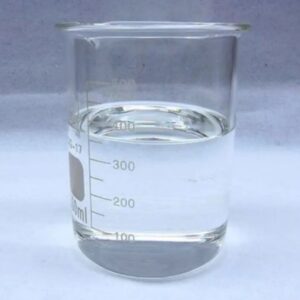
Appearance: Colorless to pale yellow liquid
Structure Type: Aromatic Nitrogen Heterocycle
Understanding Pyridine Derivatives
Pyridine derivatives represent one of the most important categories of heterocyclic compounds in modern chemistry. Pyridine itself consists of a six-membered aromatic ring containing one nitrogen atom.
This seemingly simple modification compared with benzene significantly changes the chemical behavior of the molecule and creates opportunities for advanced synthesis.
Compounds such as 2-Chloropyridine are especially useful because they combine:
Aromatic stability
Nitrogen functionality
Reactive substitution sites
Broad synthetic compatibility
These characteristics contribute to the widespread interest in pyridine-based intermediates throughout the chemical industry.
→ /what-are-pharmaceutical-intermediates
what-are-pharmaceutical-intermediates/
Chemical Analysis Methods Guide
Heterocyclic Compounds 🦮
Chemical Structure and Properties
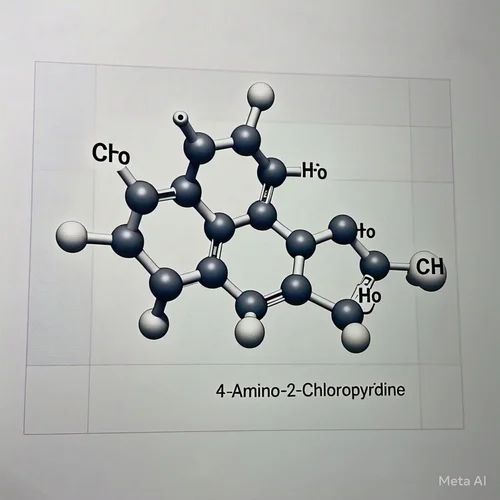
The structure of 2-Chloropyridine contains:
One aromatic pyridine ring
One ring nitrogen atom
One chlorine substituent at the 2-position
This arrangement creates a compound with significant synthetic flexibility.
Key Structural Features
Aromatic Character
The aromatic nature of the pyridine ring provides stability and predictable reactivity patterns.
Nitrogen Functionality
The ring nitrogen contributes unique electronic properties that distinguish pyridine compounds from simple aromatic hydrocarbons.
Chlorine Reactivity
The chlorine atom acts as an important functional group that enables further chemical transformations.
Importance in Heterocyclic Chemistry
Heterocyclic compounds play a central role in chemical research.
A heterocycle is any ring system containing at least one atom other than carbon within the ring structure.
Nitrogen-containing heterocycles such as pyridine are particularly significant because they appear throughout numerous areas of chemistry. 2-Chloropyridine Supplier
Advantages of heterocyclic intermediates include:
Structural diversity
Synthetic flexibility
Functional group compatibility
Broad research applications
2-Chloropyridine serves as an excellent example of a practical heterocyclic building block.
Applications of 2-Chloropyridine
Pharmaceutical Intermediate Research
One of the most important uses of 2-Chloropyridine is as a pharmaceutical intermediate.
Researchers often require versatile starting materials when developing complex molecular structures. Pyridine derivatives provide valuable functionality that can be incorporated into larger compounds through various synthetic approaches.
The compound is frequently investigated during:
Medicinal chemistry studies
Intermediate synthesis projects
Laboratory research
Chemical development programs
Organic Synthesis
2-Chloropyridine is widely used in organic chemistry because the chlorine substituent can participate in further transformations.
Researchers employ this intermediate when preparing:
Functionalized pyridines
Nitrogen-containing aromatic compounds
Advanced heterocyclic structures
Specialty research molecules
Fine Chemical Development
Fine chemical manufacturing often relies upon specialized intermediates capable of supporting efficient synthetic pathways. 2-Chloropyridine Supplier
The unique characteristics of 2-Chloropyridine make it a useful component in advanced chemical research projects involving aromatic heterocycles.
Heterocyclic Intermediates
Chemical Analysis Guide
Role as a Chemical Building Block
A building block is a compound used to create more complex molecular structures.
2-Chloropyridine functions as an effective building block because:
It contains a reactive substitution site.
It possesses an aromatic heterocyclic framework.
It offers synthetic versatility.
It supports multiple chemical transformation pathways.
For this reason, it remains an important compound within pyridine chemistry.
Explore our
Heterocyclic Intermediates category
Heterocyclic Intermediates category
for reliable chemical building blocks, pharmaceutical intermediates, and advanced compounds used in modern chemical research and synthesis.
Explore Heterocyclic Intermediates
View Heterocyclic Intermediates
Browse Chemical Intermediates
Analytical Characterization of 2-Chloropyridine
Reliable characterization is essential for confirming chemical identity and quality.
Several analytical methods may be employed.
Nuclear Magnetic Resonance (NMR)
NMR spectroscopy is commonly used to verify structural identity.
Applications include:
Proton analysis
Carbon analysis
Structural confirmation
High Performance Liquid Chromatography (HPLC)
HPLC is frequently used for:
Purity determination
Quality assessment
Compound analysis
Gas Chromatography (GC)
Gas chromatography may be used for:
Composition analysis
Purity testing
Sample evaluation
Mass Spectrometry (MS)
Mass spectrometry provides:
Molecular weight confirmation
Identity verification
Analytical characterization
Storage and Handling
Proper storage is important for maintaining product quality.
General recommendations include:
Store in appropriate chemical containers.
Keep tightly closed.
Protect from contamination.
Follow laboratory handling procedures.
Use proper safety equipment when handling chemicals.
Always follow applicable regulations and safety documentation.
Advantages of Pyridine-Based Intermediates
Pyridine compounds continue to attract attention because they offer several benefits:
Aromatic Stability
The aromatic ring contributes to predictable behavior during synthesis.
Functional Diversity
Pyridine compounds can support numerous chemical modifications.
Research Utility
These compounds are widely used throughout organic and heterocyclic chemistry.
Synthetic Flexibility
Pyridine intermediates can participate in many transformation pathways.
Related Products
Researchers interested in 2-Chloropyridine may also explore:
Related Pyridine Derivatives
3-Chloropyridine
4-Chloropyridine
2-Bromopyridine
3-Bromopyridine
4-Bromopyridine
2-Aminopyridine
3-Aminopyridine
4-Aminopyridine
2,6-Dichloropyridine
5-Bromo-2-methoxypyridine
Related Categories
Pyridine Derivatives
Heterocyclic Intermediates
Pharmaceutical Intermediates
Chemical Analysis Guides
Frequently Asked Questions
What is 2-Chloropyridine?
2-Chloropyridine is a chlorinated pyridine derivative used as a heterocyclic intermediate in chemical research and synthesis.
What is the CAS Number of 2-Chloropyridine?
The CAS Number is 109-09-1.
What category does 2-Chloropyridine belong to?
It belongs to the categories:
Pyridine Derivatives
Heterocyclic Intermediates
Pharmaceutical Intermediates
Why are pyridine derivatives important?
Pyridine derivatives provide versatile aromatic nitrogen-containing structures useful in modern chemistry.
What analytical methods are used for identification?
Common methods include:
NMR
HPLC
Mass Spectrometry
What are heterocyclic intermediates?
Heterocyclic intermediates are compounds containing ring structures with atoms such as nitrogen, oxygen, or sulfur incorporated into the ring system.
Conclusion
2-Chloropyridine (CAS 109-09-1) is a valuable pyridine derivative and pharmaceutical intermediate widely used in heterocyclic chemistry, organic synthesis, and chemical research.
Its combination of aromatic stability, nitrogen functionality, and reactive chlorine substitution makes it an important building block for advanced synthetic applications. As demand for pyridine-based intermediates continues to grow, 2-Chloropyridine remains an essential compound for researchers exploring modern chemical development pathways.
2-Chloropyridine Supplier, 2-Chloropyridine, CAS 109-09-1, 2-Chloropyridine Manufacturer, Pyridine Derivatives, Pyridine Intermediate, Heterocyclic Intermediates, Pharmaceutical Intermediates, API Intermediates, Nitrogen Heterocyclic Compounds, Chemical Building Blocks, Organic Synthesis Intermediates, Fine Chemical Intermediates, Chemical Research Materials, Specialty Chemicals, Laboratory Chemicals, Advanced Chemical Compounds, Pyridine Compounds, Heterocyclic Building Blocks, Chemical Synthesis Materials, Industrial Chemicals, Research Reagents, Chemical Manufacturing, Organic Chemistry Reagents, Pharmaceutical Research Chemicals, Chemical Analysis, Organic Chemistry, Research Materials, Chemical Supplier, Heterocyclic Chemistry, Pyridine Chemistry, Chemical Industry, Bulk Chemical Supplier, Fine Chemicals, Chemical Development, Research Laboratory Chemicals, Pharmaceutical Building Blocks, CAS 109-09-1 Supplier, Chemical Intermediates, Advanced Synthesis Materials